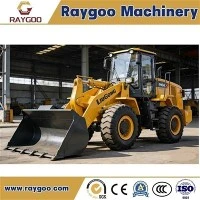
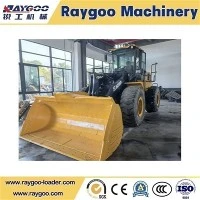
As a proud supplier of XCMG wheel loaders, I've witnessed firsthand the remarkable engineering that goes into these powerful machines. One of the most critical components of any wheel loader is its transmission system, which plays a pivotal role in transferring power from the engine to the wheels, enabling the loader to perform its various tasks efficiently. In this blog post, I'll delve into the inner workings of the XCMG wheel loader transmission system, exploring its key components, how they interact, and the benefits they offer.
Key Components of the XCMG Wheel Loader Transmission System
Torque Converter
The torque converter is the first major component in the transmission system. It acts as a fluid coupling between the engine and the transmission, allowing the engine to run independently of the wheels when the loader is stationary. This is particularly useful in situations where the loader needs to come to a stop quickly, such as when approaching a pile of materials.
The torque converter consists of three main components: the impeller, the turbine, and the stator. The impeller is connected to the engine and spins with it, creating a flow of fluid. The turbine is connected to the transmission input shaft and is driven by the fluid flow from the impeller. The stator is located between the impeller and the turbine and helps to redirect the fluid flow, increasing the torque output.
When the engine is running, the impeller spins, forcing fluid into the turbine. As the turbine begins to rotate, it transfers power to the transmission, which in turn drives the wheels. The torque converter also provides a certain amount of torque multiplication, allowing the loader to start moving from a standstill more easily.
Transmission
The transmission is responsible for changing the gear ratio between the engine and the wheels, allowing the loader to operate at different speeds and under different load conditions. XCMG wheel loaders typically use a powershift transmission, which uses a series of hydraulic clutches to engage and disengage the gears.


The powershift transmission offers several advantages over traditional manual transmissions. It provides smooth and efficient gear changes, reducing operator fatigue and improving productivity. It also allows for quick and easy shifting between forward and reverse gears, making it ideal for applications where the loader needs to move in and out of tight spaces.
The transmission is controlled by a hydraulic system, which uses pressurized fluid to engage and disengage the clutches. The operator can select the desired gear using a gear selector lever located in the cab. The transmission also has a built-in torque limiter, which helps to protect the transmission from damage in the event of an overload.
Drive Shafts
The drive shafts are responsible for transmitting power from the transmission to the wheels. They are typically made of high-strength steel and are designed to withstand the high torque and stress generated by the loader. The drive shafts are connected to the transmission output shaft and the wheel hubs using universal joints, which allow for flexibility and movement as the loader moves over uneven terrain.
Axles
The axles are the final component in the transmission system, and they are responsible for supporting the weight of the loader and transmitting power to the wheels. XCMG wheel loaders typically use a tandem axle configuration, which consists of two axles located close together. This configuration provides better traction and stability, especially when the loader is carrying heavy loads.
The axles are equipped with differential gears, which allow the wheels on each axle to rotate at different speeds. This is necessary when the loader is turning, as the outer wheels need to travel a greater distance than the inner wheels. The differential gears also help to distribute the power evenly between the wheels, improving traction and reducing tire wear.
How the Components Interact
The components of the XCMG wheel loader transmission system work together in a coordinated manner to transfer power from the engine to the wheels. When the operator starts the engine, the torque converter begins to spin, creating a flow of fluid that drives the turbine. The turbine transfers power to the transmission input shaft, which in turn drives the transmission.
The operator can select the desired gear using the gear selector lever, and the hydraulic system engages the appropriate clutch to shift the transmission into the selected gear. The transmission then transfers power to the drive shafts, which transmit the power to the axles. The axles transfer the power to the wheels, causing the loader to move.
As the loader moves, the differential gears on the axles allow the wheels to rotate at different speeds, depending on the turning radius of the loader. This ensures that the loader can turn smoothly and efficiently without causing excessive tire wear.
Benefits of the XCMG Wheel Loader Transmission System
Efficiency
The XCMG wheel loader transmission system is designed to be highly efficient, minimizing power loss and maximizing fuel economy. The torque converter provides a smooth and efficient transfer of power from the engine to the transmission, while the powershift transmission allows for quick and easy gear changes, reducing the amount of time the engine spends operating at low efficiency.
Durability
The components of the XCMG wheel loader transmission system are built to last, with high-quality materials and precision manufacturing. The torque converter, transmission, drive shafts, and axles are all designed to withstand the harsh operating conditions of a wheel loader, ensuring reliable performance and long service life.
Operator Comfort
The XCMG wheel loader transmission system is designed to provide a comfortable and easy-to-use experience for the operator. The powershift transmission offers smooth and efficient gear changes, reducing operator fatigue and improving productivity. The hydraulic system also provides precise control over the transmission, allowing the operator to select the desired gear with ease.
Versatility
The XCMG wheel loader transmission system is highly versatile, allowing the loader to operate in a wide range of applications and environments. The powershift transmission provides multiple gear ratios, allowing the loader to operate at different speeds and under different load conditions. The tandem axle configuration provides better traction and stability, making the loader suitable for use on rough terrain and in challenging conditions.
Conclusion
The transmission system is a critical component of any XCMG wheel loader, and it plays a pivotal role in the machine's performance and efficiency. By understanding how the transmission system works and the benefits it offers, you can make an informed decision when choosing a wheel loader for your application.
If you're interested in learning more about XCMG wheel loaders or are considering purchasing one for your business, I encourage you to explore our range of models, including the Wheel Loader XCMG LW500KV, ZL50CN Wheel Loader, The Used Wheel Loader LW500HV in Good Conditon, Used Wheel Loader ZL50GV, and XCMG LW500FV. Our team of experts is always available to answer your questions and help you find the perfect loader for your needs. Contact us today to start the purchasing and negotiation process!
References
- XCMG official product manuals
- Industry research on wheel loader transmission systems