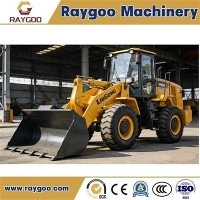
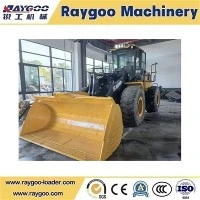
As a supplier of medium wheel loaders, ensuring the proper functioning of every component is crucial. Among these components, hoses and fittings play a vital role in the overall performance and safety of the loader. In this blog, I'll share some professional insights on how to check the hoses and fittings of a medium wheel loader.
1. Understanding the Importance of Hoses and Fittings
Hoses in a medium wheel loader are responsible for transporting hydraulic fluid, which powers various functions such as lifting, tilting, and steering. Fittings, on the other hand, connect these hoses to different parts of the loader, ensuring a secure and leak - free connection. Any issues with hoses or fittings can lead to reduced performance, hydraulic leaks, and even safety hazards.
2. Pre - inspection Preparations
Before starting the inspection, it's essential to take some safety precautions. First, park the medium wheel loader on a flat and stable surface, engage the parking brake, and turn off the engine. Let the loader cool down for a while, especially if it has been in operation recently, to avoid burns from hot components.
Gather the necessary tools for the inspection, such as a flashlight, a pressure gauge (if available), and a pair of gloves. A flashlight will help you see into dark or hard - to - reach areas, while gloves will protect your hands from sharp edges and potential contaminants.
3. Visual Inspection of Hoses
Exterior Condition
Begin by visually inspecting the hoses for any signs of damage. Look for cuts, abrasions, bulges, or cracks on the outer surface of the hoses. Cuts and abrasions can be caused by rubbing against sharp edges or other components during operation. Bulges may indicate internal damage or excessive pressure within the hose, while cracks can lead to hydraulic fluid leaks.
For example, if you notice a cut on a hose near a moving part, it could be due to improper routing or lack of proper protection. In such cases, the hose may need to be replaced immediately to prevent further damage.
Hose Routing
Check the routing of the hoses to ensure they are not kinked or pinched. Kinked hoses can restrict the flow of hydraulic fluid, leading to reduced performance and increased wear on the pump. Pinched hoses can also cause leaks and may eventually fail under pressure.
Make sure the hoses are properly secured with clamps and brackets. Loose hoses can move around during operation, increasing the risk of abrasion and damage. If you find any hoses that are not properly routed or secured, adjust them as needed.
Age and Wear
Consider the age of the hoses. Over time, hoses can deteriorate due to exposure to heat, pressure, and hydraulic fluid. If a hose is approaching or has exceeded its recommended service life, it's a good idea to replace it preventively, even if there are no visible signs of damage.
4. Inspection of Fittings
Connection Tightness
Inspect the fittings that connect the hoses to the various components of the loader. Check for any signs of looseness or leakage around the fittings. You can use a wrench to gently try to turn the fittings; if they move, they may need to be tightened. However, be careful not to over - tighten, as this can damage the fitting or the hose.
Corrosion and Damage
Look for signs of corrosion or damage on the fittings. Corrosion can weaken the fitting and cause leaks. If you notice any rust or pitting on the fittings, they may need to be cleaned or replaced. Also, check for any signs of deformation or damage to the threads on the fittings, as this can affect the quality of the connection.
Seals
Examine the seals on the fittings. The seals are responsible for preventing hydraulic fluid from leaking out. Look for any signs of wear, cracking, or damage to the seals. If a seal is damaged, it should be replaced immediately to prevent leaks.
5. Pressure Testing (Optional but Recommended)
If you have access to a pressure gauge, you can perform a pressure test on the hydraulic system. This will help you detect any hidden leaks or issues with the hoses and fittings.
First, follow the manufacturer's instructions to connect the pressure gauge to the appropriate port in the hydraulic system. Start the engine and gradually increase the pressure in the system to the recommended operating pressure. Observe the pressure gauge for any sudden drops in pressure, which could indicate a leak.
While the system is under pressure, carefully inspect the hoses and fittings for any signs of leakage. Pay close attention to the connections and areas where the hoses are prone to damage.
6. Common Issues and Solutions
Leaks
Leaks are one of the most common issues with hoses and fittings. If you find a leak, first identify the source. If the leak is coming from a fitting, try tightening it gently. If the leak persists, the fitting may need to be replaced. If the leak is from the hose itself, the hose should be replaced.
Reduced Performance
If you notice a decrease in the performance of the loader, such as slower lifting or tilting, it could be due to a problem with the hoses or fittings. Check for any restrictions in the hoses, such as kinks or blockages, and inspect the fittings for leaks or loose connections.
7. Conclusion and Call to Action
Regularly checking the hoses and fittings of a medium wheel loader is essential for maintaining its performance, reliability, and safety. By following the steps outlined in this blog, you can identify and address potential issues before they become major problems.
As a supplier of medium wheel loaders, we offer a wide range of high - quality hoses and fittings to ensure the optimal performance of your loader. We also have a team of experts who can provide you with professional advice and support.
If you are in the market for a medium wheel loader, we have some excellent options for you. Check out our 4 Ton Wheel Loader, 3 Ton Wheel Loader XCMG LW300FN, and LG856 Wheel Loader.
If you have any questions or are interested in purchasing a medium wheel loader or its components, please feel free to contact us for further discussion and negotiation.


References
- Manufacturer's manuals for medium wheel loaders
- Hydraulic system maintenance guides
- Industry standards for hose and fitting inspection