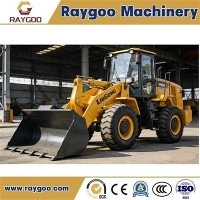
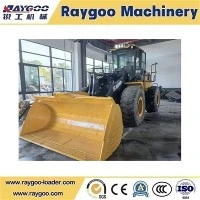
Hey there! As a supplier of medium wheel loaders, I often get asked about how to properly maintain these beasts. One crucial aspect of maintenance is checking the transmission fluid. In this blog, I'll walk you through the steps of checking the transmission fluid of a medium wheel loader, so you can keep your machine running smoothly.


Why Checking Transmission Fluid is Important
Before we dive into the process, let's talk about why checking the transmission fluid is so important. The transmission fluid in a medium wheel loader serves several key functions. It lubricates the moving parts in the transmission, reducing friction and wear. This helps to extend the lifespan of the transmission components. It also helps to cool the transmission by carrying heat away from the working parts. Additionally, the fluid provides hydraulic pressure for the transmission to shift gears smoothly.
If the transmission fluid level is too low, it can lead to increased friction, overheating, and eventually, transmission failure. On the other hand, if the fluid is dirty or contaminated, it won't be able to perform its functions effectively, which can also cause problems. So, regularly checking the transmission fluid is a simple yet essential part of maintaining your medium wheel loader.
What You'll Need
Before you start checking the transmission fluid, gather the following tools and materials:
- A clean rag or shop towel
- A funnel (if needed)
- The correct type of transmission fluid recommended by the manufacturer
- Safety goggles and gloves
Step 1: Prepare the Wheel Loader
First things first, make sure the wheel loader is parked on a level surface. This is important because an uneven surface can give you an inaccurate reading of the fluid level. Engage the parking brake and turn off the engine. Let the engine cool down for a while, especially if it has been running recently. This will prevent you from getting burned by hot fluid or components.
Step 2: Locate the Transmission Fluid Dipstick
The location of the transmission fluid dipstick can vary depending on the make and model of the medium wheel loader. In most cases, you can find it near the transmission housing. Refer to the operator's manual for your specific machine to find the exact location. Once you've located the dipstick, pull it out.
Step 3: Check the Fluid Level
Wipe the dipstick clean with a rag or shop towel. Then, reinsert the dipstick all the way back into its tube. Pull it out again and check the fluid level. There are usually markings on the dipstick indicating the minimum and maximum levels. The fluid level should be between these two marks.
If the fluid level is below the minimum mark, you'll need to add more fluid. If it's above the maximum mark, you may have overfilled the transmission, which can also cause problems. In this case, you'll need to drain some of the fluid.
Step 4: Check the Fluid Condition
In addition to checking the fluid level, it's also important to check the condition of the fluid. Look at the color and consistency of the fluid on the dipstick. Fresh transmission fluid is usually a clear, reddish color. If the fluid is dark brown or black, it may be dirty or contaminated. A burnt smell can also indicate that the fluid has been overheated.
If the fluid looks dirty or smells burnt, it's time to change the transmission fluid. Refer to the operator's manual for the recommended fluid change interval and procedure.
Step 5: Add or Drain Fluid if Necessary
If the fluid level is low, you'll need to add more fluid. Use a funnel to pour the fluid slowly into the dipstick tube. Check the fluid level frequently as you add fluid to avoid overfilling.
If the fluid level is too high, you'll need to drain some of the fluid. This can be a bit more complicated, so it's best to refer to the operator's manual for the proper procedure. In some cases, you may need to use a fluid drain plug or a suction pump to remove the excess fluid.
Step 6: Recheck the Fluid Level
After adding or draining fluid, recheck the fluid level using the dipstick. Make sure the level is between the minimum and maximum marks. If it's not, adjust the fluid level accordingly.
Step 7: Replace the Dipstick
Once you're satisfied with the fluid level, wipe the dipstick clean and reinsert it into its tube. Make sure it's fully seated to prevent any leaks.
Examples of Medium Wheel Loaders
As a medium wheel loader supplier, I offer a variety of high - quality machines. For instance, the Wheel Loader LiuGong CLG870H Wheel Loader is a great option. It has a powerful engine and a reliable transmission system, which makes it suitable for a wide range of construction and mining applications.
Another popular model is the 5 Ton Wheel Loader XCMG LW500FV. This loader is known for its durability and efficiency. It can handle large loads with ease, making it a favorite among contractors.
If you're on a budget, the Used LG856 Wheel Loader is a good choice. Despite being a used machine, it's still in good condition and can provide reliable performance.
Conclusion
Checking the transmission fluid of a medium wheel loader is a relatively simple process, but it's crucial for the proper functioning and longevity of your machine. By following these steps regularly, you can catch any potential problems early and avoid costly repairs.
If you're in the market for a medium wheel loader or need more information about maintenance, don't hesitate to reach out. We're here to help you make the right choice and keep your equipment in top - notch condition.
References
- Operator's manuals of various medium wheel loaders
- Industry best practices for wheel loader maintenance