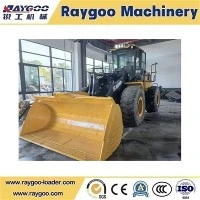
Hey there! I'm a supplier of 10 Ton Wheel Loaders, and today I'm gonna share with you how to clean the radiator of a 10 Ton Wheel Loader. It's a crucial maintenance task that can keep your loader running smoothly and efficiently.
Why Cleaning the Radiator is Important
First off, let's talk about why cleaning the radiator is so important. The radiator in a 10 Ton Wheel Loader plays a vital role in keeping the engine cool. As the loader works hard, the engine generates a ton of heat. The radiator helps dissipate this heat by circulating coolant through a network of tubes and fins.
Over time, dirt, dust, debris, and even insects can build up on the radiator fins. This buildup acts as an insulator, preventing the radiator from effectively transferring heat. When the radiator can't do its job properly, the engine can overheat. An overheated engine can lead to all sorts of problems, like reduced performance, increased fuel consumption, and even serious engine damage. So, regular radiator cleaning is essential to avoid these issues and keep your 10 Ton Wheel Loader in top shape.
Tools and Materials You'll Need
Before you start cleaning the radiator, you'll need to gather a few tools and materials. Here's what you'll typically need:
- Compressed air source: A compressor or an air gun can be used to blow out loose debris from the radiator.
- Soft - bristle brush: This is useful for gently scrubbing away stubborn dirt without damaging the delicate radiator fins.
- Radiator cleaner solution: You can buy a commercial radiator cleaner from an auto parts store. Make sure it's compatible with the materials used in your loader's radiator.
- Water hose: For rinsing the radiator after applying the cleaner.
- Safety gear: Gloves and safety glasses to protect yourself from the cleaner and any flying debris.
Step - by - Step Cleaning Process
Step 1: Prepare the Loader
First, make sure the loader is parked on a level surface and the engine is turned off. Let the engine cool down completely before you start working on the radiator. This is really important because working on a hot radiator can be dangerous and may cause burns.
Step 2: Inspect the Radiator
Take a good look at the radiator to assess the level of dirt and debris. Check for any visible damage, like bent fins or leaks. If you notice any significant damage, it might be a good idea to consult a professional before proceeding with the cleaning.
Step 3: Remove Loose Debris
Use the compressed air source to blow out any loose dirt, dust, and debris from the radiator. Start from the front of the radiator and work your way to the back. Hold the air gun at a slight angle and move it slowly across the radiator surface. This will help dislodge and remove as much loose material as possible.


Step 4: Apply the Radiator Cleaner
Follow the instructions on the radiator cleaner solution. Usually, you'll need to dilute the cleaner with water in a spray bottle or a bucket. Then, spray or pour the cleaner evenly over the radiator surface. Make sure to cover all the fins thoroughly. Let the cleaner sit for the recommended amount of time, usually around 10 - 15 minutes. This gives the cleaner time to break down the stubborn dirt and grime.
Step 5: Scrub the Radiator
After the cleaner has had time to work, use the soft - bristle brush to gently scrub the radiator fins. Be careful not to apply too much pressure, as the fins are quite thin and can easily be bent. Work in a back - and - forth motion to loosen any remaining dirt.
Step 6: Rinse the Radiator
Once you've finished scrubbing, use the water hose to rinse the radiator thoroughly. Start from the top and work your way down, making sure to remove all the cleaner and loosened dirt. Use a gentle stream of water to avoid damaging the fins. Keep rinsing until the water runs clear.
Step 7: Check the Results
After rinsing, take another look at the radiator. If there's still some dirt left, you may need to repeat the cleaning process. Once you're satisfied with the cleanliness of the radiator, let it dry completely before starting the engine.
Tips for Maintaining a Clean Radiator
- Regular inspections: Check the radiator for debris regularly, especially if you're using the loader in a dusty or dirty environment.
- Pre - filter installation: Consider installing a pre - filter in front of the radiator. This can catch a lot of the larger debris before it reaches the radiator, reducing the frequency of deep cleaning.
- Keep the work area clean: Try to keep the area where the loader is parked and operated as clean as possible. This can minimize the amount of dirt and debris that gets into the radiator.
Other Wheel Loader Options
If you're interested in other sizes of wheel loaders, we also offer 12 Ton Wheel Loader and 20 Ton Wheel Loader. These larger loaders are suitable for more heavy - duty applications and can handle even bigger jobs.
Contact Us for Purchase
If you're in the market for a 10 Ton Wheel Loader or any of our other products, we'd love to hear from you. Whether you have questions about the cleaning process we've just discussed or you're ready to make a purchase, don't hesitate to reach out. We're here to help you find the right equipment for your needs and provide you with the best service possible. You can explore our 10 Ton Wheel Loader on our website for more details.
References
- "Wheel Loader Maintenance Manuals", General Industry Publications
- "Radiator Cleaning Best Practices", Automotive Maintenance Guides