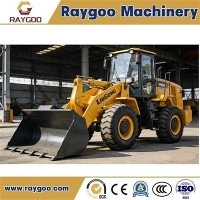
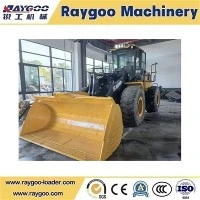
As a supplier of medium wheel loaders, I understand the importance of proper maintenance to keep these powerful machines running smoothly. One crucial maintenance task is replacing the fuel filter. A clogged or dirty fuel filter can restrict fuel flow, reduce engine performance, and even cause damage to the engine over time. In this blog post, I'll guide you through the process of replacing the fuel filter of a medium wheel loader.
Step 1: Gather the Necessary Tools and Materials
Before you start, make sure you have all the tools and materials you need. Here's a list of what you'll typically require:
- New fuel filter: Ensure it's the correct model and size for your medium wheel loader. You can usually find this information in the loader's manual.
- Wrench set: Different loaders may require different sized wrenches to remove the filter housing.
- Drain pan: To catch any fuel that may spill during the process.
- Safety glasses and gloves: To protect your eyes and hands from fuel and dirt.
- Rags or paper towels: For cleaning up any spills.
Step 2: Prepare the Loader
Safety is paramount when working on any heavy equipment. First, park the medium wheel loader on a flat, stable surface and engage the parking brake. Turn off the engine and allow it to cool down completely. This will prevent any risk of burns from hot engine components.
Next, relieve the fuel system pressure. You can do this by locating the fuel pump fuse or relay in the fuse box and removing it. Then, start the engine and let it run until it stalls. This indicates that the fuel pressure has been released. Disconnect the negative battery cable to prevent any electrical shorts during the filter replacement.
Step 3: Locate the Fuel Filter
The fuel filter on a medium wheel loader is typically located along the fuel line, either near the fuel tank or close to the engine. Refer to your loader's manual for the exact location. Once you've found it, take a moment to inspect the area around the filter for any signs of leaks, damage, or excessive dirt.
Step 4: Drain the Fuel
Place the drain pan beneath the fuel filter to catch any fuel that may drain out. Using a wrench, carefully loosen the fuel lines connected to the filter. Be prepared for some fuel to spill out, so work slowly and steadily. Once the lines are loose, allow the remaining fuel in the filter to drain into the pan.
Step 5: Remove the Old Fuel Filter
After the fuel has drained, use the appropriate wrench to loosen the filter housing. Depending on the type of filter, it may be held in place by a clamp, bolts, or a threaded connection. Once the housing is loose, carefully remove the old fuel filter. Take note of how the filter is oriented, as the new filter will need to be installed in the same way.
Step 6: Clean the Filter Housing
Before installing the new fuel filter, it's important to clean the filter housing thoroughly. Use a rag or paper towel to wipe away any dirt, debris, or old fuel from the housing. Pay special attention to the sealing surfaces to ensure a proper seal with the new filter.


Step 7: Install the New Fuel Filter
Take the new fuel filter and apply a thin layer of clean engine oil to the rubber gasket. This will help create a better seal and make it easier to install. Carefully insert the new filter into the housing, making sure it's properly aligned. Tighten the filter housing using the wrench, but be careful not to over-tighten it, as this could damage the filter or the housing.
Step 8: Reconnect the Fuel Lines
Once the new filter is installed, reconnect the fuel lines to the filter. Use the wrench to tighten the connections securely, but again, avoid over-tightening. Make sure there are no kinks or bends in the fuel lines, as this could restrict fuel flow.
Step 9: Refill the Fuel System
Reinstall the fuel pump fuse or relay and reconnect the negative battery cable. Turn the ignition key to the "On" position for a few seconds, then turn it off. Repeat this process a few times to prime the fuel system and build up pressure. Check for any signs of fuel leaks around the filter and the fuel lines.
Step 10: Start the Engine and Check for Proper Operation
Start the engine and let it run for a few minutes. Listen for any unusual noises or vibrations, and check the engine performance. If everything seems normal, take the loader for a short test drive to ensure that it's operating smoothly.
Importance of Regular Fuel Filter Replacement
Regularly replacing the fuel filter is essential for maintaining the performance and longevity of your medium wheel loader. A clean fuel filter ensures that only clean fuel reaches the engine, preventing contaminants from causing damage to the fuel injectors, pumps, and other engine components. It also helps improve fuel efficiency and reduces emissions.
Our Medium Wheel Loader Offerings
At our company, we offer a wide range of medium wheel loaders to meet the diverse needs of our customers. Whether you're looking for a used loader or a new one, we have the right solution for you. Check out our listings for Uesd XG982H Wheel Loader in Good Condition For Sale, The Used Wheel Loader LiugongZL50CN in Good Condition, and 5 Ton Wheel Loader.
Contact Us for Purchase and Maintenance
If you're interested in purchasing a medium wheel loader or have any questions about maintenance, don't hesitate to contact us. Our team of experts is here to assist you with all your equipment needs. We can provide you with detailed information about our products, offer advice on maintenance and repair, and help you find the best loader for your specific requirements.
References
- Manufacturer's manual for the medium wheel loader
- Industry best practices for heavy equipment maintenance