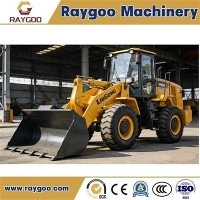
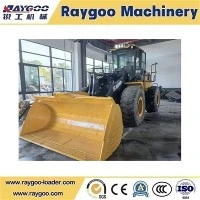
Hey there! As a supplier of large wheel loaders, I've seen my fair share of engine troubles. These workhorses are tough, but like any piece of machinery, they can run into problems from time to time. In this blog, I'll share some tips on how to troubleshoot the engine of a large wheel loader.


Understanding the Basics
First off, it's important to have a basic understanding of how a wheel loader engine works. Most large wheel loaders are powered by diesel engines. These engines work by compressing air in the cylinders, which raises the air's temperature. Then, fuel is injected into the hot, compressed air, and it ignites, creating the power to move the loader.
Common Engine Problems and How to Fix Them
1. Engine Won't Start
This is a classic problem that can be caused by a few different things.
- Dead Battery: Check the battery connections to make sure they're clean and tight. If the battery is old or not holding a charge, it might need to be replaced. You can use a multimeter to test the battery's voltage. A fully charged 12 - volt battery should read around 12.6 volts. If it's significantly lower, it's time for a new one.
- Fuel Issues: Make sure there's enough fuel in the tank. Sometimes, the fuel filter can get clogged, preventing fuel from reaching the engine. Check the fuel filter and replace it if it's dirty. Also, look for any signs of water in the fuel, which can also cause starting problems.
- Glow Plugs (for Cold Starts): In colder weather, the glow plugs help heat the air in the cylinders to aid ignition. If the glow plugs are faulty, the engine may not start. You can test the glow plugs with a multimeter to see if they're working properly.
2. Loss of Power
If your wheel loader is losing power, it can be a real headache.
- Air Filter: A dirty air filter restricts the amount of air that can enter the engine. Without enough air, the fuel can't burn efficiently, which leads to a loss of power. Check the air filter regularly and replace it when it's dirty. You can usually tell if the air filter needs replacing if it looks clogged with dirt and debris.
- Fuel System: A problem with the fuel injectors or the fuel pump can also cause a loss of power. The fuel injectors need to spray the right amount of fuel into the cylinders at the right time. If they're clogged or not working properly, the engine won't perform as it should. You may need to have the fuel injectors cleaned or replaced by a professional.
- Turbocharger Issues: Many large wheel loader engines are equipped with turbochargers to increase power. If the turbocharger is malfunctioning, it can lead to a significant loss of power. Look for signs of oil leaks around the turbocharger or unusual noises. A faulty turbocharger may need to be repaired or replaced.
3. Excessive Smoke
Smoke coming from the exhaust can indicate different problems depending on its color.
- Black Smoke: Black smoke usually means there's too much fuel being burned in the engine. This can be caused by a clogged air filter, a problem with the fuel injectors, or an issue with the engine's timing. Check the air filter and fuel injectors as described above. If the problem persists, it may be a more serious issue with the engine's timing that requires professional diagnosis.
- White Smoke: White smoke can be a sign of water in the fuel or a coolant leak into the combustion chamber. Check for water in the fuel tank and look for any signs of coolant loss. If you suspect a coolant leak, it's important to address it quickly as it can cause serious engine damage.
- Blue Smoke: Blue smoke indicates that oil is being burned in the engine. This can be due to worn piston rings, valve seals, or other internal engine problems. If you see blue smoke, it's best to have the engine inspected by a mechanic as soon as possible.
Using Diagnostic Tools
Modern large wheel loaders are often equipped with diagnostic systems that can help you identify engine problems. These systems can read error codes from the engine's computer and provide information about what's going wrong. You can use a diagnostic scanner to connect to the engine's computer and retrieve these codes. Once you have the codes, you can look them up in the service manual to find out what the problem is and how to fix it.
Regular Maintenance is Key
The best way to avoid engine problems is to perform regular maintenance on your large wheel loader. This includes changing the oil and oil filter at the recommended intervals, checking and replacing the air filter, fuel filter, and coolant as needed. Also, make sure to lubricate all the moving parts and check the belts and hoses for wear and tear.
Our Product Recommendations
We offer a range of high - quality large wheel loaders, such as the Wheel Loader XCMG LW600FV, the XCMG LW700, and the 20 Ton Wheel Loader. These loaders are built to last and are designed with advanced engine technology to minimize the risk of problems.
Contact Us for Purchase
If you're in the market for a large wheel loader or need more information about troubleshooting and maintenance, don't hesitate to reach out. We're here to help you make the right choice and keep your equipment running smoothly. Whether you're a small business owner or part of a large construction company, we have the right solution for you.
References
- Diesel Engine Handbook, published by a leading automotive engineering publisher.
- Large Wheel Loader Service Manuals, provided by the manufacturers.