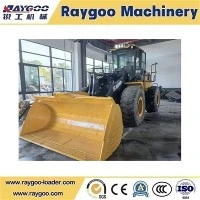
As a trusted mini front loader supplier, I understand the unique challenges that winter brings to the operation and maintenance of these versatile machines. Mini front loaders are essential for a variety of tasks, from snow removal to small - scale construction projects during the colder months. However, the harsh winter conditions can take a toll on their performance if not properly maintained. In this blog, I'll share some valuable winter - maintenance tips to keep your mini front loader in top - notch condition throughout the season.
1. Fluid Checks and Replacements
One of the most critical aspects of winter maintenance is ensuring that all the fluids in your mini front loader are at the appropriate levels and in good condition.
Engine Oil
Cold temperatures can cause engine oil to thicken, which can make it difficult for the engine to circulate the oil properly. This can lead to increased wear and tear on the engine components. Before the winter sets in, it's advisable to switch to a lower - viscosity oil that is specifically formulated for cold weather. Check the oil level regularly, at least once a week, and top it up if necessary. A well - lubricated engine is less likely to experience problems in cold conditions.
Coolant
The coolant in your mini front loader's radiator plays a crucial role in preventing the engine from freezing. A proper coolant mixture should be able to withstand extremely low temperatures. Check the coolant level and its freeze - protection rating. Most coolants need to be a 50/50 mixture of antifreeze and water to provide adequate protection down to - 34°C (- 29°F). If the coolant is old or has a low freeze - protection rating, it's time to drain and refill it with a suitable coolant.
Hydraulic Fluid
Hydraulic systems are the heart of a mini front loader, powering the lifting and tilting functions. Cold temperatures can increase the viscosity of hydraulic fluid, reducing the efficiency of the system. Similar to engine oil, use a hydraulic fluid with a lower viscosity for winter operation. Check the hydraulic fluid level frequently and look for any signs of contamination, such as water or debris. If the fluid appears cloudy or has an unusual odor, it may need to be replaced.
2. Battery Maintenance
A weak battery is one of the most common causes of starting problems in cold weather. The cold can significantly reduce the battery's capacity and make it harder to start the engine.
Charge Regularly
Make sure your mini front loader's battery is fully charged. If the loader is not in use for an extended period, use a battery charger to keep the battery at a full charge. A trickle charger is a great option as it can maintain the battery's charge without overcharging it.
Clean the Terminals
Corrosion on the battery terminals can prevent the battery from delivering power effectively. Use a wire brush to clean the terminals and remove any corrosion. After cleaning, apply a thin layer of petroleum jelly to the terminals to prevent future corrosion.
Check the Battery Health
Test the battery's health regularly using a battery tester. If the battery is old or has a low charge capacity, it may be time to replace it. A new battery will provide reliable starting power even in cold weather.
3. Tire Care
Tires are the only point of contact between the mini front loader and the ground, and proper tire maintenance is essential for safe and efficient operation in winter.
Check the Tire Pressure
Cold temperatures can cause the air in the tires to contract, leading to lower tire pressure. Check the tire pressure at least once a week and inflate the tires to the recommended pressure. Under - inflated tires can reduce fuel efficiency, increase tire wear, and affect the loader's stability.
Inspect for Damage
Look for any signs of damage, such as cuts, bulges, or excessive wear on the tires. Damaged tires are more likely to fail in cold weather, especially when driving on uneven or icy surfaces. If you notice any damage, replace the tire immediately.
Consider Snow Tires or Chains
In areas with heavy snowfall or icy conditions, consider using snow tires or tire chains. Snow tires have a special tread pattern and rubber compound that provide better traction on snow and ice. Tire chains can also significantly improve traction, but they should be installed and removed carefully to avoid damaging the tires.
4. Fuel System Maintenance
The fuel system of your mini front loader needs special attention during the winter months.
Use Winter - Grade Fuel
Some fuels can gel in cold temperatures, which can clog the fuel lines and filters and prevent the engine from running properly. Use a winter - grade fuel that is formulated to resist gelling. Winter - grade fuels typically have a lower cloud point, which means they can remain in a liquid state at lower temperatures.
Check the Fuel Filters
Fuel filters can become clogged with dirt, water, or gelled fuel during the winter. Check the fuel filters regularly and replace them if they are dirty or clogged. A clean fuel filter ensures that the engine receives a steady supply of clean fuel.
Add Fuel Additives
Fuel additives can help prevent fuel gelling and improve the performance of the fuel system in cold weather. There are various types of fuel additives available, including anti - gel additives, water removers, and cetane improvers. Follow the manufacturer's instructions when using fuel additives.
5. Pre - Start and Warm - Up Procedures
Proper pre - start and warm - up procedures are essential for the smooth operation of your mini front loader in winter.
Pre - Start Checks
Before starting the engine, perform a visual inspection of the loader. Check for any signs of leaks, loose connections, or damage. Make sure all the controls are in the neutral position and the parking brake is engaged.
Warm - Up the Engine
Once the engine is started, let it idle for a few minutes to warm up. This allows the oil to circulate and reach all the engine components. Avoid revving the engine too high during the warm - up period, as this can cause unnecessary stress on the engine. After the engine has warmed up slightly, operate the hydraulic controls slowly to warm up the hydraulic system.
6. Storage Considerations
If you need to store your mini front loader during the winter, proper storage procedures can help prevent damage and ensure that the loader is ready for use when the weather improves.
Clean the Loader
Before storing the loader, clean it thoroughly to remove any dirt, debris, or salt. Salt can cause corrosion, especially on metal parts. Wash the loader with a mild detergent and water, and dry it completely to prevent rust.
Protect the Exposed Metal Surfaces
Apply a thin layer of lubricant or rust - preventive coating to the exposed metal surfaces, such as the frame, hydraulic cylinders, and bucket edges. This will help protect the metal from rust and corrosion during storage.
Store in a Dry Place
Store the loader in a dry, sheltered area, such as a garage or a shed. If outdoor storage is unavoidable, cover the loader with a waterproof tarp to protect it from the elements.
At our company, we offer a wide range of high - quality mini front loaders, including the ZL916F Wheel Loader, ZL - 936 Wheel Loader, and SDLG L936H Wheel Loader. These loaders are designed to perform well in various conditions, including winter. If you are interested in purchasing a mini front loader or have any questions about winter maintenance, please feel free to contact us for a detailed discussion. We are committed to providing you with the best products and services to meet your needs.


References
- Construction Equipment Guide. (2023). Winter Maintenance Tips for Heavy Equipment.
- Caterpillar Inc. (2022). Operating and Maintenance Manual for Mini Front Loaders.
- Kubota Corporation. (2023). Winter Care for Construction Machinery.