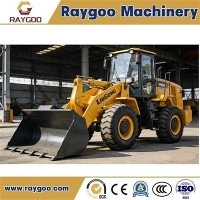
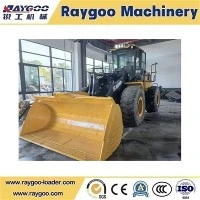
What is the load distribution of an SDLG wheel loader?
As a supplier of SDLG wheel loaders, I am often asked about the load distribution of these powerful machines. Understanding load distribution is crucial for ensuring the optimal performance, safety, and longevity of a wheel loader. In this blog post, I will delve into the concept of load distribution in SDLG wheel loaders, exploring how it impacts the machine's operation and highlighting the key factors that influence it.
Load distribution refers to how the weight of the load and the machine itself is distributed across the wheels and axles of a wheel loader. Proper load distribution is essential for maintaining stability, traction, and balanced operation. An uneven load distribution can lead to a range of problems, including reduced maneuverability, increased tire wear, and even safety hazards.
In an SDLG wheel loader, the load is primarily carried by the front and rear axles. The front axle typically bears a greater portion of the load, especially when the loader is in the process of loading materials. This is because the front bucket of the wheel loader is where the load is initially picked up and carried. The rear axle, on the other hand, provides support and stability to the machine, helping to balance the weight of the load and the front of the loader.
The specific load distribution of an SDLG wheel loader can vary depending on several factors, including the type of loader, the size and weight of the load, the position of the load in the bucket, and the operating conditions. For example, different models of SDLG wheel loaders, such as the Sdlg L956HL, Sdlg L953H, and SDLG L958HHB, are designed to handle different load capacities and have different load distribution characteristics.
Let's take a closer look at some of the key factors that influence the load distribution of an SDLG wheel loader:
-
Load Capacity: Each SDLG wheel loader model has a specified load capacity, which indicates the maximum weight that the loader can safely carry. It is important to operate the loader within its load capacity limits to ensure proper load distribution and avoid overloading the machine. Overloading can cause excessive stress on the axles, tires, and other components, leading to premature wear and potential safety issues.
-
Bucket Position: The position of the load in the bucket also affects the load distribution. When the bucket is filled to the front, more weight is transferred to the front axle, increasing the load on the front wheels. Conversely, when the load is centered or towards the rear of the bucket, the load distribution is more evenly spread between the front and rear axles. Operators should aim to fill the bucket evenly and position the load in the center to maintain a balanced load distribution.
-
Operating Conditions: The operating conditions, such as the terrain, slope, and surface conditions, can also impact the load distribution of an SDLG wheel loader. On uneven or sloped terrain, the weight of the load may shift, causing an imbalance in the load distribution. Operators need to adjust their driving techniques and be aware of the potential changes in load distribution to ensure safe and efficient operation.
-
Machine Design: The design of the SDLG wheel loader plays a crucial role in determining the load distribution. SDLG engineers have carefully designed the loaders to optimize the distribution of weight and ensure stability and performance. Factors such as the wheelbase, axle design, and center of gravity are all taken into consideration during the design process to achieve the best possible load distribution.
Proper load distribution is not only important for the performance and safety of the wheel loader but also for the longevity of its components. When the load is evenly distributed, the tires, axles, and other parts of the machine experience less stress and wear, reducing the risk of breakdowns and costly repairs.
To ensure the proper load distribution of an SDLG wheel loader, operators should follow these best practices:
- Read the Operator's Manual: The operator's manual provides detailed information about the load capacity, operating procedures, and load distribution guidelines for the specific model of SDLG wheel loader. Operators should thoroughly read and understand the manual before operating the machine.
- Inspect the Machine: Before each shift, operators should inspect the wheel loader for any signs of damage or wear, including the tires, axles, and bucket. Any issues should be addressed immediately to ensure safe and efficient operation.
- Load the Bucket Properly: When loading the bucket, operators should aim to fill it evenly and position the load in the center. This helps to maintain a balanced load distribution and reduces the stress on the front axle.
- Adjust the Driving Technique: On uneven or sloped terrain, operators should adjust their driving technique to compensate for the changes in load distribution. This may include reducing speed, using lower gears, and avoiding sudden maneuvers.
- Maintain the Machine Regularly: Regular maintenance is essential for ensuring the proper functioning of the SDLG wheel loader and maintaining the correct load distribution. This includes checking the tire pressure, lubricating the moving parts, and inspecting the axles and suspension system.
In conclusion, understanding the load distribution of an SDLG wheel loader is essential for optimizing its performance, safety, and longevity. By considering the key factors that influence load distribution and following the best practices, operators can ensure that the wheel loader operates efficiently and safely in a variety of conditions.
If you are considering purchasing an SDLG wheel loader or have any questions about load distribution or other aspects of these machines, I encourage you to contact me for a detailed discussion. I am here to provide you with the information and support you need to make an informed decision and find the right SDLG wheel loader for your specific requirements.
References:


- SDLG Wheel Loader Operator's Manuals
- Industry standards and best practices for wheel loader operation and maintenance