What is the vibration level of a rubber wheel dozer during operation?
As a seasoned supplier of rubber wheel dozers, I've witnessed the pivotal role these machines play in various construction and earth - moving operations. One question that often comes up from our potential and existing clients is about the vibration level of a rubber wheel dozer during operation. Understanding this aspect is crucial as it not only affects operator comfort but also the overall performance and longevity of the machine.
The Basics of Rubber Wheel Dozers
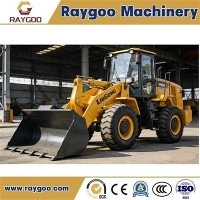
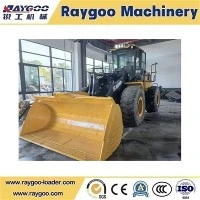
Before delving into the vibration levels, it's essential to have a brief understanding of rubber wheel dozers. These machines combine the mobility and speed of wheeled vehicles with the pushing and earth - moving capabilities of traditional dozers. They are equipped with rubber tires, which offer advantages such as better traction on certain surfaces, reduced ground damage compared to tracked dozers, and enhanced maneuverability. You can learn more about our Rubber Tyre Dozer.


Sources of Vibration in Rubber Wheel Dozers
The vibration in a rubber wheel dozer during operation can stem from multiple sources. One of the primary causes is the interaction between the rubber tires and the ground surface. When the dozer moves over uneven terrain, such as rocky or bumpy ground, the tires encounter irregularities. Each time a tire hits a bump or a hole, it causes a sudden change in the force applied to the wheel and the rest of the machine, resulting in vibrations.
The engine is another significant source of vibration. The combustion process within the engine cylinders generates rapid pressure changes, which in turn create vibrations. These vibrations are transferred to the frame of the dozer through the engine mounts. The greater the power output of the engine, the more intense these combustion - related vibrations can be.
The operation of the dozer's working components also contributes to vibrations. For example, when the blade is used to push heavy loads of soil, gravel, or other materials, the resistance from the load can cause the dozer to vibrate. The hydraulic system, which is responsible for controlling the movement of the blade and other attachments, can also generate vibrations during its operation, especially when there are sudden changes in pressure or flow.
Measuring Vibration Levels
There are specific methods and standards for measuring the vibration levels in rubber wheel dozers. ISO 2631 is one of the widely recognized standards that provides guidelines for assessing human exposure to vibration. In the context of dozer operators, measuring vibration levels is important to ensure that their exposure does not exceed the recommended limits, which can lead to health issues such as back pain, hand - arm vibration syndrome, and fatigue.
To measure vibration levels, accelerometers are commonly used. These sensors can be placed at various locations on the dozer, such as the operator's seat, the steering wheel, and the floor of the cab. The accelerometers detect the acceleration due to vibrations and convert it into an electrical signal. This signal is then analyzed using specialized software to determine the frequency and amplitude of the vibrations.
Impact of Vibration Levels
The vibration levels of a rubber wheel dozer can have several impacts. From an operator's perspective, high - level vibrations can cause discomfort and fatigue. Prolonged exposure to excessive vibrations can lead to long - term health problems, as mentioned earlier. This not only affects the well - being of the operator but can also result in reduced productivity and increased absenteeism.
In terms of the machine itself, excessive vibrations can cause premature wear and tear of components. The constant shaking can loosen fasteners, damage electrical connections, and cause stress on the structural parts of the dozer. This can lead to more frequent breakdowns, increased maintenance costs, and a shorter lifespan for the machine.
Managing and Reducing Vibration Levels
As a supplier, we are committed to providing rubber wheel dozers with optimal vibration levels. One of the ways we achieve this is through the design of the chassis and suspension system. A well - designed suspension can absorb a significant amount of the vibrations generated by the tires and the uneven terrain. For example, modern rubber wheel dozers often feature independent suspension systems with high - quality shock absorbers, which can effectively dampen vibrations.
The engine mounts also play a crucial role in reducing vibrations. We use advanced engine mount materials that can isolate the engine from the rest of the machine, minimizing the transfer of engine - generated vibrations. These engine mounts are designed to provide both flexibility and stability, ensuring that the engine operates smoothly while keeping the vibration levels in check.
In addition, we pay close attention to the design and balance of the working components. For instance, the blade is carefully engineered to distribute the load evenly, reducing the uneven forces that can cause vibrations during operation. The hydraulic system is also optimized to minimize pressure fluctuations and sudden movements, which are common sources of vibration.
Case Studies
Let's take a look at some real - world examples to illustrate the importance of vibration management. A construction company in a large - scale infrastructure project was using our rubber wheel dozers. Initially, they were experiencing high levels of operator complaints about discomfort due to vibrations. After a thorough analysis, we identified that the problem was mainly due to the worn - out shock absorbers in the suspension system. We quickly replaced the shock absorbers with our upgraded models. The result was a significant reduction in vibration levels. Operators reported a much more comfortable working environment, and the productivity of the dozer operations increased by approximately 15%.
Another case involved a mining operation. The dozer was operating on a very rough and rocky surface, which was causing excessive vibrations. We recommended the use of a special type of tire with enhanced shock - absorbing properties. Along with some adjustments to the engine mounts and the blade design, the vibration levels were brought down to an acceptable range. This not only improved the operator's comfort but also reduced the frequency of component failures, saving the mining company a substantial amount of money on maintenance.
Conclusion
In conclusion, understanding the vibration level of a rubber wheel dozer during operation is of utmost importance. It impacts both the well - being of the operator and the performance and durability of the machine. As a leading supplier of rubber wheel dozers, we are dedicated to providing high - quality machines with optimal vibration levels through innovative design and advanced technology.
If you are looking for a reliable rubber wheel dozer for your construction or earth - moving project, we invite you to contact us. Our team of experts is ready to assist you in selecting the right dozer for your specific needs and answer any questions you may have regarding vibration levels or other aspects of our products. Let's start a productive conversation about how our rubber wheel dozers can enhance your operations.
References
- ISO 2631 - 1:1997 Mechanical vibration and shock -- Evaluation of human exposure to whole - body vibration -- Part 1: General requirements.
- Engineering Design for Construction Equipment, various research papers on the design and operation of rubber wheel dozers.