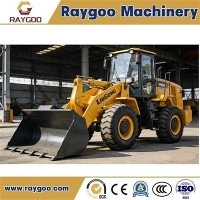
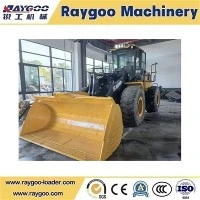
As a supplier of rubber wheel dozers, I often get asked about the suitability of our equipment for various construction projects, especially port construction. Ports are complex and dynamic environments that require heavy machinery capable of handling diverse tasks, from land reclamation and dredging support to cargo handling and infrastructure development. In this blog post, I'll explore whether a rubber wheel dozer can be effectively used in port construction and highlight its advantages and limitations.


The Role of Rubber Wheel Dozers in General Construction
Before delving into port - specific applications, it's important to understand the basic capabilities of a rubber wheel dozer. A Rubber Tyre Dozer is a type of heavy - duty construction equipment that combines the pushing power of a traditional dozer with the mobility of a wheeled vehicle. Unlike crawler dozers, which run on tracks, rubber wheel dozers are equipped with large, heavy - duty tires. This design gives them several advantages, such as higher travel speeds, better maneuverability on hard surfaces, and reduced ground pressure.
These dozers are commonly used in a variety of construction projects, including road building, site preparation, and mining operations. They can push, spread, and level materials like soil, gravel, and sand, making them versatile machines on a construction site.
Suitability for Port Construction
Advantages
- Mobility and Maneuverability: Ports are large areas with a lot of traffic and various structures. Rubber wheel dozers can move quickly between different work areas, which is crucial in a busy port environment. Their ability to make tight turns and navigate around obstacles such as storage containers, quay cranes, and other port infrastructure makes them highly adaptable. For example, when there is a need to quickly re - arrange a stockpile of materials near a quay, a rubber wheel dozer can easily maneuver into position and complete the task in a timely manner.
- Hard - Surface Compatibility: Many parts of a port, including access roads, storage yards, and quay aprons, are paved or have hard - packed surfaces. Rubber wheel dozers perform well on these surfaces, as their tires provide good traction without causing excessive damage. In contrast, crawler dozers can leave tracks and cause wear on paved areas. This makes rubber wheel dozers a more suitable choice for tasks like moving cargo on hard - surfaced storage yards or assisting in the construction of paved areas within the port.
- Reduced Ground Pressure: Ports often have areas with soft or reclaimed soil. The relatively lower ground pressure of rubber wheel dozers compared to crawler dozers can be an advantage in these situations. Lower ground pressure means less risk of the dozer sinking into the soft ground, allowing it to operate more safely and efficiently on areas that may be prone to subsidence.
- Quick Deployment: In port construction, time is of the essence. Rubber wheel dozers can be quickly transported to the site and put into operation. They can be driven directly onto trailers for transportation, eliminating the need for complex and time - consuming loading and unloading procedures associated with some other heavy machinery.
Limitations
- Lack of Traction on Soft or Loose Ground: While rubber wheel dozers have good traction on hard surfaces, they may struggle in areas with soft, muddy, or loose soil. In port construction, there are often areas where dredged materials are deposited, which can be very soft. In such conditions, the tires may spin, and the dozer may not be able to generate enough pushing force, reducing its effectiveness.
- Lower Pushing Power: Generally, rubber wheel dozers have less pushing power compared to crawler dozers of similar size. In large - scale port construction projects that involve moving large volumes of heavy materials, such as large boulders or dense soil, the lower pushing power of rubber wheel dozers may be a limiting factor.
- Tire Wear: The tires of rubber wheel dozers are subject to wear, especially when operating in a harsh port environment. Sharp objects, abrasive materials, and long - distance travel can all contribute to tire damage. Frequent tire replacement can increase the operating costs and downtime of the equipment.
Specific Applications in Port Construction
Land Reclamation
In land reclamation projects, rubber wheel dozers can play a role in spreading and leveling the fill materials. After dredged soil or sand is pumped onto the reclamation area, the dozer can be used to distribute the material evenly and create a flat surface. Their mobility allows them to work across large areas efficiently, and their ability to operate on the relatively firming surface of the newly - deposited fill makes them a viable option.
Cargo Handling and Yard Management
Rubber wheel dozers can be used in cargo yards to move and stack loose materials such as coal, ore, or gravel. They can push and re - arrange these materials to optimize storage space and facilitate loading and unloading operations. Their maneuverability enables them to work around cargo handling equipment and containers, ensuring smooth operations in the yard.
Infrastructure Development
During the construction of port infrastructure such as roads, buildings, and quay walls, rubber wheel dozers can assist in site preparation. They can clear the construction site, level the ground, and move construction materials. Their ability to operate on paved or semi - paved areas makes them suitable for tasks related to the construction of access roads and other hard - surface structures within the port.
Conclusion
In conclusion, a rubber wheel dozer can be a valuable asset in port construction. Its mobility, hard - surface compatibility, and reduced ground pressure offer significant advantages in many port - related tasks. However, it also has limitations, particularly in terms of traction on soft ground and pushing power. In many cases, a combination of rubber wheel dozers and other heavy machinery, such as crawler dozers, may be the most effective approach for port construction projects.
If you're involved in port construction and are considering the use of a rubber wheel dozer, I encourage you to reach out to discuss your specific needs. Our team of experts can provide detailed information about the capabilities of our rubber wheel dozers and help you determine if they are the right fit for your project. Contact us to start a conversation about how our equipment can contribute to the success of your port construction endeavors.
References
- Construction Equipment Handbook, various editions
- Port Engineering textbooks, including "Port and Harbor Engineering" by C. Y. Wang