

Hey there! As a supplier of SDLG wheel loaders, I often get asked if these bad boys can handle extreme cold conditions. Well, let's dive right into it and find out!
First off, let me give you a bit of background on SDLG wheel loaders. They're known for their durability, efficiency, and reliability. These machines are built to tackle tough jobs in all sorts of environments, and that includes cold weather.
So, can an SDLG wheel loader work in extreme cold? The short answer is yes, but there are a few things you need to keep in mind.
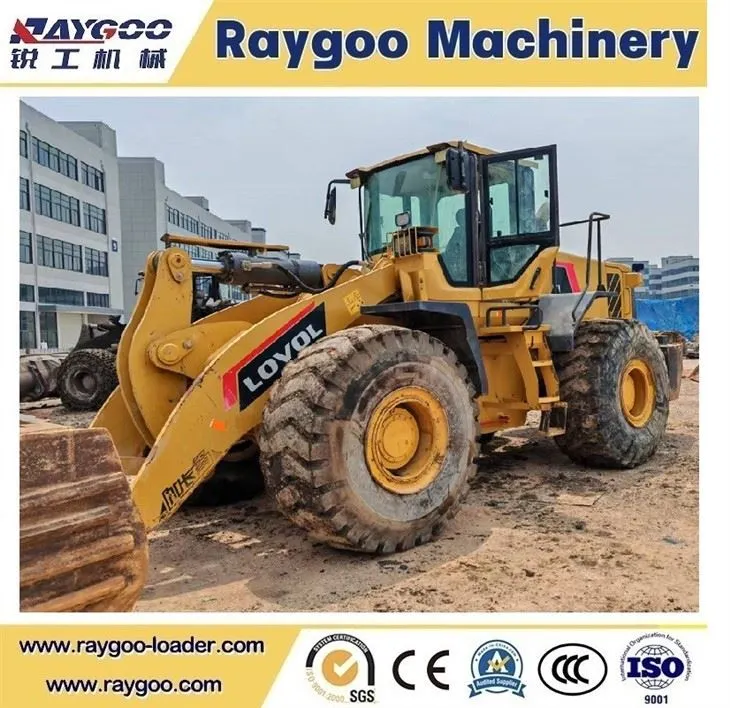

Engine and Fuel System
The engine is the heart of any wheel loader, and in cold conditions, it needs a little extra care. SDLG wheel loaders are equipped with engines that are designed to start and run smoothly in low temperatures. However, you need to make sure you're using the right type of fuel. In extreme cold, diesel fuel can thicken and gel, which can cause problems with the fuel system. To prevent this, use a winterized diesel fuel that has a lower pour point. You can also add a fuel additive to improve the cold flow properties of the fuel.
Another important thing to consider is the engine coolant. Make sure the coolant is a mixture of antifreeze and water that's appropriate for the expected low temperatures. A 50/50 mixture of antifreeze and water is usually sufficient for most cold weather conditions, but in extremely cold areas, you may need to adjust the ratio.
Hydraulic System
The hydraulic system is responsible for operating the loader's boom, bucket, and other attachments. In cold weather, the hydraulic fluid can become thicker, which can make the system less responsive. To prevent this, use a hydraulic fluid that's specifically designed for cold weather. These fluids have a lower viscosity at low temperatures, which allows them to flow more easily through the system.
It's also a good idea to warm up the hydraulic system before using the loader. This can be done by operating the loader's controls slowly for a few minutes to circulate the hydraulic fluid and warm it up.
Tires and Tracks
The tires or tracks on a wheel loader are essential for traction and stability. In cold weather, the rubber in the tires can become hard and lose its flexibility, which can reduce traction. To prevent this, make sure the tires are properly inflated. Under-inflated tires can increase the risk of damage and reduce fuel efficiency.
If your loader has tracks, make sure they're in good condition and properly tensioned. Cold weather can cause the tracks to contract, which can lead to excessive wear and tear.
Operator Comfort and Safety
In extreme cold conditions, it's important to keep the operator comfortable and safe. SDLG wheel loaders are equipped with heated cabs that provide a warm and comfortable working environment. The cabs are also insulated to reduce heat loss and noise.
Make sure the operator is wearing appropriate cold weather gear, including warm clothing, gloves, and boots. It's also a good idea to provide the operator with a thermos of hot coffee or tea to help keep them warm.
Maintenance and Inspections
Regular maintenance and inspections are crucial for keeping your SDLG wheel loader running smoothly in extreme cold conditions. Before the cold weather sets in, have your loader serviced by a qualified technician. This includes checking the engine, fuel system, hydraulic system, tires, and other components for any signs of wear or damage.
During the cold weather season, perform daily inspections of the loader before each use. Check the fluid levels, tire pressure, and other critical components. Look for any signs of leaks, cracks, or other damage.
Real-World Examples
I've had customers who have used SDLG wheel loaders in some of the coldest places on earth, and they've been very happy with the performance of the machines. For example, one customer in Alaska uses an SDLG FL966H wheel loader to clear snow from roads and parking lots. Despite the extremely cold temperatures, the loader has been able to start and run reliably, and it has provided excellent performance.
Another customer in Canada uses a China Used SDLG 956 Wheel Loader in a mining operation. The loader is exposed to cold temperatures and harsh working conditions, but it has held up well and has been able to meet the demands of the job.
Conclusion
So, to answer the question, yes, an SDLG wheel loader can work in extreme cold conditions. However, it's important to take the necessary precautions to ensure the machine's performance and reliability. By following the tips outlined in this blog post, you can keep your SDLG wheel loader running smoothly in even the coldest weather.
If you're interested in purchasing an SDLG wheel loader, we have a great selection of used loaders available at competitive prices. Check out our The Used FL966H Wheel Loader in Good Condtion With Cheap Price, China Used SDLG 956 Wheel Loader, and Sdlg 956 Loader.
If you have any questions or would like to learn more about our SDLG wheel loaders, feel free to reach out to us. We're here to help you find the right loader for your needs and provide you with the support and service you deserve.
References
- SDLG Wheel Loader Operator's Manual
- Diesel Fuel Cold Flow Properties Guide
- Hydraulic Fluid Manufacturer's Recommendations


