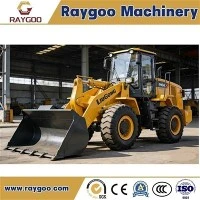
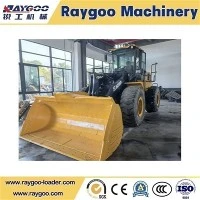
As a supplier of the S300 Skid Steer, I understand the importance of keeping this powerful machine in top - notch condition. One of the critical components that often requires attention is the starter motor. In this blog, I'll guide you through the process of checking the starter motor in the S300 Skid Steer.
Understanding the Starter Motor's Role
Before we dive into the checking process, it's essential to understand what the starter motor does. The starter motor is responsible for initiating the engine's operation. When you turn the ignition key, an electrical signal is sent to the starter motor, which then engages with the engine's flywheel. This action cranks the engine, allowing it to start the combustion process. In the S300 Skid Steer, a reliable starter motor is crucial for seamless operation, whether you're using it for construction, landscaping, or other heavy - duty tasks.


Pre - Check Preparations
Before you start inspecting the starter motor, you need to take some safety precautions. First, ensure that the S300 Skid Steer is parked on a flat and stable surface. Turn off the engine and remove the key from the ignition. This will prevent any accidental starts during the inspection. It's also a good idea to wear safety gloves and goggles to protect yourself from any sharp edges or electrical hazards.
Visual Inspection
The first step in checking the starter motor is a visual inspection. Locate the starter motor on the S300 Skid Steer. It's usually mounted near the engine block. Look for any obvious signs of damage, such as cracks, dents, or loose connections. Check the wiring harness connected to the starter motor. Make sure that all the wires are securely attached and there are no signs of fraying or corrosion. Corroded wires can cause poor electrical conductivity, which may lead to starter motor failure.
If you notice any loose connections, tighten them using the appropriate tools. For corroded wires, you can clean the terminals with a wire brush and apply a small amount of dielectric grease to prevent further corrosion.
Checking the Battery
A weak or dead battery can often mimic starter motor problems. Before assuming that the starter motor is faulty, check the battery. Start by inspecting the battery terminals for corrosion. Clean them if necessary. Then, use a multimeter to measure the battery voltage. A fully charged battery should read around 12.6 volts. If the voltage is significantly lower, the battery may need to be charged or replaced.
You can also perform a load test on the battery. This involves using a battery load tester to simulate the electrical load when starting the engine. If the battery fails the load test, it's likely the cause of the starting problem, and you should replace the battery before further testing the starter motor.
Testing the Starter Solenoid
The starter solenoid is a small component that controls the flow of electricity to the starter motor. It's usually mounted on top of the starter motor. To test the solenoid, you'll need a jumper wire and a battery. First, disconnect the negative terminal of the battery to prevent any short circuits. Then, locate the small terminal on the solenoid that receives the electrical signal from the ignition switch.
Connect one end of the jumper wire to the positive terminal of the battery and the other end to the small terminal on the solenoid. If the solenoid is working correctly, you should hear a clicking sound as the solenoid engages. If you don't hear the clicking sound, the solenoid may be faulty and needs to be replaced.
Bench Testing the Starter Motor
If the battery and solenoid are in good condition, but the engine still won't start, you may need to bench test the starter motor. This involves removing the starter motor from the S300 Skid Steer and testing it on a workbench.
First, disconnect the wiring harness and the mounting bolts to remove the starter motor. Once removed, clean the starter motor to remove any dirt or debris. Then, use a power source, such as a battery charger or a power supply, to apply power to the starter motor.
Connect the positive terminal of the power source to the large terminal on the starter motor and the negative terminal to the motor's housing. If the starter motor spins freely, it's likely in good condition. However, if it makes a grinding noise, doesn't spin at all, or spins slowly, the starter motor may be faulty and needs to be repaired or replaced.
Reinstalling the Starter Motor
If you've determined that the starter motor is working correctly or have replaced a faulty one, it's time to reinstall it. Make sure to clean the mounting surface on the engine block before installing the starter motor. Align the starter motor with the mounting holes and insert the mounting bolts. Tighten the bolts to the manufacturer's specifications.
Reconnect the wiring harness to the starter motor, ensuring that all the connections are secure. Then, reconnect the negative terminal of the battery.
Final Checks
After reinstalling the starter motor, perform a final check. Turn the ignition key to start the engine. If the engine starts smoothly, congratulations! You've successfully checked and potentially repaired the starter motor in your S300 Skid Steer.
If the engine still doesn't start, there may be other issues, such as a faulty ignition switch or a problem with the engine's internal components. In this case, it's recommended to consult a professional mechanic or refer to the S300 Skid Steer's service manual.
Conclusion
Checking the starter motor in the S300 Skid Steer is a relatively straightforward process that can save you time and money in the long run. By following these steps, you can diagnose and potentially fix starting problems on your own. Remember, regular maintenance of the starter motor and other components of the S300 Skid Steer is essential for its reliable performance.
If you're in the market for a S300 Skid Steer or a S300 Compact Loader, we're here to help. Our team of experts can provide you with detailed information about these machines and assist you in finding the right one for your needs. Whether you're a professional contractor or a DIY enthusiast, our S300 Skid Steers are built to last and perform. Contact us today to start the procurement discussion and find out how we can meet your equipment requirements.
References
- Bobcat S300 Skid Steer Operator's Manual
- Automotive Electrical Systems Handbook