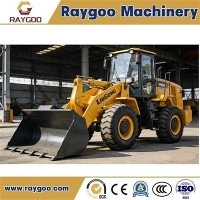
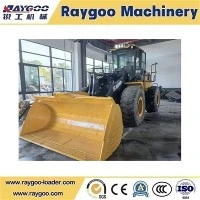
Optimizing the bucket filling of a wheel loader is a crucial aspect of enhancing its efficiency and productivity. As a wheel loader supplier, I've witnessed firsthand the impact that proper bucket - filling techniques can have on a project's bottom line. In this blog, I'll share some practical strategies and insights on how to optimize the bucket filling process.
Understanding the Basics of Bucket Filling
Before delving into optimization strategies, it's essential to understand the basic principles of bucket filling. The goal is to fill the bucket as completely as possible with each pass while minimizing spillage and the time spent per cycle. A well - filled bucket means more material moved in less time, which directly translates to increased productivity.
The design of the wheel loader's bucket plays a significant role in the filling process. Buckets come in various shapes and sizes, each designed for specific applications. For example, a general - purpose bucket may have a standard shape that works well for a variety of materials, while a rock bucket is designed with a stronger structure to handle more abrasive materials.
Selecting the Right Bucket
One of the first steps in optimizing bucket filling is choosing the right bucket for the job. Consider the type of material you'll be handling. If you're working with loose, granular materials like sand or gravel, a wider bucket with a smooth interior may be more efficient as it can scoop up a larger volume of material. On the other hand, if you're dealing with large rocks or heavy, compacted materials, a narrower bucket with a reinforced edge may be more suitable.
At our company, we offer a range of high - quality buckets for different wheel loader models. For instance, the SDLG LG956L Wheel Loader comes with a well - designed bucket that can be customized based on your specific needs. Whether you need a bucket for light - duty or heavy - duty applications, we have the options to meet your requirements.
Positioning the Wheel Loader
Proper positioning of the wheel loader is crucial for efficient bucket filling. Approach the material pile at a straight angle to ensure that the bucket enters the pile evenly. This helps to distribute the force evenly across the bucket and reduces the risk of spillage.
When approaching the pile, start with the bucket at a slight angle, with the leading edge just touching the ground. As you drive forward, gradually lower the bucket to scoop up the material. This technique allows the bucket to cut into the pile smoothly and fill more effectively.
Adjusting the Bucket Angle
The angle of the bucket also affects the filling process. A bucket that is too flat may not scoop up enough material, while a bucket that is too steep may cause spillage. Experiment with different bucket angles to find the optimal position for the type of material you're handling.
In general, for loose materials, a slightly flatter bucket angle may work well as it allows the material to flow into the bucket more easily. For compacted materials, a steeper angle may be required to penetrate the pile. Our wheel loaders, such as the 3 Ton Wheel Loader, are equipped with adjustable bucket angles, giving operators the flexibility to make these adjustments on the go.
Using the Right Speed
The speed at which you approach the material pile is another important factor. Driving too fast can cause the material to spill out of the bucket, while driving too slowly may result in inefficient filling. Find a balance between speed and control.
Start by approaching the pile at a moderate speed. As the bucket enters the pile, you can increase the speed slightly to push more material into the bucket. However, be careful not to go too fast, especially when dealing with uneven or soft ground conditions.
Implementing a Pre - Loading Strategy
For some applications, a pre - loading strategy can be effective. This involves using a smaller piece of equipment, such as a skid - steer loader, to pre - load the material pile. By creating a more even and accessible pile, the wheel loader can fill its bucket more efficiently.
Pre - loading can also help to break up large chunks of material, making it easier for the wheel loader to scoop up. This technique is particularly useful when dealing with large rocks or heavily compacted materials.
Maintaining the Wheel Loader
Regular maintenance of the wheel loader is essential for optimal bucket filling. A well - maintained machine will operate more smoothly and efficiently. Check the bucket for any signs of wear or damage, such as a bent edge or a hole. Replace any worn - out parts promptly to ensure that the bucket functions properly.
Also, keep the hydraulic system in good condition. The hydraulic cylinders that control the bucket's movement should be checked regularly for leaks and proper operation. A malfunctioning hydraulic system can affect the bucket's ability to fill and dump material accurately.
Training the Operators
Even with the best equipment and strategies, the skill of the operator plays a significant role in bucket filling optimization. Provide comprehensive training to your operators on the proper techniques for bucket filling. Teach them how to position the wheel loader, adjust the bucket angle, and use the right speed.
Encourage operators to share their experiences and insights. They may have discovered some unique techniques that work well in specific situations. By fostering a culture of continuous learning, you can improve the overall efficiency of your wheel loader operations.
Monitoring and Analyzing Performance
Regularly monitor and analyze the performance of your wheel loader in terms of bucket filling. Keep track of the amount of material moved per cycle, the time taken for each cycle, and the level of spillage. Use this data to identify areas for improvement.
If you notice that the bucket is not filling to its full capacity consistently, you can investigate the possible causes, such as incorrect bucket positioning or a worn - out bucket. By making data - driven decisions, you can optimize the bucket filling process over time.
Conclusion
Optimizing the bucket filling of a wheel loader is a multi - faceted process that involves selecting the right equipment, implementing proper techniques, and training the operators. As a wheel loader supplier, we are committed to providing you with the best - in - class products and support to help you achieve maximum efficiency.


If you're in the market for a reliable wheel loader, we have a wide range of options to choose from, including the The Used SDLG L958 Wheel Loader in Good Condtion. Our team of experts is ready to assist you in selecting the right wheel loader and bucket for your specific needs.
If you're interested in learning more about our wheel loaders or have any questions regarding bucket filling optimization, please don't hesitate to contact us. We're here to help you take your construction or material - handling operations to the next level.
References
- "Wheel Loader Operation and Maintenance Manuals"
- Industry research reports on construction equipment efficiency
- Case studies from successful wheel loader operations