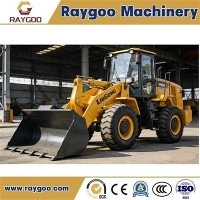
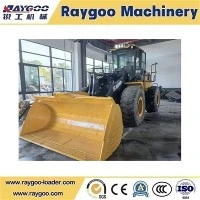
Corrosion is a common and persistent problem that can significantly affect the performance and lifespan of wheel loaders. As a wheel loader supplier, I understand the importance of preventing corrosion to ensure that our machines remain in top - notch condition for our customers. In this blog, I will share some effective strategies on how to prevent corrosion on a wheel loader.
Understanding Corrosion in Wheel Loaders
Before delving into prevention methods, it's essential to understand what causes corrosion in wheel loaders. Corrosion is an electrochemical process where metal reacts with its environment, usually oxygen and moisture, to form metal oxides. In the case of wheel loaders, the main culprits are exposure to water, chemicals in the working environment (such as salt on winter roads or acidic substances in industrial settings), and scratches or damage to the protective coating.


Regular Cleaning
One of the most basic yet crucial steps in preventing corrosion is regular cleaning. Wheel loaders operate in dirty environments, accumulating dirt, mud, and other contaminants. These substances can trap moisture against the metal surface, accelerating the corrosion process.
- Wash the Entire Machine: After each use or at least on a weekly basis, thoroughly wash the wheel loader. Use a high - pressure washer to remove dirt and debris from all parts of the machine, including the undercarriage, buckets, and hydraulic cylinders. Pay special attention to areas where dirt tends to accumulate, such as crevices and joints.
- Clean Specific Components: Clean the radiator and air filters regularly. A clogged radiator can cause the engine to overheat, and dirty air filters can reduce the machine's efficiency. Use appropriate cleaning agents to remove oil, grease, and other contaminants from these components. For example, a mild detergent can be used to clean the radiator fins, and compressed air can be used to blow out dirt from the air filters.
Protective Coatings
Applying protective coatings is an effective way to shield the wheel loader's metal surfaces from corrosion.
- Paint: A high - quality paint job can act as a barrier between the metal and the environment. When the wheel loader is new, make sure it has a durable paint finish. If there are any scratches or chips in the paint during use, touch them up immediately. Use paint that is specifically formulated for heavy - duty equipment and is resistant to abrasion and chemicals.
- Anti - Corrosion Sprays and Primers: In addition to paint, anti - corrosion sprays and primers can provide an extra layer of protection. These products can be applied to areas that are more prone to corrosion, such as the undercarriage and the edges of the buckets. They work by forming a thin film that inhibits the electrochemical reactions that cause corrosion.
Lubrication
Proper lubrication is not only important for the smooth operation of the wheel loader but also for preventing corrosion.
- Hydraulic Systems: The hydraulic system of a wheel loader contains many metal components that are in constant contact with hydraulic fluid. Ensure that the hydraulic fluid is clean and at the correct level. Change the hydraulic fluid and filters at regular intervals as recommended by the manufacturer. The hydraulic fluid also contains additives that help protect the metal components from corrosion.
- Moving Parts: Lubricate all moving parts, such as pins, bushings, and bearings. Use a high - quality lubricant that has anti - corrosion properties. Lubrication reduces friction between moving parts and also creates a protective film that prevents moisture from reaching the metal surfaces.
Storage Conditions
The way a wheel loader is stored can have a significant impact on its susceptibility to corrosion.
- Indoor Storage: Whenever possible, store the wheel loader indoors in a dry and well - ventilated area. This protects the machine from rain, snow, and other environmental factors that can cause corrosion. If indoor storage is not available, use a waterproof cover to protect the wheel loader from the elements.
- Proper Positioning: When storing the wheel loader, position it on a flat and stable surface. Avoid storing it in areas where water can accumulate around the machine. If the machine is going to be stored for an extended period, lift the buckets and other attachments off the ground to prevent them from sitting in water or dirt.
Inspection and Maintenance
Regular inspection and maintenance are key to detecting and preventing corrosion early.
- Visual Inspections: Conduct regular visual inspections of the wheel loader. Look for signs of corrosion, such as rust spots, discoloration, or flaking paint. Check areas that are more prone to corrosion, such as the welds, seams, and areas around the fuel and hydraulic lines.
- Component Checks: Inspect components such as the battery, electrical system, and fuel tanks. A corroded battery terminal can cause electrical problems, and a corroded fuel tank can lead to fuel leaks. Replace any corroded components immediately.
Training and Awareness
As a wheel loader supplier, we also provide training to our customers on how to prevent corrosion. It is important that operators are aware of the factors that can cause corrosion and the steps they can take to prevent it.
- Operator Training: Train operators on proper cleaning and maintenance procedures. Teach them how to identify early signs of corrosion and what to do if they notice any problems. Operators should also be aware of the importance of following the manufacturer's maintenance schedule.
- Safety and Corrosion Prevention: Emphasize the relationship between safety and corrosion prevention. A corroded wheel loader can be less reliable and more prone to breakdowns, which can pose a safety risk to the operator and others in the work area.
Our Product Offerings
We offer a wide range of high - quality wheel loaders, including The Used SDLG L958 Wheel Loader in Good Condtion, Wheel Loader XC958, and 3 Ton Wheel Loader. All our wheel loaders are built with corrosion - resistant materials and advanced manufacturing techniques. We also provide comprehensive after - sales service, including maintenance and repair, to ensure that our customers' wheel loaders remain in excellent condition.
If you are in the market for a wheel loader or need advice on corrosion prevention, please feel free to contact us. Our team of experts is ready to assist you in finding the right wheel loader for your needs and providing you with the best solutions for corrosion prevention. We look forward to discussing your requirements and starting a long - term partnership with you.
References
- Machinery Lubrication. "Preventing Corrosion in Heavy Equipment."
- Caterpillar Inc. "Maintenance and Operation Manuals for Wheel Loaders."
- SAE International. "Standards for Corrosion Protection in Construction Equipment."