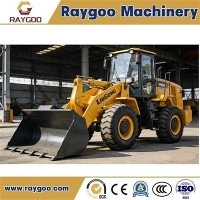
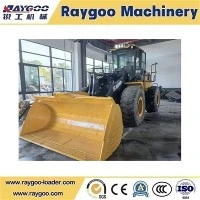
Transporting the S300 Skid Steer requires careful planning and adherence to safety protocols to ensure the equipment arrives at its destination in optimal condition. As a supplier of the S300 Skid Steer, I understand the importance of a seamless transportation process. In this blog post, I will share some key considerations and steps to help you transport the S300 Skid Steer safely and efficiently.
Pre - Transport Preparation
Inspection
Before transporting the S300 Skid Steer, a thorough inspection is essential. Check the overall condition of the machine, including the tires, tracks (if applicable), hydraulic systems, and any attachments. Look for signs of damage, leaks, or loose parts. Ensure that all safety features, such as seat belts and roll - over protection structures (ROPS), are in proper working order.
Cleaning
Clean the skid steer to remove dirt, debris, and any potential contaminants. This not only makes the machine look better but also helps prevent the spread of pests and diseases if the equipment is being transported across different regions. Additionally, a clean machine is easier to inspect for damage during transit.
Securing Attachments
If the S300 Skid Steer has any attachments, make sure they are securely fastened. Loose attachments can shift during transport, causing damage to the skid steer or other cargo. Use appropriate straps, chains, or bolts to secure the attachments in place.
Documentation
Gather all the necessary documentation, including the machine's manual, warranty information, and any permits required for transportation. If the skid steer is being transported across state or international borders, you may need to comply with specific regulations regarding customs, emissions, and safety standards.


Choosing the Right Transport Method
Trailers
One of the most common ways to transport the S300 Skid Steer is by using a trailer. There are several types of trailers available, each with its own advantages.
- Flatbed Trailers: Flatbed trailers are versatile and can accommodate a wide range of equipment sizes. They provide easy loading and unloading access, as the skid steer can be driven directly onto the trailer. However, they offer less protection from the elements compared to enclosed trailers.
- Enclosed Trailers: Enclosed trailers protect the skid steer from weather conditions, road debris, and theft. They are a good option if the equipment needs to be transported over long distances or in adverse weather. However, they are generally more expensive and may have limited access for loading and unloading.
When choosing a trailer, consider the weight and dimensions of the S300 Skid Steer. Make sure the trailer has a sufficient weight capacity to handle the skid steer and any additional equipment or attachments.
Professional Transport Services
If you do not have the equipment or expertise to transport the S300 Skid Steer yourself, you can hire a professional transport service. These companies have the experience and specialized equipment to handle the transportation of heavy machinery safely. They can also take care of all the necessary paperwork and permits, saving you time and hassle.
Loading the S300 Skid Steer
Trailer Preparation
Before loading the skid steer, prepare the trailer by ensuring it is clean, level, and in good condition. Check the trailer's brakes, lights, and tires to make sure they are functioning properly. Place any necessary padding or protection on the trailer to prevent scratches or damage to the skid steer.
Loading Process
- Positioning: Position the skid steer in front of the trailer at a straight angle. Make sure the trailer's ramp is securely attached and stable.
- Driving Onto the Trailer: Slowly drive the skid steer onto the trailer using the ramp. Keep the machine centered on the trailer to maintain balance.
- Securing the Skid Steer: Once the skid steer is on the trailer, use straps or chains to secure it in place. Attach the straps or chains to the designated tie - down points on the skid steer and the trailer. Make sure the straps are tight but not so tight that they damage the skid steer.
During Transport
Monitoring
If you are transporting the skid steer yourself, make regular stops to check the straps or chains and ensure the skid steer is still secure. Monitor the trailer's brakes, lights, and tires throughout the journey. If you are using a professional transport service, ask for updates on the status of the shipment.
Speed and Driving Conditions
Drive at a safe speed and avoid sudden stops or starts. Be aware of road conditions, such as potholes or uneven surfaces, which can cause the skid steer to shift on the trailer. If you encounter adverse weather conditions, such as heavy rain or snow, take extra precautions and consider delaying the transport if necessary.
Unloading the S300 Skid Steer
Inspection
Before unloading the skid steer, inspect the trailer and the skid steer for any signs of damage that may have occurred during transport.
Unloading Process
- Releasing the Straps or Chains: Carefully release the straps or chains that were used to secure the skid steer.
- Driving Off the Trailer: Slowly drive the skid steer off the trailer using the ramp. Make sure the ramp is stable and the skid steer is centered as it exits the trailer.
Conclusion
Transporting the S300 Compact Loader requires attention to detail and a commitment to safety. By following these steps, you can ensure that the equipment is transported safely and arrives at its destination in good condition. If you have any questions or need assistance with transporting the S300 Skid Steer, feel free to contact us. We are here to help you with all your skid steer needs and can provide you with more information on purchasing or transporting this versatile piece of equipment. Whether you are a contractor looking to expand your fleet or a business owner in need of reliable machinery, the S300 Skid Steer is a great choice. Get in touch with us to start the conversation about your purchase and transport requirements.
References
- Bobcat Equipment Manuals
- Transport Regulations and Guidelines from Local and Federal Authorities