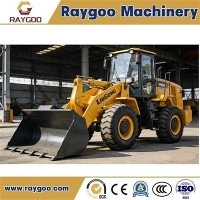
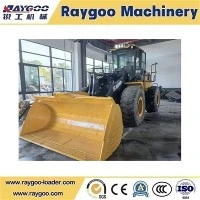
As a supplier of Bobcat skid steers, I've had the privilege of witnessing these versatile machines in action across a wide range of industries. One of the most critical components of a Bobcat skid steer is its bucket, and keeping the cutting edges sharp is essential for optimal performance. In this blog post, I'll share some insights on how to sharpen the cutting edges on a Bobcat skid steer's bucket.
Understanding the Importance of Sharp Cutting Edges
Before delving into the sharpening process, it's crucial to understand why sharp cutting edges are so important. A sharp bucket cutting edge can significantly improve the efficiency and productivity of your Bobcat skid steer. It allows the machine to penetrate materials more easily, reducing the amount of force required to dig, scoop, and load. This not only saves time and energy but also minimizes wear and tear on the skid steer's components.
Additionally, sharp cutting edges provide a cleaner and more precise cut, resulting in better-quality work. Whether you're working on a construction site, a landscaping project, or a agricultural application, a sharp bucket can make a noticeable difference in the final outcome.
Assessing the Condition of the Cutting Edges
The first step in sharpening the cutting edges on a Bobcat skid steer's bucket is to assess their condition. Over time, the cutting edges can become dull, worn, or damaged due to regular use. Inspect the edges carefully for signs of wear, such as rounded corners, nicks, or chips. If the edges are severely worn or damaged, they may need to be replaced rather than sharpened.


It's also important to check the alignment of the cutting edges. Misaligned edges can cause uneven wear and reduce the effectiveness of the bucket. Use a straightedge or a level to ensure that the edges are straight and parallel. If the edges are misaligned, they may need to be adjusted or realigned before sharpening.
Gathering the Necessary Tools and Materials
Once you've assessed the condition of the cutting edges, it's time to gather the necessary tools and materials for sharpening. Here are some of the tools and materials you'll need:
- Grinder: A grinder is the most common tool used for sharpening bucket cutting edges. Choose a grinder with a suitable wheel for the type of material you'll be sharpening. For steel cutting edges, a grinding wheel with a medium grit is usually recommended.
- Safety Equipment: Sharpening a bucket cutting edge can be a dangerous task, so it's important to wear appropriate safety equipment. This includes safety glasses, gloves, and a dust mask to protect yourself from flying debris and dust.
- Measuring Tools: You'll need a measuring tool, such as a protractor or a bevel gauge, to ensure that you're sharpening the edges at the correct angle. The recommended angle for sharpening a Bobcat skid steer bucket cutting edge is typically between 30 and 45 degrees.
- Cleaning Supplies: Before sharpening the cutting edges, it's important to clean them thoroughly to remove any dirt, debris, or rust. You can use a wire brush, a degreaser, or a pressure washer to clean the edges.
Sharpening the Cutting Edges
Now that you have all the necessary tools and materials, it's time to start sharpening the cutting edges. Here's a step-by-step guide on how to do it:
- Secure the Bucket: Make sure the Bobcat skid steer is parked on a level surface and the engine is turned off. Use a jack or a stand to secure the bucket in a stable position.
- Clean the Cutting Edges: Use a wire brush, a degreaser, or a pressure washer to clean the cutting edges thoroughly. This will remove any dirt, debris, or rust that could affect the sharpening process.
- Mark the Sharpening Angle: Use a protractor or a bevel gauge to mark the desired sharpening angle on the cutting edges. The recommended angle for sharpening a Bobcat skid steer bucket cutting edge is typically between 30 and 45 degrees.
- Start Sharpening: Turn on the grinder and hold it at the marked angle against the cutting edge. Move the grinder back and forth along the edge, applying light pressure. Make sure to keep the grinder moving to avoid overheating the edge.
- Check the Progress: Periodically stop sharpening and check the progress of the edge. Use a straightedge or a level to ensure that the edge is straight and parallel. If the edge is not straight, adjust the angle of the grinder and continue sharpening.
- Finish Sharpening: Once you've achieved the desired sharpness, turn off the grinder and let the edge cool down. Use a wire brush to remove any burrs or debris from the edge.
- Repeat the Process: Repeat the sharpening process on the other cutting edge of the bucket. Make sure to maintain the same angle and pressure for both edges.
Maintaining the Sharpness of the Cutting Edges
Sharpening the cutting edges on a Bobcat skid steer's bucket is not a one-time task. To ensure optimal performance, it's important to maintain the sharpness of the edges on a regular basis. Here are some tips on how to do it:
- Inspect the Edges Regularly: Check the cutting edges for signs of wear, damage, or dullness on a regular basis. If you notice any issues, sharpen or replace the edges as soon as possible.
- Clean the Edges After Each Use: After each use, clean the cutting edges thoroughly to remove any dirt, debris, or rust. This will help prevent corrosion and keep the edges sharp.
- Store the Bucket Properly: When the Bobcat skid steer is not in use, store the bucket in a dry, protected area. This will help prevent the cutting edges from rusting or becoming damaged.
- Use the Right Attachments: Using the right attachments for the job can help reduce wear and tear on the cutting edges. For example, using a toothbar or a scarifier can help break up tough materials without putting too much stress on the edges.
Conclusion
Sharpening the cutting edges on a Bobcat skid steer's bucket is an important part of maintaining the machine's performance and productivity. By following the steps outlined in this blog post, you can ensure that your bucket cutting edges are sharp and in good condition. Remember to always wear appropriate safety equipment when sharpening the edges, and to maintain the sharpness of the edges on a regular basis.
If you're in the market for a Bobcat skid steer, I invite you to check out our S300 Compact Loader and S300 Skid Steer. These machines are known for their reliability, versatility, and performance, and they come with a range of features and attachments to meet your specific needs.
If you have any questions or would like to learn more about our Bobcat skid steers or other equipment, please don't hesitate to contact us. We're here to help you find the right solution for your business.
References
- Bobcat Operator's Manual
- Bobcat Parts Catalog
- Industry best practices for skid steer maintenance and operation