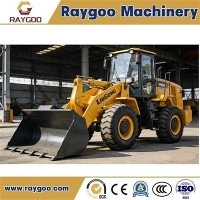
Hey there! As a supplier of large wheel loaders, I've seen firsthand how these powerful machines handle heavy materials with ease. In this blog, I'll break down the ins and outs of how a large wheel loader gets the job done when it comes to moving hefty loads.
The Basics of a Large Wheel Loader
First off, let's talk about what makes a large wheel loader so special. These beasts are designed to tackle big jobs. They've got a sturdy frame, large wheels for stability and mobility, and a powerful engine under the hood. The size and power of these machines allow them to handle a wide range of heavy materials, from rocks and gravel to sand and construction debris.
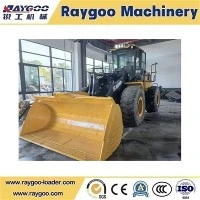
One of the key components of a large wheel loader is the bucket. The bucket is attached to the front of the machine and is used to scoop up and carry the heavy materials. It comes in different sizes and shapes, depending on the type of material being handled and the specific job requirements. For example, a wider bucket might be used for handling loose materials like sand, while a narrower, deeper bucket could be better for moving rocks or dense materials.
The Process of Handling Heavy Materials
So, how does a large wheel loader actually handle heavy materials? Let's walk through the process step by step.
1. Approaching the Material
The first step is for the operator to drive the wheel loader towards the pile of heavy materials. The operator needs to have a good sense of the terrain and the size of the pile to position the machine correctly. They'll use the controls to maneuver the loader into the right spot, making sure the bucket is at the right height and angle.
2. Scooping Up the Material
Once the loader is in position, the operator lowers the bucket to the ground and drives forward. The bucket digs into the pile of materials, and the operator uses the hydraulic system to lift the bucket, scooping up as much material as possible. The hydraulic system is what gives the loader the power to lift heavy loads. It uses pressurized fluid to move the arms and the bucket, allowing for smooth and precise operation.
3. Transporting the Material
After scooping up the material, the operator drives the loader to the desired location. This could be a dump truck, a storage area, or a construction site. The loader needs to be driven carefully, especially when carrying a heavy load, to maintain stability and prevent spills. The large wheels and the well-designed suspension system help the loader navigate different terrains, whether it's a smooth road or a rough construction site.
4. Dumping the Material
When the loader reaches the destination, the operator uses the hydraulic controls to tilt the bucket and dump the material. The angle of the dump can be adjusted depending on where the material needs to go. For example, if it's being loaded into a dump truck, the operator will need to make sure the material is dumped evenly into the truck's bed.
The Technology Behind the Handling
Large wheel loaders are equipped with advanced technology that makes handling heavy materials more efficient and safer. One of the key technologies is the engine. Modern wheel loaders are powered by high-performance engines that provide the necessary power and torque to lift and move heavy loads. These engines are also designed to be fuel-efficient, which helps to reduce operating costs.
Another important technology is the hydraulic system. As mentioned earlier, the hydraulic system is responsible for moving the arms and the bucket. It allows for precise control of the loader's movements, making it easier for the operator to handle heavy materials. The hydraulic system is also designed to be durable and reliable, even under heavy use.
In addition, many large wheel loaders are now equipped with advanced control systems. These systems can monitor the performance of the loader, provide real-time feedback to the operator, and even adjust the settings automatically to optimize performance. For example, the control system might adjust the engine speed or the hydraulic pressure based on the load being carried.


Examples of Large Wheel Loaders
At our company, we offer a range of large wheel loaders that are designed to handle heavy materials. One of our popular models is the Wheel Loader XCMG LW700KN. This loader is known for its powerful engine, large bucket capacity, and advanced hydraulic system. It can handle heavy loads with ease, making it a great choice for construction sites, mining operations, and other heavy-duty applications.
Another model is the 10 Ton Wheel Loader. As the name suggests, this loader has a large capacity and can handle up to 10 tons of material at a time. It's designed for tough jobs and is built to last. The 10 Ton Wheel Loader is also equipped with advanced features that make it easy to operate and maintain.
We also have the Wheel Loader XCMG LW600KV. This loader combines power, performance, and efficiency. It's got a well-designed bucket that can scoop up large amounts of material quickly, and its hydraulic system provides smooth and precise operation. The Wheel Loader XCMG LW600KV is a popular choice for a variety of applications, from construction to mining.
Conclusion
In conclusion, large wheel loaders are amazing machines that are capable of handling heavy materials with ease. They use a combination of powerful engines, advanced hydraulic systems, and well-designed buckets to scoop up, transport, and dump heavy loads. The technology behind these machines continues to evolve, making them more efficient, safer, and easier to operate.
If you're in the market for a large wheel loader to handle heavy materials, we'd love to hear from you. Our team of experts can help you choose the right loader for your specific needs and provide you with all the information you need to make an informed decision. Whether you're working on a construction site, a mining operation, or any other heavy-duty application, we've got the right loader for you. So, don't hesitate to reach out and start the conversation!
References
- Construction Equipment Handbook
- Wheel Loader Manufacturer's Manuals