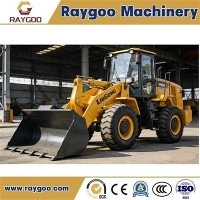
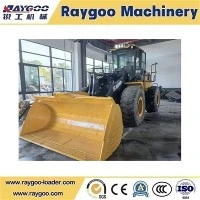
Hey there! As a medium wheel loader supplier, I've had my fair share of experience with both medium and large wheel loaders. In this blog, I'm gonna break down how these two types stack up against each other, so you can make a more informed decision when it comes to your equipment needs.
Size and Maneuverability
First off, let's talk about size. Medium wheel loaders are, well, medium-sized. They're not as massive as large wheel loaders, which gives them a big edge in terms of maneuverability. In tight spaces like small construction sites, narrow alleys, or confined warehouses, a medium wheel loader can easily zip around. It can turn on a dime and get into spots where a large wheel loader would struggle.
For example, if you're working on a renovation project in an old building, the 3 Ton Wheel Loader XCMG LW300FN can navigate through the limited space with ease. Its compact design allows it to access areas that are off - limits to larger machines. On the other hand, large wheel loaders are built for open - field work. They're great for big mining operations or large - scale construction sites where there's plenty of room to move around.


Capacity and Power
When it comes to capacity, large wheel loaders take the cake. They have larger buckets and can carry more material in a single load. This means fewer trips back and forth to the dumping area, which can save a lot of time on big projects. If you're dealing with large - volume material handling, like moving tons of gravel or coal in a mining operation, a large wheel loader is the way to go.
However, medium wheel loaders aren't slouches either. They have enough power and capacity for most medium - scale projects. The Lonking Wheel Loader ZL50NC has a decent bucket capacity that can handle a good amount of material. It's powerful enough to lift and move heavy loads, but it's also more fuel - efficient compared to large wheel loaders.
Fuel Efficiency
Fuel efficiency is a big deal, especially with the rising cost of fuel. Medium wheel loaders generally use less fuel than large wheel loaders. Their smaller engines and lighter weight mean they don't guzzle as much gas. This can result in significant cost savings over time, especially if you're using the loader for long hours every day.
Large wheel loaders, due to their massive engines and heavy - duty operations, consume more fuel. But in some cases, the increased productivity they offer on large projects can offset the higher fuel costs. Still, if you're on a tight budget or working on a project with limited fuel resources, a medium wheel loader might be the better choice.
Cost
The cost is another important factor to consider. Medium wheel loaders are generally more affordable than large wheel loaders. The initial purchase price is lower, and they also tend to have lower maintenance costs. You don't need as much specialized equipment or as many spare parts for a medium wheel loader.
Large wheel loaders, being more complex and powerful, come with a higher price tag. They also require more expensive maintenance and repairs. If you're just starting out in the construction or mining business and don't have a huge budget, a medium wheel loader like the Wheel Loader XCMG LW500HV - super can be a great investment.
Versatility
Medium wheel loaders are incredibly versatile. They can be used for a wide range of tasks, from loading and unloading materials to grading and leveling. You can attach different types of attachments, like forks or grapples, to make them even more useful. This makes them a great all - around machine for small to medium - sized businesses.
Large wheel loaders, while powerful, are more specialized. They're mainly designed for heavy - duty material handling and large - scale earthmoving. They might not be as adaptable to different tasks as medium wheel loaders.
Operator Comfort
Operator comfort is often overlooked but is crucial for productivity. Medium wheel loaders usually have a more ergonomic design, which means the operator can work for longer hours without getting as tired. The controls are easier to reach, and the cab is more comfortable.
Large wheel loaders, due to their size and complexity, can sometimes have a less user - friendly cab layout. However, many modern large wheel loaders are now being designed with improved operator comfort in mind.
Maintenance and Serviceability
Medium wheel loaders are generally easier to maintain. Their components are more accessible, and you don't need as much specialized knowledge or equipment to perform maintenance tasks. This means less downtime and lower maintenance costs.
Large wheel loaders, with their complex systems and large - scale components, require more in - depth maintenance and often need specialized technicians. This can lead to longer downtime if there's a problem.
Conclusion
So, which one is better? Well, it depends on your specific needs. If you're working on a large - scale project with plenty of space and a big budget, a large wheel loader might be the right choice. But if you're dealing with tight spaces, have a limited budget, or need a versatile machine for medium - scale projects, a medium wheel loader is the way to go.
As a medium wheel loader supplier, I can offer you high - quality medium wheel loaders that are reliable, efficient, and cost - effective. If you're interested in learning more about our products or have any questions, feel free to reach out. We're here to help you find the perfect wheel loader for your business.
References
- Construction Equipment Magazine
- Mining Journal
- Heavy Machinery Handbook