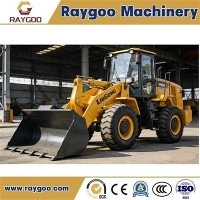
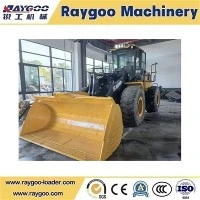
Hey there! As a supplier of medium wheel loaders, I often get asked about how much fuel these machines consume per hour. It's a super important question, especially for those looking to manage their operating costs. In this blog, I'll break down the factors that affect fuel consumption in medium wheel loaders and give you a rough idea of what to expect.
What is a Medium Wheel Loader?
Before we dive into fuel consumption, let's quickly define what a medium wheel loader is. These are versatile machines used in construction, mining, and agricultural industries. They're typically sized between small and large loaders, with a payload capacity that can range from around 3 to 6 tons. They're known for their maneuverability, power, and ability to handle a variety of tasks, from moving dirt and gravel to loading trucks.
Factors Affecting Fuel Consumption
There are several factors that can influence how much fuel a medium wheel loader uses per hour. Let's take a look at some of the most significant ones:
1. Machine Size and Capacity
Bigger isn't always better when it comes to fuel efficiency. Medium wheel loaders come in different sizes and payload capacities. Generally, larger loaders with higher capacities will consume more fuel because they require more power to operate. For example, a 5 Ton Wheel Loader will typically use more fuel than a smaller 3-ton model.
2. Engine Power
The engine is the heart of the wheel loader, and its power rating plays a crucial role in fuel consumption. A more powerful engine can provide greater performance but will also burn more fuel. Modern medium wheel loaders are equipped with engines that are designed to balance power and efficiency. However, if you're using a loader with a high-horsepower engine for light-duty tasks, you may be wasting fuel.
3. Operating Conditions
The environment in which the wheel loader is used can have a significant impact on fuel consumption. Working on rough terrain, in extreme temperatures, or at high altitudes can all increase the engine's workload and, therefore, fuel usage. For instance, operating a loader on a steep incline requires more power to move the machine and its load, resulting in higher fuel consumption.
4. Load and Workload
The amount of material being moved and the frequency of loading and unloading operations also affect fuel consumption. A loader that is constantly carrying heavy loads or performing repetitive tasks will use more fuel than one that is used intermittently or for lighter loads. Additionally, the way the operator handles the loader can make a difference. Aggressive driving, such as rapid acceleration and braking, can waste fuel.
5. Maintenance and Tuning
Proper maintenance is essential for keeping a wheel loader running efficiently. A well-maintained engine with clean filters, properly inflated tires, and correctly adjusted components will consume less fuel. Regular tune-ups can also ensure that the engine is operating at its optimal level, reducing fuel consumption.
Average Fuel Consumption Rates
So, how much fuel does a medium wheel loader consume per hour? It's difficult to give an exact figure because of the many variables involved. However, based on industry data and our experience as a supplier, a medium wheel loader typically consumes between 6 and 12 gallons of diesel fuel per hour.
For example, a standard medium wheel loader with a 150 - 200 horsepower engine operating under normal conditions (flat terrain, moderate loads) might consume around 8 gallons of fuel per hour. On the other hand, a larger, more powerful loader working in challenging conditions could use up to 12 gallons or more per hour.
Let's take a look at some specific models:
- The Wheel Loader XCMG LW500HV - super is a popular medium wheel loader known for its efficiency. Under typical operating conditions, it can consume around 7 - 9 gallons of fuel per hour.
- The Used WA470 - 3 Wheel Loader is another well - regarded model. Its fuel consumption can vary depending on its age, condition, and how it's used, but generally, it falls within the 8 - 10 gallons per hour range.
Tips to Reduce Fuel Consumption
If you're looking to cut down on fuel costs for your medium wheel loader, here are some tips:
- Proper Training: Make sure your operators are trained to handle the loader efficiently. Smooth driving, avoiding unnecessary idling, and using the correct gear can all save fuel.
- Match the Machine to the Task: Use the appropriate size and capacity loader for the job. Don't use a large loader for small - scale tasks.
- Regular Maintenance: Keep the loader in top condition by following the manufacturer's maintenance schedule. This includes changing filters, checking tire pressure, and servicing the engine.
- Optimize Workflow: Plan your operations to minimize the distance the loader has to travel and the number of unnecessary movements.
Conclusion
Fuel consumption in medium wheel loaders is influenced by a variety of factors, including machine size, engine power, operating conditions, and workload. While the average fuel consumption per hour can range from 6 to 12 gallons, it's important to consider these variables to get a more accurate estimate for your specific situation.
If you're in the market for a medium wheel loader and want to learn more about fuel efficiency or any other aspects of these machines, we're here to help. We have a wide range of high - quality medium wheel loaders to suit your needs. Whether you're looking for a new or used model, we can provide you with detailed information and assistance. Feel free to reach out to us to start the conversation about your next wheel loader purchase.


References
- Industry reports on construction equipment fuel efficiency.
- Manufacturer specifications for medium wheel loaders.