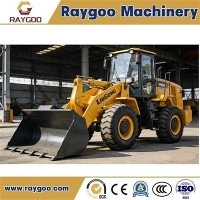
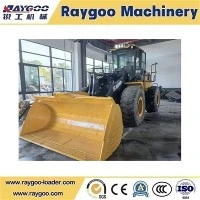
When it comes to the operation of a wheel loader, one of the most frequently asked questions is, "How much fuel does a wheel loader consume per hour?" As a wheel loader supplier, I understand that this is a crucial concern for our customers. Fuel consumption directly impacts the operating costs of a wheel loader, and understanding it can help businesses plan their budgets more effectively.
Factors Affecting Fuel Consumption
The fuel consumption of a wheel loader per hour is not a fixed value; it varies depending on several factors. These factors can be broadly categorized into machine - related factors and operational factors.
Machine - Related Factors
-
Engine Size and Power
The engine is the heart of a wheel loader, and its size and power play a significant role in fuel consumption. Generally, larger engines with higher power outputs consume more fuel. For example, a wheel loader with a powerful 200 - horsepower engine will typically use more fuel per hour than one with a 150 - horsepower engine. This is because the larger engine has to burn more fuel to generate the additional power. -
Machine Design and Efficiency
Modern wheel loaders are designed with advanced technologies to improve fuel efficiency. Some models feature intelligent engine management systems that adjust the engine's performance based on the load and operating conditions. For instance, the SDLG LG956L Wheel Loader is equipped with a fuel - efficient engine and a well - designed hydraulic system, which helps to reduce fuel consumption during operation. -
Age and Condition of the Machine
An older wheel loader or one in poor condition may consume more fuel. As the machine ages, the engine components may wear out, and the hydraulic system may develop leaks or inefficiencies. Regular maintenance, such as changing the air filters, fuel filters, and engine oil, can help keep the machine in good condition and optimize fuel consumption.
Operational Factors
-
Load and Workload
The amount of material the wheel loader is handling and the intensity of the work have a direct impact on fuel consumption. When the loader is carrying heavy loads or performing continuous, strenuous tasks, the engine has to work harder, resulting in higher fuel consumption. For example, loading large amounts of gravel into a truck will consume more fuel than moving a small pile of sand. -
Operating Conditions
The terrain and environment in which the wheel loader operates also affect fuel consumption. Working on rough, uneven terrain or in extreme weather conditions, such as high temperatures or cold weather, can increase fuel usage. In hot weather, the engine may need to work harder to cool itself, while in cold weather, the engine may take longer to reach its optimal operating temperature, both of which can lead to increased fuel consumption. -
Operator Skills
The skills of the operator can significantly influence fuel consumption. A skilled operator knows how to operate the wheel loader smoothly, avoiding unnecessary acceleration and deceleration. They can also optimize the loading and unloading processes, reducing the time the engine runs at high power. On the other hand, an inexperienced operator may waste fuel by using the machine inefficiently.
Typical Fuel Consumption Ranges
Based on our experience as a wheel loader supplier, the fuel consumption of a wheel loader per hour can range from 5 to 30 liters, depending on the factors mentioned above.
-
Small - Sized Wheel Loaders
Small - sized wheel loaders, with engine powers typically ranging from 50 to 100 horsepower, usually consume around 5 to 10 liters of fuel per hour under normal operating conditions. These loaders are often used for light - duty tasks, such as small - scale construction projects or landscaping work. -
Medium - Sized Wheel Loaders
Medium - sized wheel loaders, with engine powers between 100 and 200 horsepower, consume approximately 10 to 20 liters of fuel per hour. The Wheel Loader XC958 falls into this category. These loaders are suitable for a wide range of applications, including general construction, mining, and material handling. -
Large - Sized Wheel Loaders
Large - sized wheel loaders, with engine powers above 200 horsepower, can consume 20 to 30 liters of fuel per hour or even more, especially when working under heavy - load conditions. These loaders are commonly used in large - scale mining and construction projects.
How to Reduce Fuel Consumption
As a wheel loader supplier, we are committed to helping our customers reduce their operating costs by minimizing fuel consumption. Here are some tips:
-
Choose the Right Machine
Select a wheel loader that is appropriate for your specific application. Avoid using an oversized loader for light - duty tasks, as this will result in unnecessary fuel consumption. -
Maintain the Machine Regularly
Follow the manufacturer's recommended maintenance schedule. Regularly check and replace worn - out parts, keep the engine properly tuned, and ensure that the hydraulic system is leak - free. -
Train Operators
Provide training to your operators on fuel - efficient operating techniques. Teach them how to operate the loader smoothly, use the gears effectively, and avoid idling the engine for extended periods. -
Optimize Work Processes
Plan your work processes to minimize the distance the loader has to travel and the number of cycles it has to complete. This can help reduce the overall fuel consumption.
Case Study: The Used SDLG L958 Wheel Loader in Good Condtion
One of our customers, a construction company, purchased a used SDLG L958 Wheel Loader in Good Condtion. Before using the loader, they conducted a fuel consumption test under normal operating conditions. The test showed that the loader consumed approximately 15 liters of fuel per hour.
The company then implemented a series of fuel - saving measures, including regular maintenance, operator training, and work process optimization. After a few months of operation, they found that the fuel consumption had decreased to around 12 liters per hour, resulting in significant cost savings.
Conclusion
In conclusion, the fuel consumption of a wheel loader per hour depends on various factors, including machine - related factors and operational factors. By understanding these factors and implementing fuel - saving measures, businesses can reduce their operating costs and improve the efficiency of their wheel loader operations.


If you are interested in purchasing a wheel loader or have any questions about fuel consumption, please feel free to contact us. We are here to provide you with professional advice and high - quality products.
References
- Manufacturer's specifications of various wheel loader models.
- Industry reports on wheel loader fuel consumption.
- Interviews with wheel loader operators and industry experts.