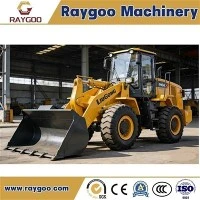
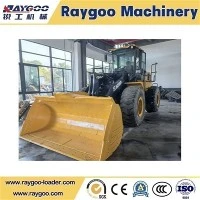
Hey there! As a supplier of 6 Ton Wheel Loaders, I often get asked about various maintenance and adjustment tasks. One common question is how to adjust the bucket angle on a 6 Ton Wheel Loader. In this blog post, I'm gonna walk you through the process step by step.
First off, let's talk about why adjusting the bucket angle is important. A proper bucket angle can significantly improve the loader's efficiency. It helps in scooping up materials more effectively, reducing spillage, and making the whole loading process smoother. Whether you're working on a construction site, a mining operation, or a waste management facility, getting the bucket angle right can save you time and money.


Tools You'll Need
Before you start adjusting the bucket angle, you'll need a few tools. These include a socket wrench set, a torque wrench, a pry bar, and a measuring tape. Make sure you have all these tools handy before you begin. Safety first, so also wear appropriate safety gear like gloves and safety glasses.
Step 1: Inspect the Loader
Before you start making any adjustments, it's crucial to inspect the 6 Ton Wheel Loader thoroughly. Check for any signs of damage or wear on the bucket, the hydraulic cylinders, and the linkage. If you notice any cracks, leaks, or other issues, it's best to address them before proceeding with the angle adjustment. You can find more information about our 6 Ton Wheel Loader on our website.
Step 2: Locate the Adjustment Points
The next step is to locate the adjustment points on the loader. These are usually found on the hydraulic cylinders or the linkage that connects the bucket to the loader. Refer to the loader's manual for the exact location of the adjustment points. In most cases, there will be nuts and bolts that you can loosen or tighten to change the bucket angle.
Step 3: Measure the Current Angle
Before you make any adjustments, it's a good idea to measure the current bucket angle. You can use a protractor or a measuring tape to do this. This will give you a baseline to work from and help you determine how much adjustment is needed. Write down the measurements so you can refer to them later.
Step 4: Make the Adjustments
Once you've located the adjustment points and measured the current angle, it's time to start making the adjustments. Use the socket wrench to loosen the nuts and bolts at the adjustment points. Then, use the pry bar to gently move the bucket to the desired angle. Make small adjustments at a time and check the angle frequently using the measuring tape or protractor.
Step 5: Tighten the Adjustment Points
After you've achieved the desired bucket angle, use the torque wrench to tighten the nuts and bolts at the adjustment points. Make sure you tighten them to the recommended torque specification. Over-tightening can cause damage to the loader, while under-tightening can result in the bucket angle changing during operation.
Step 6: Test the Loader
Once you've tightened the adjustment points, it's time to test the loader. Start the engine and operate the loader as you normally would. Pay close attention to how the bucket scoops up materials and how it dumps them. If you notice any issues, such as spillage or difficulty in scooping, you may need to make further adjustments.
Tips and Tricks
- Regular Maintenance: Adjusting the bucket angle is just one part of maintaining your 6 Ton Wheel Loader. Make sure you follow the manufacturer's recommended maintenance schedule to keep the loader in top condition.
- Practice Makes Perfect: Adjusting the bucket angle takes some practice. Don't be afraid to make small adjustments and test the loader until you get the angle just right.
- Seek Professional Help: If you're not comfortable making the adjustments yourself, or if you encounter any problems during the process, don't hesitate to seek professional help. Our team of experts is always available to assist you.
Other Loaders in Our Range
In addition to our 6 Ton Wheel Loader, we also offer a 8-ton Bucket Loader for those who need a more powerful machine. And if you're looking for a reliable and efficient loader, check out our Lonking Wheel Loader ZL50NC.
Contact Us for Purchase
If you're interested in purchasing a 6 Ton Wheel Loader or any of our other products, we'd love to hear from you. Our team of sales experts can provide you with more information, answer your questions, and help you find the right loader for your needs. Whether you're a small business owner or a large construction company, we have the perfect solution for you.
References
- Manufacturer's manual for the 6 Ton Wheel Loader
- Industry best practices for wheel loader maintenance and adjustment