As a used loader supplier, I understand the critical importance of thoroughly checking the differential of a used loader before making a sale. The differential is a key component in a loader, responsible for allowing the wheels to rotate at different speeds while turning, which is essential for smooth and efficient operation. In this blog, I'll share with you some professional methods on how to check the differential of a used loader.
Visual Inspection
The first step in checking the differential of a used loader is a visual inspection. Start by looking for any signs of external damage, such as cracks or dents on the differential housing. A damaged housing can lead to leaks and other serious problems. Check for oil leaks around the differential. Oil stains or puddles under the loader near the differential area are clear indicators of a potential issue. If there are leaks, it could mean that the seals are worn out or damaged, which may require immediate replacement.
Inspect the driveshafts that connect to the differential. Look for any signs of excessive play, bending, or damage. Worn - out driveshafts can cause vibrations and uneven power distribution, which will affect the performance of the loader. Also, check the condition of the bolts and nuts that secure the differential to the loader's frame. Loose or missing fasteners can lead to instability and further damage to the differential.
Fluid Analysis
The differential fluid plays a crucial role in lubricating and cooling the internal components of the differential. Check the fluid level using the dipstick if available. Low fluid levels can indicate a leak or excessive wear of the internal components. If the fluid is low, add the appropriate type of fluid as recommended by the loader's manufacturer.
Examine the color and consistency of the differential fluid. Fresh differential fluid is usually a clear and clean color. If the fluid is dark, dirty, or has a burnt smell, it could be a sign of internal wear. Metal shavings or debris in the fluid are also a red flag, indicating that the gears or bearings inside the differential are wearing out. In such cases, it is advisable to have the differential disassembled and inspected further by a professional mechanic.
Noise and Vibration Checks
When the loader is running, pay close attention to any unusual noises coming from the differential area. A whining, growling, or clunking sound can indicate problems with the gears, bearings, or other internal components. Whining noises may be caused by worn - out gears, while growling or clunking sounds could be a sign of loose or damaged bearings.


Vibration is another symptom to watch for. Excessive vibration while the loader is in motion, especially during turns, can suggest an imbalance or misalignment in the differential. If you notice any abnormal noise or vibration, it is important to stop the loader immediately and have it inspected to prevent further damage.
Operational Testing
Take the loader for a test drive to evaluate the performance of the differential under normal operating conditions. Pay attention to how the loader handles turns. A properly functioning differential allows the wheels to turn smoothly without any binding or excessive resistance. If you feel that the loader is difficult to turn or if there is a jerky motion during turns, it could be a sign of a differential problem.
During the test drive, also check the acceleration and deceleration of the loader. A faulty differential can cause uneven power distribution, resulting in poor acceleration or difficulty in maintaining speed. Notice if there are any sudden changes in the power delivery, which could indicate internal issues within the differential.
Professional Inspection
If you are not confident in your ability to perform a comprehensive check of the differential, it is highly recommended to seek the help of a professional mechanic. A professional has the necessary tools and expertise to disassemble the differential and conduct a detailed inspection of the internal components, such as gears, bearings, and seals.
A professional inspection can also include advanced diagnostic tests, such as using a borescope to examine hard - to - reach areas inside the differential. They can accurately identify any hidden problems and provide a detailed report on the condition of the differential, which is invaluable when making a decision about the purchase or sale of a used loader.
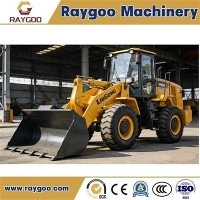
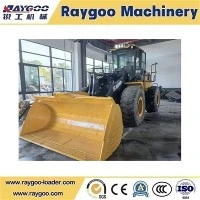
As a used loader supplier, I always ensure that every loader I offer has undergone a thorough differential check. For example, our 5Ton FL956F wheelloader has been inspected using the methods described above to guarantee its quality and performance.
If you are interested in purchasing a used loader and want to learn more about the differential or other aspects of the loader, feel free to contact me. I am more than happy to provide you with detailed information and answer any questions you may have. Our team is dedicated to helping you find the right used loader that meets your needs and budget. Whether you are a construction company looking for a reliable loader for your projects or an individual in need of a loader for personal use, we have the expertise and inventory to assist you. Don't hesitate to reach out and start the procurement negotiation process.
References
- Manufacturer's manuals for used loaders
- Industry - standard maintenance guides for construction equipment
- Professional automotive and construction equipment repair handbooks