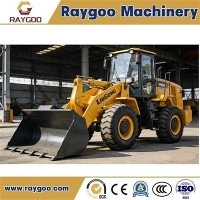
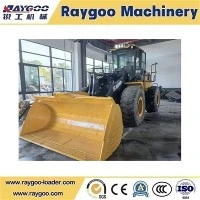
As a supplier of the Wheel Loader Zl50gn, I understand the importance of stability during its operation. A stable wheel loader not only enhances work efficiency but also ensures the safety of operators and the longevity of the equipment. In this blog, I will share some practical tips on how to improve the stability of the Wheel Loader Zl50gn during operation.
1. Proper Loading and Weight Distribution
One of the primary factors affecting the stability of the Wheel Loader Zl50gn is the way it is loaded. Uneven weight distribution can cause the loader to tip over, especially when operating on uneven terrain or making sharp turns. Therefore, it is crucial to ensure that the load is evenly distributed across the bucket.
- Center the Load: When scooping up materials, try to center the load in the bucket. This helps to maintain the balance of the loader and reduces the risk of tipping. Avoid overloading one side of the bucket, as this can create an imbalance and compromise stability.
- Avoid Overloading: Overloading the Wheel Loader Zl50gn can also affect its stability. Refer to the manufacturer's specifications for the maximum load capacity of the loader and ensure that you do not exceed this limit. Overloading can put excessive stress on the tires, axles, and other components, leading to premature wear and tear and increasing the risk of accidents.
2. Tire Maintenance
The tires of the Wheel Loader Zl50gn play a vital role in its stability. Proper tire maintenance ensures good traction, reduces the risk of skidding, and helps to distribute the weight of the loader evenly.
- Check Tire Pressure Regularly: Maintaining the correct tire pressure is essential for optimal performance and stability. Underinflated tires can cause the loader to sway and reduce its stability, while overinflated tires can lead to a harsh ride and increased wear on the tires. Refer to the manufacturer's recommendations for the correct tire pressure and check it regularly using a tire pressure gauge.
- Inspect Tire Tread: The tread depth of the tires affects their traction on different surfaces. Worn-out tires with low tread depth can reduce the loader's stability, especially on wet or slippery surfaces. Inspect the tire tread regularly and replace the tires when the tread depth reaches the minimum recommended level.
- Rotate Tires: Regularly rotating the tires helps to ensure even wear and extends their lifespan. This also helps to maintain the stability of the loader by ensuring that all tires have similar traction and performance characteristics.
3. Operating on Different Terrains
The stability of the Wheel Loader Zl50gn can be significantly affected by the terrain on which it is operating. Different terrains require different operating techniques to maintain stability.
- On Uneven Terrain: When operating on uneven terrain, such as slopes or rough ground, it is important to drive slowly and carefully. Keep the loader's center of gravity as low as possible by lowering the bucket close to the ground. Avoid making sudden turns or stops, as these can cause the loader to tip over.
- On Wet or Slippery Surfaces: Wet or slippery surfaces reduce the traction of the tires, increasing the risk of skidding and loss of control. When operating on these surfaces, reduce your speed and avoid sudden acceleration or braking. Use the differential lock if available to improve traction and stability.
- On Soft Ground: Soft ground, such as sand or mud, can cause the loader to sink or get stuck. To improve stability on soft ground, use wider tires or tire chains to increase the surface area in contact with the ground. Avoid driving over areas with deep ruts or soft spots, and use a low gear to maintain traction.
4. Operator Training
Proper operator training is essential for ensuring the stability of the Wheel Loader Zl50gn during operation. A well-trained operator understands the loader's capabilities and limitations and knows how to operate it safely and efficiently.
- Provide Comprehensive Training: Offer comprehensive training programs for operators that cover all aspects of the Wheel Loader Zl50gn's operation, including safety procedures, loading techniques, and operating on different terrains. Ensure that operators are familiar with the loader's controls, gauges, and warning signs.
- Emphasize Safety: Safety should be the top priority when operating the Wheel Loader Zl50gn. Train operators on the importance of wearing seat belts, following safety protocols, and being aware of their surroundings. Encourage operators to report any safety concerns or equipment malfunctions immediately.
- Regular Refresher Courses: Conduct regular refresher courses for operators to keep them up-to-date with the latest safety procedures and operating techniques. This helps to reinforce good habits and ensure that operators are using the loader correctly.
5. Maintenance and Inspection
Regular maintenance and inspection of the Wheel Loader Zl50gn are essential for its stability and performance. A well-maintained loader is less likely to experience mechanical problems that can affect its stability.
- Follow the Maintenance Schedule: Refer to the manufacturer's maintenance schedule for the Wheel Loader Zl50gn and ensure that all maintenance tasks are carried out on time. This includes oil changes, filter replacements, lubrication, and inspections of the brakes, steering, and other critical components.
- Conduct Pre-Operational Inspections: Before each shift, operators should conduct a pre-operational inspection of the Wheel Loader Zl50gn. Check for any signs of damage, leaks, or loose components. Ensure that all safety features, such as seat belts and warning lights, are working properly.
- Address Maintenance Issues Promptly: If any maintenance issues are identified during the inspection or operation of the loader, address them promptly. Ignoring small problems can lead to more significant issues and compromise the stability and safety of the loader.
Conclusion
Improving the stability of the Wheel Loader Zl50gn during operation requires a combination of proper loading and weight distribution, tire maintenance, operating on different terrains, operator training, and regular maintenance and inspection. By following these tips, you can ensure that your Wheel Loader Zl50gn operates safely and efficiently, reducing the risk of accidents and increasing productivity.


If you are interested in purchasing the Wheel Loader Zl50gn or other models such as the 3Ton Wheel Loader LW300KN or Wheel Loader XCMG LW500KV, please feel free to contact us for more information and to discuss your specific requirements. We are committed to providing high-quality products and excellent customer service.
References
- Manufacturer's manual for the Wheel Loader Zl50gn
- Industry best practices for wheel loader operation and maintenance