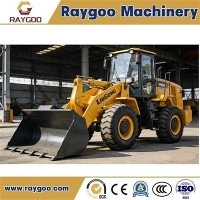
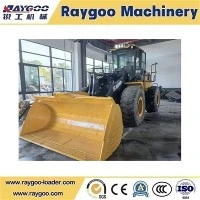
Hey there! As a supplier of rubber wheel dozers, I know how crucial it is to ensure the structural integrity of these powerful machines. A rubber wheel dozer is a workhorse on construction sites, mines, and other heavy - duty operations. In this blog, I'll share some tips on how to inspect the structural integrity of a rubber wheel dozer.
Pre - inspection Preparations
Before you start the actual inspection, there are a few things you need to do. First, make sure the dozer is parked on a flat, stable surface and the engine is turned off. You don't want any unexpected movements during the inspection. Also, gather the necessary tools like a flashlight, a hammer for a simple tap test, and a measuring tape if you need to check clearances.


Visual Inspection
Let's start with the visual inspection. This is the most basic yet important step. Walk around the dozer and look for any obvious signs of damage. Check the frame of the dozer. The frame is like the backbone of the machine, and any cracks or bends can seriously compromise its structural integrity. Look for signs of welding repairs that might not have been done properly. If you see any fresh welds, it's a good idea to have them inspected by a professional welder.
Inspect the blade. The blade is one of the most important working parts of the dozer. Check for any cracks, especially at the edges and the connection points to the main body. A damaged blade can affect the dozer's ability to push and move materials effectively. Also, look at the cutting edge of the blade. If it's worn out, it might need to be replaced. You can find a wide range of high - quality blades at Rubber Tyre Dozer.
Next, examine the cab. The cab provides a safe working environment for the operator. Check for any dents, holes, or signs of water leakage. A damaged cab can expose the operator to various hazards, including bad weather and flying debris. Make sure the windows are intact and the doors open and close smoothly.
Tire Inspection
The rubber wheels are a key component of a rubber wheel dozer. Check the tires for any signs of wear, cuts, or bulges. Worn - out tires can reduce the dozer's traction and stability. Measure the tire tread depth. If it's below the recommended level, it's time to replace the tires. Also, check the tire pressure. Incorrect tire pressure can cause uneven wear and affect the overall performance of the dozer.
Inspect the wheel rims as well. Look for any cracks or signs of corrosion. A damaged wheel rim can lead to tire failure and potentially cause an accident. Make sure the wheel nuts are tightened properly. Loose wheel nuts can cause the wheel to come off while the dozer is in operation.
Hydraulic System Inspection
The hydraulic system is responsible for powering many of the dozer's functions, such as blade movement. Check the hydraulic hoses for any signs of leaks, cracks, or abrasions. A hydraulic leak can not only reduce the efficiency of the system but also create a safety hazard. Look at the hydraulic cylinders. Make sure they are extending and retracting smoothly without any jerks or unusual noises.
Inspect the hydraulic fluid level. Low fluid levels can cause the system to overheat and malfunction. Check the fluid for any signs of contamination, such as dirt or water. If the fluid looks dirty, it might need to be changed.
Engine and Transmission Inspection
Open the engine compartment and visually inspect the engine. Look for any signs of leaks, such as oil or coolant. Check the belts and hoses for wear and tear. A broken belt can cause the engine to stop working. Inspect the air filter. A clogged air filter can reduce the engine's performance and fuel efficiency.
Check the transmission system. Listen for any unusual noises when the dozer is in gear. A noisy transmission can indicate a problem with the gears or the clutch. Check the transmission fluid level and its condition. Like the hydraulic fluid, dirty or low - level transmission fluid can cause serious problems.
Structural Connection Points
Inspect all the structural connection points, such as bolts and pins. Make sure they are tightened properly and there is no excessive play. Loose connection points can cause the components to shift and potentially lead to structural failure. Use a torque wrench to check the tightness of the bolts if necessary.
Testing and Monitoring
After the visual inspection, it's a good idea to run some tests. Start the dozer and let it idle for a few minutes. Listen for any unusual noises coming from the engine, transmission, or other components. Take the dozer for a short test drive on a safe area. Pay attention to how it handles, accelerates, and brakes.
If possible, use monitoring systems to keep track of the dozer's performance over time. Some modern dozers are equipped with sensors that can detect early signs of problems, such as abnormal vibrations or temperature changes.
Documentation and Record - keeping
Keep a detailed record of all the inspections. Note down any issues you find, the date of the inspection, and any actions taken. This documentation can be useful for maintenance planning and can also help in case of warranty claims.
Conclusion
Inspecting the structural integrity of a rubber wheel dozer is a comprehensive process that requires attention to detail. By following these steps regularly, you can ensure that your dozer is in good working condition and reduce the risk of breakdowns and accidents.
If you're in the market for a new rubber wheel dozer or need replacement parts, feel free to reach out to us. We're here to help you find the best solutions for your construction and heavy - duty needs. Contact us for more information and let's start a great business relationship.
References
- Construction Equipment Handbook
- Manufacturer's Manuals for Rubber Wheel Dozers