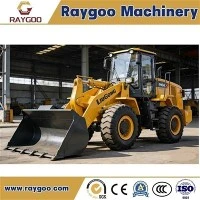
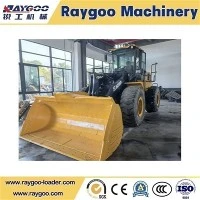
As a supplier of the Wheel Loader Zl50gn, I understand the importance of maintaining its load - sensing hydraulic system. A well - maintained hydraulic system ensures the smooth operation, efficiency, and longevity of the wheel loader. In this blog, I'll share some key tips on how to maintain the load - sensing hydraulic system of the Wheel Loader Zl50gn.
Understanding the Load - Sensing Hydraulic System in Wheel Loader Zl50gn
Before diving into maintenance, it's crucial to understand what a load - sensing hydraulic system is. In the Wheel Loader Zl50gn, the load - sensing hydraulic system is designed to provide the exact amount of hydraulic power required by the various functions of the loader, such as lifting, tilting, and steering. This system adjusts the flow and pressure of the hydraulic fluid based on the load demand, which helps in saving energy and reducing wear and tear.
Regular Fluid Checks and Replacements
The hydraulic fluid is the lifeblood of the load - sensing hydraulic system. It not only transfers power but also lubricates and cools the components.
- Fluid Level Inspection: Check the hydraulic fluid level regularly. The Zl50gn has a sight glass or a dipstick for this purpose. Low fluid levels can cause cavitation, which is the formation and collapse of vapor bubbles in the fluid. Cavitation can damage the hydraulic pump and other components. If the fluid level is low, add the recommended hydraulic fluid.
- Fluid Quality: The quality of the hydraulic fluid degrades over time due to contamination and oxidation. Check the fluid for signs of contamination, such as dirt, water, or metal particles. You can use a fluid analysis kit or send a sample to a laboratory for a more comprehensive analysis. If the fluid is contaminated or has reached its service life, replace it immediately. The recommended interval for fluid replacement in the Zl50gn's load - sensing hydraulic system depends on the operating conditions but is typically between 1000 - 2000 hours of operation.
- Fluid Type: Always use the hydraulic fluid recommended by the manufacturer for the Wheel Loader Zl50gn. Using the wrong type of fluid can lead to poor system performance, increased wear, and potential damage to the components.
Filter Maintenance
Filters play a vital role in keeping the hydraulic fluid clean.


- Suction Filters: The suction filter is located at the inlet of the hydraulic pump. It prevents large particles from entering the pump, which could cause severe damage. Inspect the suction filter regularly and clean or replace it if it is clogged. A clogged suction filter can restrict the flow of fluid to the pump, leading to cavitation and pump failure.
- Return Filters: Return filters are installed in the return line of the hydraulic system. They capture contaminants that are generated during the operation of the system. Replace the return filters at the recommended intervals. A dirty return filter can increase the pressure drop in the system, reducing the efficiency of the load - sensing hydraulic system.
Component Inspection
- Hydraulic Pump: The hydraulic pump is the heart of the load - sensing hydraulic system. Inspect the pump regularly for signs of wear, such as leaks, abnormal noises, or reduced performance. Check the pump's drive belt for proper tension and wear. A loose or worn - out drive belt can cause the pump to operate inefficiently or fail.
- Valves: The load - sensing valves in the Zl50gn's hydraulic system control the flow and pressure of the fluid. Inspect the valves for leaks, sticking, or improper operation. Any malfunctioning valve can disrupt the load - sensing function and lead to poor system performance.
- Cylinders: The hydraulic cylinders are responsible for the lifting and tilting operations of the wheel loader. Check the cylinders for leaks, rod damage, and proper extension and retraction. Leaking cylinders can reduce the efficiency of the system and may cause safety issues.
Sealing and Hose Inspection
- Seals: The seals in the hydraulic system prevent fluid leakage. Over time, seals can wear out or become damaged due to high pressure, temperature, or contamination. Inspect the seals regularly and replace any that are leaking or showing signs of wear.
- Hoses: The hydraulic hoses carry the fluid between the components. Check the hoses for signs of wear, such as cracks, bulges, or abrasions. Damaged hoses can burst under pressure, causing fluid loss and potential safety hazards. Replace any damaged hoses immediately.
Operating Practices
- Warm - Up: Before starting heavy - duty operations, allow the wheel loader to warm up. This allows the hydraulic fluid to reach its optimal viscosity, which improves the performance of the load - sensing hydraulic system.
- Avoid Overloading: Do not overload the Wheel Loader Zl50gn. Overloading can put excessive stress on the hydraulic system, leading to premature wear and component failure.
- Proper Shutdown: When shutting down the wheel loader, allow the hydraulic system to cool down. This helps prevent thermal shock to the components and reduces the risk of damage.
Other Related Wheel Loaders
If you are also interested in other wheel loaders, we have the 3Ton Wheel Loader LW300KN and the 5Ton Wheel Loader LW500HV. These models also feature advanced hydraulic systems and are suitable for different types of applications.
Conclusion
Maintaining the load - sensing hydraulic system of the Wheel Loader Zl50gn is essential for its reliable operation and long - term performance. By following the tips mentioned above, you can ensure that the system operates efficiently and avoid costly repairs. If you have any questions or need further assistance with the maintenance of the Zl50gn's load - sensing hydraulic system or are interested in purchasing the Wheel Loader Zl50gn, feel free to contact us for more information and to start a procurement discussion.
References
- Wheel Loader Zl50gn Operator's Manual
- Hydraulic System Maintenance Guidelines for Construction Equipment