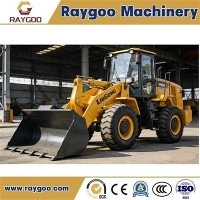
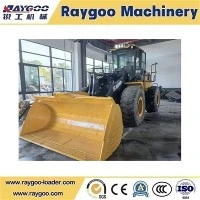
Tire blow - outs on a rubber wheel dozer can be extremely dangerous, leading to potential accidents, equipment damage, and costly downtime. As a supplier of rubber wheel dozers, I understand the importance of preventing these issues to ensure the safety and efficiency of your operations. In this blog, I'll share some practical tips on how to prevent tire blow - outs on a rubber wheel dozer.
1. Regular Tire Inspections
Regular inspections are the first line of defense against tire blow - outs. Before each use, operators should visually inspect the tires for any signs of damage. Check for cuts, punctures, bulges, or uneven wear. Cuts and punctures can weaken the tire structure, allowing air to escape gradually or suddenly, leading to a blow - out. Bulges are often an indication of internal damage, such as a broken belt within the tire.
Inspect the tread depth as well. Worn - out treads not only reduce traction but also increase the risk of a blow - out, especially when the dozer is operating on rough or uneven terrain. You can use a tread depth gauge to measure the tread depth accurately. Most tires have tread wear indicators, which are small bars located in the tread grooves. When the tread is worn down to the level of these indicators, it's time to replace the tire.
In addition to daily inspections, schedule more in - depth inspections on a weekly or monthly basis, depending on the usage frequency of the dozer. During these inspections, check the sidewalls for cracks or signs of aging. Tires can deteriorate over time due to exposure to sunlight, heat, and chemicals. If you notice any significant damage or signs of wear during an inspection, replace the tire immediately.
2. Proper Tire Inflation
Maintaining the correct tire pressure is crucial for preventing blow - outs. Under - inflated tires are more prone to overheating because they flex more as the dozer moves. This excessive flexing generates heat, which can weaken the tire's internal structure and eventually lead to a blow - out. On the other hand, over - inflated tires have a smaller contact area with the ground, which can cause uneven wear and make the tire more susceptible to damage from impacts.
Refer to the dozer's operator manual or the tire manufacturer's recommendations for the correct tire pressure. Use a reliable tire pressure gauge to check the pressure regularly, at least once a week or before each shift. Check the pressure when the tires are cold, as the pressure can increase when the tires are hot after operation. If the pressure is too low, add air; if it's too high, release some air until it reaches the recommended level.
It's also important to note that tire pressure can change with temperature. In cold weather, the air inside the tire contracts, causing the pressure to drop. Conversely, in hot weather, the air expands, increasing the pressure. Keep this in mind and adjust the tire pressure accordingly.
3. Avoid Overloading
Overloading the rubber wheel dozer is a common cause of tire blow - outs. Each dozer has a specified maximum load capacity, and exceeding this limit puts excessive stress on the tires. The extra weight can cause the tires to overheat and wear out more quickly, increasing the risk of a blow - out.
Before operating the dozer, make sure you know its load capacity and do not exceed it. Distribute the load evenly across the dozer to prevent uneven stress on the tires. If you need to carry a heavy load, consider using a larger dozer or making multiple trips to avoid overloading.
4. Drive Carefully
The way you drive the rubber wheel dozer can also have a significant impact on tire safety. Avoid sudden starts, stops, and turns, as these actions can put extra stress on the tires. When starting the dozer, accelerate gradually to prevent the tires from spinning and wearing out prematurely. Similarly, when stopping, apply the brakes gently to avoid locking up the wheels.
When turning, take wide turns to reduce the lateral stress on the tires. Sharp turns can cause the tires to scrub against the ground, leading to uneven wear and potential damage. Also, be careful when driving over rough terrain, potholes, or debris. These obstacles can cause punctures or damage to the tires. If possible, slow down and drive around these hazards.
5. Choose the Right Tires
Selecting the appropriate tires for your rubber wheel dozer is essential for preventing blow - outs. Different tires are designed for different applications and terrains. For example, if your dozer is mainly used on soft ground, you may need tires with a wider tread pattern and deeper lugs to provide better traction. On the other hand, if it operates on hard - surfaced roads, tires with a smoother tread may be more suitable.
Consider the tire's load - carrying capacity, speed rating, and durability. Make sure the tires you choose can handle the weight and operating conditions of your dozer. As a rubber wheel dozer supplier, I can offer you a wide range of high - quality tires that are specifically designed for different dozer models and applications. You can find more information about our Rubber Tyre Dozer on our website.
6. Maintain the Dozer's Suspension System
The suspension system of the rubber wheel dozer plays an important role in tire safety. A well - maintained suspension system helps to distribute the weight evenly across the tires and absorb shocks from the terrain. If the suspension system is worn or damaged, it can cause uneven tire wear and increase the risk of a blow - out.
Regularly inspect the suspension components, such as springs, shock absorbers, and linkages, for signs of wear or damage. Replace any worn or damaged parts promptly. Lubricate the moving parts of the suspension system as recommended by the manufacturer to ensure smooth operation.
7. Store Tires Properly
If you need to store the dozer or spare tires for an extended period, proper storage is crucial to prevent tire damage. Store the tires in a cool, dry, and dark place away from direct sunlight and sources of heat. Sunlight and heat can cause the rubber to deteriorate and crack over time.


When storing the dozer, make sure the tires are properly inflated to the recommended pressure. If possible, use tire stands to relieve the weight on the tires and prevent flat - spotting. Flat - spotting occurs when a tire is left in one position for too long, causing a flat area to develop on the tread. This can lead to vibration and uneven wear when the dozer is back in operation.
Conclusion
Preventing tire blow - outs on a rubber wheel dozer requires a combination of regular maintenance, proper operation, and careful selection of tires. By following these tips, you can significantly reduce the risk of tire blow - outs, ensuring the safety and efficiency of your dozer operations.
As a trusted rubber wheel dozer supplier, we are committed to providing you with high - quality dozers and tires, as well as professional advice on maintenance and operation. If you have any questions or are interested in purchasing a rubber wheel dozer or related products, please feel free to contact us for a detailed discussion. We look forward to working with you to meet your construction and earth - moving needs.
References
- Tire Manufacturer's Manuals
- Rubber Wheel Dozer Operator Manuals
- Industry Standards and Guidelines for Heavy Equipment Maintenance