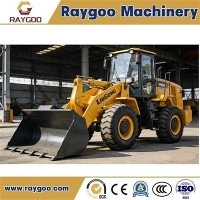
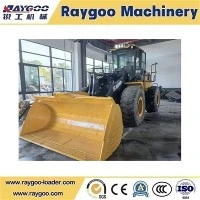
Hey there! As a supplier of Loader Liugong 856, I've seen my fair share of maintenance issues, and one common problem is radiator replacement. In this blog, I'll walk you through the steps on how to replace the radiator of Loader Liugong 856.
Why Replace the Radiator?
Before we jump into the replacement process, let's talk about why you might need to replace the radiator in the first place. Over time, radiators can get clogged with dirt, debris, and rust. This can reduce their efficiency in cooling the engine, leading to overheating. An overheated engine can cause serious damage, so it's crucial to address radiator issues promptly.
Tools and Materials You'll Need
- Socket and wrench set
- Drain pan
- New radiator (make sure it's compatible with Loader Liugong 856)
- Coolant
- Safety goggles and gloves
- Screwdriver
Step 1: Preparation
First things first, safety is key. Make sure the loader is parked on a flat, stable surface and the engine is completely cooled down. You don't want to burn yourself on hot engine parts. Put on your safety goggles and gloves to protect yourself from any coolant spills or sharp edges.
Next, locate the radiator. On the Loader Liugong 856, it's usually at the front of the machine, behind the grille. You'll also need to find the coolant drain valve, which is typically at the bottom of the radiator. Place the drain pan underneath the valve to catch the coolant.
Step 2: Drain the Coolant
Slowly open the coolant drain valve. Let the coolant drain completely into the pan. This might take a few minutes, so be patient. Once all the coolant is drained, close the valve. Remember, coolant is toxic, so don't just pour it down the drain. Dispose of it properly at a recycling center.
Step 3: Disconnect the Hoses and Wires
Now it's time to disconnect the hoses and wires connected to the radiator. Start with the hoses. Use a screwdriver or wrench to loosen the clamps holding the hoses in place. Gently pull the hoses off the radiator. Be careful not to damage the hoses or the radiator connections.
Next, disconnect any electrical wires or sensors attached to the radiator. Some might have a clip that you need to press to release, while others might just pull off. Make sure you keep track of where each wire goes so you can reconnect them correctly later.
Step 4: Remove the Radiator Mounting Bolts
Locate the bolts that hold the radiator in place. These are usually on the sides or at the bottom of the radiator. Use your socket and wrench set to loosen and remove the bolts. Keep the bolts in a safe place so you don't lose them.


Step 5: Remove the Old Radiator
Once all the bolts are removed, carefully lift the old radiator out of the loader. It might be a bit heavy, so get some help if you need it. Place the old radiator aside.
Step 6: Install the New Radiator
Take your new radiator and position it in the same spot where the old one was. Make sure it's aligned correctly. Insert the mounting bolts and tighten them securely, but don't over-tighten. You don't want to crack the radiator.
Step 7: Reconnect the Hoses and Wires
Now, reconnect the hoses to the radiator. Slide the hoses onto the connections and tighten the clamps. Make sure they're snug to prevent any coolant leaks. Then, reconnect the electrical wires and sensors in the same way you disconnected them.
Step 8: Refill the Coolant
It's time to refill the coolant. Pour the coolant into the radiator until it reaches the recommended level. You can find this level marked on the radiator or in the loader's manual. Once you've filled the radiator, start the engine and let it run for a few minutes. This will help circulate the coolant and remove any air bubbles. Check the coolant level again and top it up if necessary.
Step 9: Final Checks
After refilling the coolant, check for any leaks around the hoses, connections, and the radiator itself. If you see any leaks, tighten the clamps or connections as needed. Also, make sure all the wires are properly connected and there are no loose parts.
Other Loader Models We Offer
If you're interested in other loader models, we also have the Diesel Engine Loader ZL928, Liugong 848H, and Used Liugong870H Wheel Loader in Good Condition For Sale. These models are also known for their reliability and performance.
Contact Us for Purchase
If you're in the market for a new radiator or a whole new loader, don't hesitate to reach out. We're here to help you with all your loader needs. Whether you have questions about replacement parts or want to discuss a purchase, just get in touch. We'll be happy to assist you and make sure you get the best deal.
References
- Liugong 856 Loader Owner's Manual
- General Knowledge of Heavy Equipment Maintenance
So there you have it, a step-by-step guide on how to replace the radiator of Loader Liugong 856. I hope this blog has been helpful. If you have any questions or need further assistance, feel free to ask.