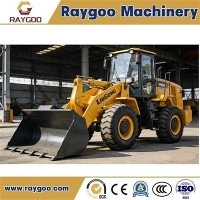
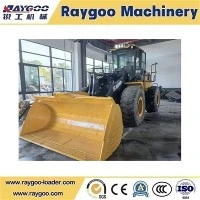
Telescopic loaders, also known as telehandlers, are versatile pieces of equipment widely used in construction, agriculture, and industrial settings. They offer the ability to reach high and far, making them indispensable for various tasks. However, like any complex machinery, telescopic loaders come with their own set of common problems. As a telescopic loader supplier, I've witnessed firsthand the issues that users encounter. In this blog post, I'll delve into these problems, their causes, and potential solutions.
Hydraulic System Issues
One of the most prevalent problems with telescopic loaders is related to the hydraulic system. The hydraulic system is responsible for powering the boom's extension and retraction, as well as the lifting and tilting functions. Any malfunction in this system can significantly impact the loader's performance.
Leaks
Hydraulic leaks are a common issue. They can occur at various points in the system, such as hoses, fittings, or seals. Leaks not only lead to a loss of hydraulic fluid but can also cause contamination of the surrounding environment. The main causes of leaks include wear and tear, improper installation, or damage to the components.
To address hydraulic leaks, regular inspections are crucial. Check the hoses and fittings for signs of damage or wear, and replace any faulty components immediately. Using high - quality seals and hoses can also help prevent leaks. For more severe leaks, it may be necessary to consult a professional hydraulic technician.
Loss of Pressure
A loss of hydraulic pressure can result in slow or unresponsive operation of the boom and other hydraulic functions. This can be caused by a variety of factors, such as a clogged filter, a failing pump, or air in the hydraulic system.


To troubleshoot a loss of pressure, start by checking the hydraulic filter. If it's clogged, replace it. Inspect the pump for any signs of damage or wear. If the pump is faulty, it may need to be repaired or replaced. Bleeding the hydraulic system to remove any air can also restore pressure.
Boom and Structure Problems
The boom is the most distinctive feature of a telescopic loader, and it is subjected to significant stress during operation.
Boom Misalignment
Over time, the boom may become misaligned. This can be due to improper use, excessive loads, or wear and tear on the boom's components. Misalignment can cause uneven stress on the boom, leading to premature wear and potential structural failure.
Regular maintenance and proper use are essential to prevent boom misalignment. Ensure that the loader is used within its specified load capacity. If misalignment is detected, it should be corrected by a professional technician. They can adjust the boom's alignment using specialized tools and techniques.
Structural Fatigue
The constant extension and retraction of the boom, along with the lifting of heavy loads, can cause structural fatigue. This is a gradual weakening of the boom's structure over time. Signs of structural fatigue include cracks, deformation, or excessive vibration.
To prevent structural fatigue, follow the manufacturer's maintenance schedule. Inspect the boom regularly for signs of damage. If any cracks or deformations are found, the boom should be repaired or replaced immediately. Using the loader within its design limits can also help reduce the risk of structural fatigue.
Electrical System Failures
The electrical system in a telescopic loader controls various functions, such as the lights, gauges, and control panels. Electrical problems can disrupt the loader's operation and make it difficult to use.
Battery Issues
A dead or weak battery is a common electrical problem. This can be caused by a variety of factors, such as a faulty charging system, leaving the lights on for an extended period, or a battery that has reached the end of its lifespan.
To address battery issues, start by checking the battery's charge level. If it's low, charge the battery using a suitable charger. Inspect the battery terminals for corrosion and clean them if necessary. If the battery is old or damaged, replace it.
Wiring Problems
Wiring problems can cause a range of electrical issues, from intermittent malfunctions to complete system failures. Loose connections, damaged wires, or short circuits can all contribute to wiring problems.
Regular inspections of the wiring system are essential. Check for any signs of damage, such as frayed wires or loose connections. If any issues are found, repair or replace the affected wiring. It's also important to ensure that the wiring is properly routed and secured to prevent further damage.
Tire and Wheel Problems
Tires and wheels are critical components of a telescopic loader, as they provide mobility and stability.
Tire Wear
Uneven tire wear is a common problem. This can be caused by improper tire inflation, misalignment of the wheels, or driving on rough terrain. Uneven tire wear can reduce the tire's lifespan and affect the loader's stability.
To prevent uneven tire wear, maintain the correct tire pressure. Check the tire pressure regularly and adjust it as needed. Ensure that the wheels are properly aligned. If the tires are worn unevenly, rotate them to promote more even wear. If the wear is severe, replace the tires.
Wheel Bearing Failure
Wheel bearing failure can lead to excessive noise, vibration, and difficulty in steering. This can be caused by lack of lubrication, excessive loads, or contamination.
Regular maintenance of the wheel bearings is essential. Lubricate the bearings according to the manufacturer's recommendations. Inspect the bearings for signs of wear or damage. If the bearings are faulty, replace them immediately.
Engine and Transmission Problems
The engine and transmission are the powerhouses of the telescopic loader, and any problems in these areas can significantly affect its performance.
Engine Overheating
Engine overheating can be caused by a variety of factors, such as a malfunctioning cooling system, low coolant levels, or a blocked radiator. Overheating can cause damage to the engine components and reduce its lifespan.
To prevent engine overheating, regularly check the coolant level and top it up if necessary. Inspect the cooling system for any leaks or blockages. Clean the radiator to ensure proper airflow. If the engine continues to overheat, consult a professional mechanic.
Transmission Slipping
Transmission slipping is a problem where the transmission fails to engage properly, resulting in a loss of power or difficulty in shifting gears. This can be caused by low transmission fluid, worn clutch plates, or a faulty transmission control module.
To address transmission slipping, check the transmission fluid level and top it up if needed. If the fluid is dirty, replace it. Inspect the clutch plates for wear and replace them if necessary. If the problem persists, it may be necessary to have the transmission control module checked by a professional.
Solutions and Recommendations
To minimize the occurrence of these common problems, it's important to follow a comprehensive maintenance schedule. Regular inspections, lubrication, and component replacements are essential. Additionally, proper operator training is crucial. Operators should be familiar with the loader's specifications, limitations, and proper operating procedures.
As a telescopic loader supplier, we offer a range of high - quality telescopic loaders to meet your needs. Check out our products such as the 5 Ton 10m 14m Or 18m Lifting Telescopic Loader, 3.5T Telehandler (7m/10m), 5ton Extendable Boom Loader, New Telehandler, and Used Telehandler Cat 360B.
If you're experiencing any problems with your telescopic loader or are interested in purchasing a new one, don't hesitate to contact us for a consultation. We're here to help you find the best solution for your needs.
References
- Manufacturer's manuals for telescopic loaders
- Industry publications on construction equipment maintenance
- Technical reports on hydraulic, electrical, and mechanical systems in heavy machinery