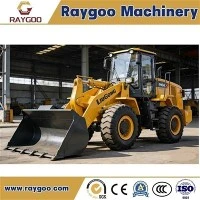
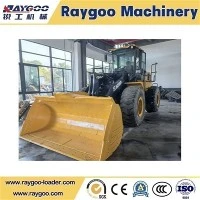
Hey there! As a supplier of large wheel loaders, I'm stoked to take you on a tour of the instrument panels in a large wheel loader's cab. These panels are like the nerve center of the machine, giving operators all the info they need to run things smoothly.
Let's start with the basics. The instrument panel in a large wheel loader is a crucial part of the cab. It's where you'll find all the gauges, indicators, and controls that help the operator keep an eye on the machine's performance and make adjustments as needed.
One of the most important gauges on the instrument panel is the speedometer. Just like in a car, it shows you how fast the wheel loader is moving. This is super important for safety and efficiency, especially when you're working on a busy job site. You don't want to be going too fast and risk an accident, but you also don't want to be going too slow and waste time.
Next up is the fuel gauge. This tells you how much fuel is left in the tank. Running out of fuel in the middle of a job is a major hassle, so it's important to keep an eye on this gauge. Some modern wheel loaders even have a fuel consumption indicator, which shows you how much fuel the machine is using per hour. This can help you manage your fuel costs and plan your refueling stops more effectively.
The engine temperature gauge is another critical one. The engine in a large wheel loader works hard, and it can generate a lot of heat. If the engine gets too hot, it can cause serious damage. The temperature gauge lets you know if the engine is running at a safe temperature. If it starts to climb into the red zone, you need to take action right away, like stopping the machine and letting it cool down.
Oil pressure is also a key indicator. The engine oil lubricates all the moving parts in the engine, and if the oil pressure is too low, it can lead to increased wear and tear, and even engine failure. The oil pressure gauge on the instrument panel shows you if the oil pressure is within the normal range.
In addition to these basic gauges, modern large wheel loaders often come with a bunch of other indicators and warning lights. For example, there might be a warning light for low tire pressure. Driving with low tire pressure can not only affect the performance of the wheel loader but also pose a safety risk. So, if this light comes on, you should check the tire pressure as soon as possible.
There could also be a light for the battery charge. A dead battery means the wheel loader won't start, so it's important to address any battery issues right away. Some instrument panels even have a diagnostic system that can detect more complex problems with the machine and display error codes. This can be really helpful for maintenance crews, as it allows them to quickly identify and fix issues.
Now, let's talk about the controls on the instrument panel. There are usually controls for things like the lights, the horn, and the windshield wipers. These are pretty standard features, but they're essential for operating the wheel loader safely, especially in different weather and lighting conditions.
Some wheel loaders also have controls for the hydraulic system. The hydraulic system is what powers the bucket and other attachments on the wheel loader. You can use these controls to raise, lower, tilt, and dump the bucket, among other things. Precise control of the hydraulic system is crucial for getting the job done efficiently.
For example, if you're loading gravel into a truck, you need to be able to control the height and angle of the bucket accurately. This not only ensures that you're loading the right amount of material but also helps prevent spillage and makes the whole process faster.
In more advanced large wheel loaders, there might be a touchscreen display on the instrument panel. This display can show a lot of additional information, such as the operating hours of the machine, the maintenance schedule, and even real - time data about the performance of different components. It can also be used to customize certain settings of the wheel loader, like the sensitivity of the controls or the display preferences.
At our company, we offer a wide range of large wheel loaders with top - notch instrument panels. For instance, our 14 Ton Wheel Loader comes with a user - friendly instrument panel that provides all the necessary information at a glance. It's designed to make the operator's job easier and more efficient.


Another great option is the Wheel Loader XCMG LW700KN. This machine is equipped with an advanced instrument panel that has all the latest features, including a high - resolution touchscreen display. It gives operators complete control and real - time insights into the machine's performance.
If you need a really heavy - duty option, our 20 Ton Wheel Loader is a great choice. Its instrument panel is built to withstand the rigors of tough jobs and provides reliable information in all conditions.
Whether you're a construction company, a mining operation, or a waste management firm, having a large wheel loader with a well - designed instrument panel can make a huge difference in your productivity and bottom line. So, if you're in the market for a large wheel loader, don't hesitate to reach out to us. We're here to help you find the perfect machine for your needs and answer any questions you might have. We can guide you through the features of our different models and help you make an informed decision.
If you're interested in learning more about our large wheel loaders or have any specific requirements, just drop us a message. We're always ready to talk about how our products can fit into your operations and help you get the job done better.
References:
- Industry knowledge and experience in large wheel loader supply.
- Manufacturer's manuals and specifications for various large wheel loader models.