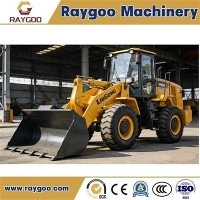
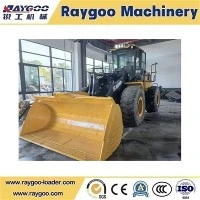
Hey there! As a supplier of large wheel loaders, I've seen firsthand how crucial radiator systems are for these powerful machines. In this blog, I'm gonna break down what radiator systems in large wheel loaders are all about, why they're so important, and how they work.
What Are Radiator Systems in Large Wheel Loaders?
Let's start with the basics. A radiator system in a large wheel loader is like the cooling heart of the machine. It's responsible for keeping the engine and other vital components from overheating. You see, when a large wheel loader is working hard, whether it's loading heavy materials at a construction site or digging in a mining area, the engine generates a ton of heat. If this heat isn't managed properly, it can cause serious damage to the engine and other parts, leading to costly repairs and downtime.
The radiator system consists of several key components. The main part is, of course, the radiator itself. It's usually a big, finned structure made of metal, often aluminum. The fins increase the surface area of the radiator, allowing it to dissipate heat more effectively. Inside the radiator, there are tubes through which coolant flows. The coolant, typically a mixture of water and antifreeze, absorbs the heat from the engine and carries it to the radiator.
Another important component is the water pump. This little guy is responsible for circulating the coolant throughout the system. It's like the heart that keeps the coolant flowing, making sure that heat is continuously transferred from the engine to the radiator.
Then there are the fans. Fans play a crucial role in the radiator system. They help to draw air through the radiator, which speeds up the cooling process. There are two types of fans commonly used in large wheel loaders: mechanical fans and electric fans. Mechanical fans are driven by the engine, while electric fans are powered by the vehicle's electrical system. Electric fans are becoming more popular because they can be controlled more precisely, which helps to save energy.
Why Are Radiator Systems So Important?
Now, you might be wondering why radiator systems are so important in large wheel loaders. Well, as I mentioned earlier, engines generate a lot of heat when they're working. If this heat isn't removed, it can cause the engine to overheat. An overheated engine can lead to a whole host of problems, including engine failure, reduced performance, and increased fuel consumption.
For example, when an engine overheats, the metal components can expand, which can cause them to warp or even break. This can lead to costly repairs and downtime, which is a big no-no for any business that relies on large wheel loaders. Additionally, an overheated engine is less efficient, which means it uses more fuel to do the same amount of work. This can add up quickly, especially for companies that operate a fleet of large wheel loaders.


A properly functioning radiator system also helps to extend the lifespan of the engine and other components. By keeping the engine cool, it reduces the wear and tear on the parts, which means they'll last longer. This can save a lot of money in the long run, as you won't have to replace parts as often.
How Do Radiator Systems Work?
Let's take a closer look at how radiator systems work in large wheel loaders. When the engine is running, the water pump starts to circulate the coolant through the engine block. As the coolant flows through the engine, it absorbs the heat generated by the combustion process. The hot coolant then flows into the radiator through the inlet hose.
Once the hot coolant is in the radiator, it passes through the tubes. The fins on the radiator help to transfer the heat from the coolant to the air. At the same time, the fans draw air through the radiator, which speeds up the cooling process. As the coolant cools down, it becomes denser and flows back to the engine through the outlet hose.
This cycle repeats itself continuously as long as the engine is running. The thermostat, another important component in the radiator system, helps to regulate the temperature of the coolant. It opens and closes to control the flow of coolant, making sure that the engine stays at the optimal operating temperature.
Types of Radiator Systems
There are several types of radiator systems used in large wheel loaders. The most common type is the liquid-cooled radiator system, which I've been talking about so far. In a liquid-cooled system, coolant is used to transfer heat from the engine to the radiator.
Another type is the air-cooled radiator system. In an air-cooled system, there is no coolant. Instead, the engine is cooled directly by the air flowing over it. Air-cooled systems are simpler and lighter than liquid-cooled systems, but they're not as efficient at cooling. They're typically used in smaller wheel loaders or in applications where weight is a major concern.
Some large wheel loaders also use a combination of liquid-cooled and air-cooled systems. These hybrid systems offer the best of both worlds, providing efficient cooling while also keeping the weight down.
Maintaining Radiator Systems
Proper maintenance of the radiator system is essential to ensure the long-term performance and reliability of large wheel loaders. Here are some tips on how to maintain the radiator system:
- Check the coolant level regularly: Make sure that the coolant level is between the minimum and maximum marks on the coolant reservoir. If the level is low, add more coolant.
- Inspect the radiator for damage: Look for any signs of leaks, cracks, or bent fins. If you notice any damage, have it repaired as soon as possible.
- Clean the radiator: Over time, dirt, dust, and debris can accumulate on the radiator, which can reduce its cooling efficiency. Use a soft brush or compressed air to clean the radiator regularly.
- Replace the coolant: Coolant should be replaced according to the manufacturer's recommendations. Over time, coolant can break down and lose its effectiveness, so it's important to replace it periodically.
- Check the fans and water pump: Make sure that the fans are working properly and that the water pump is circulating the coolant effectively. If you notice any problems, have them repaired or replaced.
Conclusion
In conclusion, radiator systems are a vital part of large wheel loaders. They play a crucial role in keeping the engine and other components cool, which helps to ensure the long-term performance and reliability of the machine. As a supplier of large wheel loaders, I understand the importance of having a reliable radiator system. That's why we offer high-quality wheel loaders with advanced radiator systems, such as the Brand New Electirc Wheel Loader XC968-EV, 14 Ton Wheel Loader, and 20 Ton Wheel Loader.
If you're in the market for a large wheel loader or need to replace your existing radiator system, don't hesitate to contact us. We have a team of experts who can help you find the right solution for your needs. Let's work together to keep your wheel loaders running smoothly and efficiently.
References
- Automotive Cooling System Basics. (n.d.). Retrieved from various automotive engineering textbooks and online resources.
- Large Wheel Loader Maintenance Guides. (n.d.). Provided by wheel loader manufacturers.