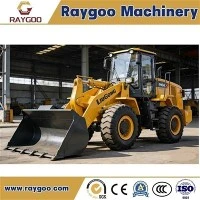
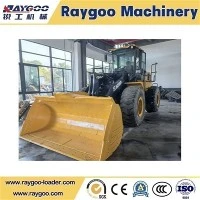
As a supplier of 10 Ton Wheel Loaders, I'm often asked about the various features of these powerful machines, and one aspect that frequently comes up is the cab ventilation system. In this blog post, I'll delve into what the cab ventilation system in a 10 Ton Wheel Loader is like, highlighting its importance, components, and benefits.
Importance of Cab Ventilation in a 10 Ton Wheel Loader
The cab of a 10 Ton Wheel Loader is the operator's workspace for long hours. A proper ventilation system is crucial for several reasons. Firstly, it helps maintain a comfortable temperature inside the cab. Wheel loaders operate in a wide range of environments, from scorching deserts to freezing cold construction sites. Without adequate ventilation, the cab can become unbearably hot or cold, leading to operator fatigue and reduced productivity.
Secondly, ventilation is essential for air quality. During operation, the loader's engine emits exhaust fumes, and the surrounding environment may have dust, dirt, and other harmful particles. A good ventilation system filters out these contaminants, ensuring that the operator breathes clean air. This not only protects the operator's health but also reduces the risk of respiratory problems and long - term health issues.
Components of the Cab Ventilation System
Air Intake
The air intake is the starting point of the ventilation system. It is usually located in a position where it can draw in fresh air, away from areas where exhaust fumes are likely to accumulate. In a 10 Ton Wheel Loader, the air intake is often designed to be large enough to ensure a sufficient supply of air. Some air intakes are equipped with pre - filters that can trap large dust particles before the air enters the main filtration system.
Air Filters
Air filters are the heart of the ventilation system. They are responsible for removing dust, pollen, and other contaminants from the incoming air. In a 10 Ton Wheel Loader, high - efficiency filters are used to ensure that the air inside the cab is as clean as possible. These filters are designed to have a large surface area to maximize the filtration capacity and are often made of high - quality materials that can withstand the harsh operating conditions.
Blower
The blower is responsible for circulating the air through the ventilation system. It creates a pressure difference that forces the air to move from the intake, through the filters, and into the cab. In a 10 Ton Wheel Loader, the blower is typically a powerful, electrically - driven unit that can provide a sufficient airflow rate to keep the cab well - ventilated. The speed of the blower can often be adjusted to meet the operator's needs, depending on the outside conditions and the level of ventilation required.
Ductwork
The ductwork distributes the filtered air throughout the cab. It is designed to ensure that the air reaches all parts of the cab evenly. In a 10 Ton Wheel Loader, the ductwork is carefully routed to avoid any obstructions and to provide a balanced airflow. Some ductwork is also designed to direct the air towards specific areas, such as the operator's face or feet, to enhance comfort.
Vents
Vents are the outlets through which the air enters the cab. They are strategically placed to provide optimal ventilation. In a 10 Ton Wheel Loader, vents can be adjusted by the operator to control the direction and volume of the airflow. Some vents are designed to be adjustable in multiple directions, allowing the operator to customize the ventilation according to their preferences.
Benefits of a Well - Designed Cab Ventilation System
Enhanced Operator Comfort
A well - designed cab ventilation system provides a comfortable working environment for the operator. By maintaining a suitable temperature and air quality, it reduces fatigue and allows the operator to focus on the task at hand. This, in turn, leads to increased productivity and better performance.
Extended Equipment Life
Clean air inside the cab also has a positive impact on the equipment's longevity. When the air is free of dust and contaminants, it reduces the wear and tear on the cab's interior components, such as the dashboard, seats, and electronic systems. This can lead to fewer maintenance requirements and lower repair costs over the life of the loader.
Improved Safety
Good ventilation is directly related to safety. A comfortable and well - ventilated operator is more alert and less likely to make mistakes. Additionally, by removing harmful fumes and particles from the cab, the ventilation system reduces the risk of health problems that could impair the operator's ability to operate the loader safely.
Comparison with Other Wheel Loaders
When comparing the cab ventilation system of a 10 Ton Wheel Loader with other models, such as the Wheel Loader XCMG LW600FV or the 20 Ton Wheel Loader, there are some similarities and differences.
Similarities include the basic components of the ventilation system, such as the air intake, filters, blower, ductwork, and vents. All these loaders need to provide clean and comfortable air to the operator. However, due to the difference in size and operating requirements, there may be some variations.
For example, a 20 Ton Wheel Loader may have a larger cab, which requires a more powerful blower and a more extensive ductwork system to ensure adequate ventilation. On the other hand, the 10 Ton Wheel Loader is designed to be more compact and may have a more streamlined ventilation system that is optimized for its size and performance.


Maintenance of the Cab Ventilation System
Proper maintenance of the cab ventilation system is essential to ensure its optimal performance. Regularly checking and replacing the air filters is crucial. Over time, the filters can become clogged with dust and dirt, reducing their effectiveness. It is recommended to follow the manufacturer's guidelines for filter replacement intervals.
Inspecting the air intake and ductwork for any blockages is also important. Debris, such as leaves or twigs, can accumulate in the air intake, restricting the airflow. Similarly, the ductwork can develop leaks or become damaged, which can affect the distribution of air inside the cab.
The blower should also be checked periodically to ensure that it is functioning properly. Any signs of abnormal noise or reduced airflow may indicate a problem with the blower that needs to be addressed.
Conclusion
In conclusion, the cab ventilation system in a 10 Ton Wheel Loader is a vital component that plays a crucial role in the operator's comfort, health, and the overall performance of the machine. A well - designed ventilation system with high - quality components can provide clean air, maintain a comfortable temperature, and enhance safety.
If you are in the market for a 10 Ton Wheel Loader, I encourage you to consider the quality of the cab ventilation system. A good ventilation system can make a significant difference in your daily operations. Feel free to contact us for more information about our 10 Ton Wheel Loaders and to discuss your specific requirements. We are here to help you find the perfect loader for your needs.
References
- Manufacturer's manuals for 10 Ton Wheel Loaders
- Industry standards for construction equipment ventilation systems
- Research papers on operator comfort and safety in heavy machinery