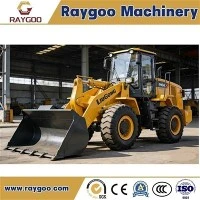
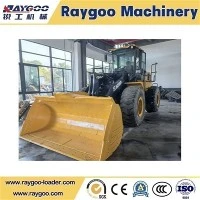
Hey there! As a wheel loader supplier, I've gotten tons of questions about the different types of wheel loaders out there. One of the most common queries is about the difference between a rigid - frame and an articulated wheel loader. So, let's dive right in and break it down!
Rigid - Frame Wheel Loaders
First off, let's talk about rigid - frame wheel loaders. These bad boys have a single, solid frame that connects the front and the rear of the machine. The steering on a rigid - frame wheel loader works by turning the front wheels, just like in a regular car.
One of the biggest advantages of a rigid - frame wheel loader is its stability. Because of the solid frame, it can handle heavy loads without much wobbling. This makes it a great choice for tasks that require lifting really heavy materials, like large rocks or big piles of gravel. For example, in a quarry where you're constantly moving huge chunks of stone, a rigid - frame wheel loader can get the job done efficiently.
Another plus is its durability. The single - piece frame is less likely to suffer from the kind of wear and tear that can affect other types of loaders. It can withstand rough terrains and harsh working conditions, which means it'll last you a long time. If you're working in a construction site with lots of uneven ground and debris, a rigid - frame loader can keep going without too many problems.
However, rigid - frame wheel loaders do have some drawbacks. Their turning radius is usually larger compared to articulated wheel loaders. This can be a real pain in tight spaces, like a small building site or a crowded warehouse. You might find yourself having to do multiple maneuvers to turn around, which can slow down your work.
Articulated Wheel Loaders
Now, let's switch gears and talk about articulated wheel loaders. These loaders have a hinge in the middle of the frame, which allows the front and the rear of the machine to bend. This gives them a much smaller turning radius, making them super maneuverable.
Imagine you're working in a narrow alleyway or a confined area. An articulated wheel loader can easily navigate through these tight spots, getting the job done quickly. It's like having a nimble dancer in the world of heavy machinery.
Articulated wheel loaders also offer better visibility. Since the operator's cab is usually closer to the front of the machine, it's easier to see what's going on around the bucket. This is especially important when you're trying to pick up specific items or work in a busy environment.
But, they're not without their flaws. The hinge in the middle of the frame can be a weak point. Over time, it can wear out and require maintenance. And because of the way they're designed, they might not be as stable as rigid - frame loaders when carrying extremely heavy loads.
Comparing the Two
So, how do you decide which one is right for you? Well, it all depends on your specific needs. If you're mainly working in large, open areas and need to lift heavy loads, a rigid - frame wheel loader might be the way to go. Check out our 3 Ton Wheel Loader, which is a great example of a powerful rigid - frame loader that can handle tough jobs.
On the other hand, if you're working in tight spaces and need a loader that can move around easily, an articulated wheel loader is probably your best bet. Our Wheel Loader XC958 is an articulated loader that offers excellent maneuverability and performance.
And if you're looking for a used option, we have the The Used SDLG L958 Wheel Loader in Good Condtion. It's a great way to get a quality loader at a more affordable price.
Making the Right Choice
When you're deciding between a rigid - frame and an articulated wheel loader, there are a few other things to consider. One is the type of material you'll be handling. If it's light and you need to move it quickly in a small area, an articulated loader will be more efficient. But if it's heavy and you're working in a large space, a rigid - frame loader will be better.


Another factor is the terrain. If the ground is smooth and flat, both types of loaders can work well. But if it's rough and uneven, a rigid - frame loader might have an edge in terms of stability.
Cost is also an important consideration. Generally, rigid - frame loaders can be more expensive upfront, but they might save you money in the long run due to their durability. Articulated loaders are usually more affordable initially, but you might have to spend more on maintenance over time.
Contact Us for More Information
I hope this blog has given you a better understanding of the differences between rigid - frame and articulated wheel loaders. If you're still not sure which one is right for your business, don't hesitate to reach out. We're here to help you make the best decision based on your specific needs. Whether you're a small construction company or a large industrial operation, we have the right wheel loader for you. So, let's start a conversation and find the perfect loader for your next project!
References
- Industry knowledge and experience as a wheel loader supplier
- Common practices and specifications in the wheel loader manufacturing industry