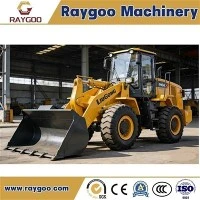
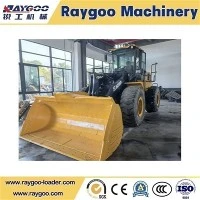
As a supplier of Rubber Tyre Dozers, I often get asked about the annual maintenance cost of these powerful machines. Understanding the maintenance cost is crucial for businesses and contractors who rely on these dozers for their daily operations. In this blog post, I'll break down the various factors that contribute to the annual maintenance cost of a Rubber Tyre Dozer and provide some insights to help you budget effectively.


1. Types of Maintenance and Their Associated Costs
Routine Maintenance
Routine maintenance is the foundation of keeping a Rubber Tyre Dozer in good working condition. This includes tasks such as oil changes, filter replacements, and lubrication.
- Oil Changes: Rubber Tyre Dozers typically require regular oil changes to ensure the engine runs smoothly. The frequency of oil changes depends on the make and model of the dozer, as well as the operating conditions. On average, an oil change might cost between $200 - $500, depending on the type of oil used and the size of the engine. For a Rubber Tyre Dozer that requires oil changes every 250 - 500 hours of operation, and assuming it operates around 1500 hours per year, you could expect to spend around $1000 - $3000 on oil changes annually.
- Filter Replacements: Air filters, fuel filters, and hydraulic filters need to be replaced regularly to prevent contaminants from entering the engine and hydraulic systems. The cost of filter replacements can vary, but on average, you might spend around $300 - $800 per year on filters.
- Lubrication: Proper lubrication of moving parts is essential to reduce friction and wear. This includes greasing the pins, bushings, and other components. The cost of lubricants and the labor to apply them can add up to around $500 - $1500 per year.
Scheduled Inspections
Regular inspections are necessary to identify potential problems before they become major issues. These inspections are usually carried out by trained technicians and can include checks of the engine, hydraulic system, brakes, and tires.
- Engine Inspection: An engine inspection can help detect issues such as worn-out components, leaks, or poor performance. The cost of an engine inspection can range from $200 - $500, and it is typically recommended to have one done every 500 - 1000 hours of operation. Depending on the usage, this could cost around $500 - $1500 per year.
- Hydraulic System Inspection: The hydraulic system is critical for the operation of the dozer, and regular inspections can help prevent costly breakdowns. A hydraulic system inspection might cost around $300 - $600, and it is usually recommended to have one done every 6 - 12 months. This could add up to around $600 - $1200 per year.
- Brake and Tire Inspections: Brakes and tires are safety-critical components, and regular inspections are essential. Brake inspections can cost around $100 - $300, and tire inspections are usually included in the overall vehicle inspection. Depending on the frequency of inspections, you might spend around $300 - $600 per year on brake and tire inspections.
Major Repairs and Component Replacements
Over time, some components of the Rubber Tyre Dozer will wear out and need to be replaced. These major repairs and component replacements can be significant contributors to the annual maintenance cost.
- Tire Replacements: Tires are one of the most expensive components to replace on a Rubber Tyre Dozer. The cost of a set of tires can range from $5000 - $15000, depending on the size and quality of the tires. The lifespan of tires depends on the operating conditions, but on average, they might need to be replaced every 2 - 3 years. This means that the annual cost of tire replacements could be around $2500 - $7500.
- Engine Overhaul: An engine overhaul is a major repair that involves disassembling and rebuilding the engine. This can be a very costly repair, with the cost ranging from $10,000 - $30,000 or more, depending on the make and model of the engine. Engine overhauls are typically needed every 5000 - 10,000 hours of operation, so the annual cost of an engine overhaul might be negligible if the dozer has relatively low usage, but it could be a significant expense for high-usage dozers.
- Hydraulic Component Replacements: Hydraulic pumps, cylinders, and valves can wear out over time and need to be replaced. The cost of hydraulic component replacements can vary widely, but on average, you might spend around $2000 - $5000 per year on these replacements, depending on the condition of the hydraulic system and the frequency of failures.
2. Factors Affecting Maintenance Costs
Operating Conditions
The operating conditions of the Rubber Tyre Dozer have a significant impact on the maintenance cost. Dozers that operate in harsh environments, such as mines or construction sites with rough terrain, are likely to experience more wear and tear on their components. This can lead to more frequent maintenance and higher repair costs.
- Dust and Debris: Working in dusty environments can cause premature wear of air filters, engine components, and hydraulic systems. More frequent filter replacements and cleaning of components might be required, increasing the maintenance cost.
- Temperature and Humidity: Extreme temperatures and high humidity can also affect the performance and lifespan of the dozer's components. For example, high temperatures can cause the engine to overheat, while high humidity can lead to corrosion of metal parts. Specialized maintenance and cooling or heating systems might be needed to mitigate these effects, adding to the cost.
Usage Patterns
The amount of usage and the type of work the dozer is used for can also influence the maintenance cost. Dozers that are used for heavy-duty tasks, such as pushing large amounts of soil or rocks, are likely to experience more stress on their components than those used for lighter tasks.
- Hours of Operation: The more hours the dozer is operated, the more wear and tear it will experience. Higher usage means more frequent maintenance and a greater likelihood of component failures. For example, a dozer that operates 2000 hours per year will likely require more maintenance than one that operates only 1000 hours per year.
- Type of Work: Different types of work can put different stresses on the dozer. For example, working on slopes or in tight spaces can cause more wear on the brakes and steering components. Understanding the type of work the dozer will be used for can help in predicting the maintenance requirements and costs.
Maintenance Practices
Proper maintenance practices can significantly reduce the annual maintenance cost of a Rubber Tyre Dozer. Regular maintenance, following the manufacturer's recommendations, and using high-quality parts and lubricants can all contribute to the longevity of the dozer and lower repair costs.
- Training of Operators and Maintenance Staff: Well-trained operators and maintenance staff are more likely to identify and address potential problems early. They can also perform maintenance tasks more efficiently, reducing the overall maintenance cost.
- Use of Genuine Parts: Using genuine parts from the manufacturer can ensure the compatibility and reliability of the components. While genuine parts might be more expensive than aftermarket parts, they can often last longer and reduce the risk of breakdowns, ultimately saving money in the long run.
3. Estimating the Annual Maintenance Cost
Based on the factors discussed above, it is difficult to provide an exact figure for the annual maintenance cost of a Rubber Tyre Dozer. However, as a rough estimate, for a medium-sized Rubber Tyre Dozer used in average operating conditions with around 1500 - 2000 hours of operation per year, the annual maintenance cost could range from $5000 - $15,000. This estimate includes routine maintenance, scheduled inspections, and some minor repairs, but does not account for major component replacements such as engine overhauls or tire replacements that might occur less frequently.
4. Importance of Budgeting for Maintenance
Budgeting for the maintenance of a Rubber Tyre Dozer is essential for the financial health of a business. By accurately estimating the annual maintenance cost, businesses can plan their finances more effectively and avoid unexpected expenses. A well-maintained dozer is also more likely to operate efficiently, reducing downtime and increasing productivity.
5. Conclusion and Call to Action
In conclusion, the annual maintenance cost of a Rubber Tyre Dozer is influenced by a variety of factors, including operating conditions, usage patterns, and maintenance practices. By understanding these factors and budgeting accordingly, businesses can ensure that their dozers are well-maintained and continue to perform at their best.
If you're in the market for a Rubber Tyre Dozer or need more information about the maintenance costs and best practices, Rubber Tyre Dozer is the right choice for you. We offer high-quality dozers and can provide you with expert advice on maintenance and operation. Contact us today to discuss your specific needs and explore how our Rubber Tyre Dozers can benefit your business.
References
- Manufacturer's manuals for Rubber Tyre Dozers
- Industry reports on heavy equipment maintenance costs
- Interviews with experienced dozer operators and maintenance technicians