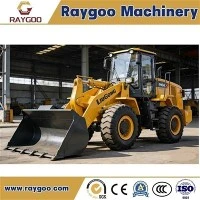
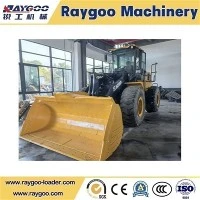
Hey there! I'm a supplier of mini front loaders, and today I wanna chat about something that's super important for anyone in the market for one: the maximum lifting capacity of a mini front loader.
First off, let's get clear on what a mini front loader is. It's a compact, versatile piece of equipment that's great for all sorts of jobs, from small - scale construction to landscaping and agricultural work. Unlike those big, heavy - duty loaders you see on large construction sites, mini front loaders are designed to be maneuverable in tight spaces while still getting the job done.
Now, the maximum lifting capacity of a mini front loader can vary quite a bit. It depends on several factors, like the design of the loader, the strength of its hydraulic system, and the quality of its components.
Factors Affecting Lifting Capacity
Hydraulic System
The hydraulic system is the heart of a mini front loader when it comes to lifting. A well - designed hydraulic system can generate a lot of force, allowing the loader to lift heavier loads. High - quality hydraulic pumps, cylinders, and valves are crucial. For example, if a loader has a powerful hydraulic pump, it can supply more fluid to the lifting cylinders, which in turn can lift more weight.
Structural Design
The overall design of the loader also plays a big role. A sturdy frame and well - engineered arms can handle more stress. If the frame is made of high - strength steel, it can better support the weight being lifted. The geometry of the lifting arms matters too. Some loaders have arms designed in a way that gives them better leverage, which can increase the lifting capacity.
Component Quality
The quality of individual components like the axles, bearings, and joints can't be overlooked. High - quality axles can handle more weight without bending or breaking. Good bearings reduce friction, allowing the loader to operate smoothly even under heavy loads.
Typical Lifting Capacities
In general, mini front loaders can have lifting capacities ranging from around 1 ton to 3 tons.
The 1.8 Ton Wheel Loader is a popular choice. It's a great middle - ground option. With a 1.8 - ton lifting capacity, it can handle a wide variety of tasks. You can use it to move small piles of dirt, gravel, or even some light construction materials. It's not too big, so it can easily fit into small work areas, but it's still strong enough to get a decent amount of work done.
If you need a bit more power, the 2 Ton Wheel Loader might be the way to go. This loader can lift heavier loads, which is useful if you're dealing with larger amounts of material or heavier construction elements. It's still relatively compact, so it doesn't sacrifice much in terms of maneuverability.
For those really heavy - duty small - scale jobs, there's the LG939F Wheel Loader. This loader has a higher maximum lifting capacity, which allows it to take on more challenging tasks. Whether it's moving large pallets of bricks or handling big bales of hay in an agricultural setting, the LG939F can handle it.
Choosing the Right Lifting Capacity
When you're in the market for a mini front loader, it's important to choose the right lifting capacity for your needs. If you're just doing some light landscaping work, like moving a few bags of soil or small rocks, a loader with a lower lifting capacity might be sufficient. You don't want to overspend on a loader with a much higher capacity than you actually need.
On the other hand, if you're involved in construction projects where you need to move heavy building materials, a loader with a higher lifting capacity is a must. You don't want to end up with a loader that can't handle the loads you're dealing with, as it'll slow down your work and could even be dangerous.
Maintenance and Lifting Capacity
It's not just about choosing the right loader; proper maintenance is also key to maintaining the lifting capacity. Regularly checking the hydraulic fluid levels, inspecting the structural components for signs of wear and tear, and lubricating the moving parts are all important. If the hydraulic system isn't properly maintained, it can lose its efficiency, which means the loader won't be able to lift as much weight as it's supposed to.
For example, if the hydraulic fluid is dirty or low, the hydraulic cylinders won't be able to generate as much force. And if the lifting arms have cracks or the joints are loose, it can compromise the overall strength of the loader.
Safety Considerations
Safety should always be a top priority when using a mini front loader. Overloading the loader is extremely dangerous. It can cause the loader to tip over, which can lead to serious injuries or even fatalities. Always make sure you know the maximum lifting capacity of your loader and never exceed it.
Also, when lifting heavy loads, make sure the load is balanced properly. An unbalanced load can put extra stress on one side of the loader, increasing the risk of tipping.
Conclusion
So, as you can see, the maximum lifting capacity of a mini front loader is an important factor to consider. It varies depending on the loader's design, hydraulic system, and component quality. Whether you need a 1.8 Ton Wheel Loader for light work, a 2 Ton Wheel Loader for a bit more power, or the LG939F Wheel Loader for heavy - duty tasks, there's a loader out there for you.


If you're interested in purchasing a mini front loader, I'd love to have a chat with you. We can discuss your specific needs and find the perfect loader for your projects. Don't hesitate to reach out and start the conversation about getting the right mini front loader for you.
References
- Construction Equipment Handbook: Covers general information about loaders and their technical specifications.
- Manufacturer's brochures: Provide detailed information about specific models of mini front loaders.