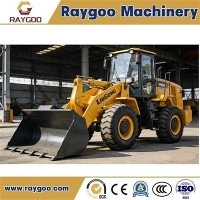
When it comes to heavy - duty construction equipment, SDLG wheel loaders are well - known for their reliability, efficiency, and performance. One crucial aspect that often concerns operators, construction site managers, and nearby residents is the noise level during operation. In this blog, we'll delve into the noise levels of SDLG wheel loaders and understand how they impact various stakeholders.
As a proud supplier of SDLG wheel loaders, I've had the opportunity to closely observe these machines in different working environments. The noise generated by a wheel loader is a complex phenomenon, influenced by multiple factors.
Firstly, the engine is a major source of noise. SDLG wheel loaders are equipped with powerful engines designed to provide the necessary torque and power for heavy - lifting and material - handling tasks. The combustion process within the engine cylinders, the movement of pistons, and the operation of the exhaust system all contribute to the overall noise output. For instance, during startup, when the engine is cold and working to reach its optimal operating temperature, the noise level can be relatively high. As the engine warms up and stabilizes, the noise may decrease slightly.
Secondly, the hydraulic system also plays a significant role. The hydraulic pumps, valves, and cylinders are constantly in motion to control the movement of the loader's bucket, arms, and other attachments. The flow of hydraulic fluid through these components creates pressure fluctuations, which in turn generate noise. When the loader is performing rapid and forceful movements, such as digging deep into a pile of gravel or quickly raising the bucket, the hydraulic system works harder, and the noise level can increase.
Another factor is the interaction between the tires and the ground. As the wheel loader moves around the construction site, the tires rolling on different surfaces produce noise. Rough or uneven terrain can cause more vibrations and noise compared to smooth surfaces. Additionally, the speed at which the loader is moving affects the tire - ground noise. Faster speeds generally result in louder tire noise.
Now, let's take a look at some specific models of SDLG wheel loaders and their typical noise levels. The Sdlg L965H is a popular model known for its high - capacity loading capabilities. In a standard working environment, the noise level of the Sdlg L965H at the operator's position is usually around 75 - 85 decibels (dB(A)). This level is relatively comfortable for the operator, considering that they are in close proximity to the machine. However, at a distance of about 10 meters from the machine, the noise level can drop to around 70 - 80 dB(A).
The Wheel Loader SDLG LG956L is another widely used model. It has a similar noise - generating mechanism as the Sdlg L965H. The noise level at the operator's seat is typically in the range of 72 - 82 dB(A). When measured at a distance of 15 meters from the loader, the noise can be around 65 - 75 dB(A).
The SDLG LFT18H is a more compact wheel loader, suitable for smaller construction sites or indoor operations. Due to its smaller size and less powerful engine, the noise level is relatively lower. At the operator's position, it can be around 70 - 80 dB(A), and at a distance of 5 meters, the noise may be around 60 - 70 dB(A).
It's important to note that these noise levels are approximate values and can vary depending on several factors. For example, if the machine is in need of maintenance, such as a worn - out belt in the engine or a leaky hydraulic hose, the noise level may increase. Also, the type of work being performed, such as continuous heavy - duty loading or intermittent light - duty tasks, can affect the noise output.
The noise levels of SDLG wheel loaders have several implications. For operators, excessive noise can lead to hearing problems over time. Prolonged exposure to high - level noise can cause permanent hearing loss, tinnitus (ringing in the ears), and other auditory issues. To mitigate these risks, SDLG equips its wheel loaders with effective sound - insulation materials in the cab. The cabs are designed to reduce the amount of external noise reaching the operator, providing a more comfortable and safe working environment.
From a construction site management perspective, noise levels need to be monitored to comply with local environmental regulations. Many areas have strict limits on the amount of noise that construction equipment can generate, especially in residential or noise - sensitive areas. By choosing SDLG wheel loaders with relatively low noise levels, construction companies can avoid potential fines and legal issues.
Nearby residents are also affected by the noise from construction sites. High - level noise can cause annoyance, disrupt sleep, and have a negative impact on the quality of life. By using SDLG wheel loaders with reasonable noise levels, construction projects can minimize the disturbance to the surrounding community.
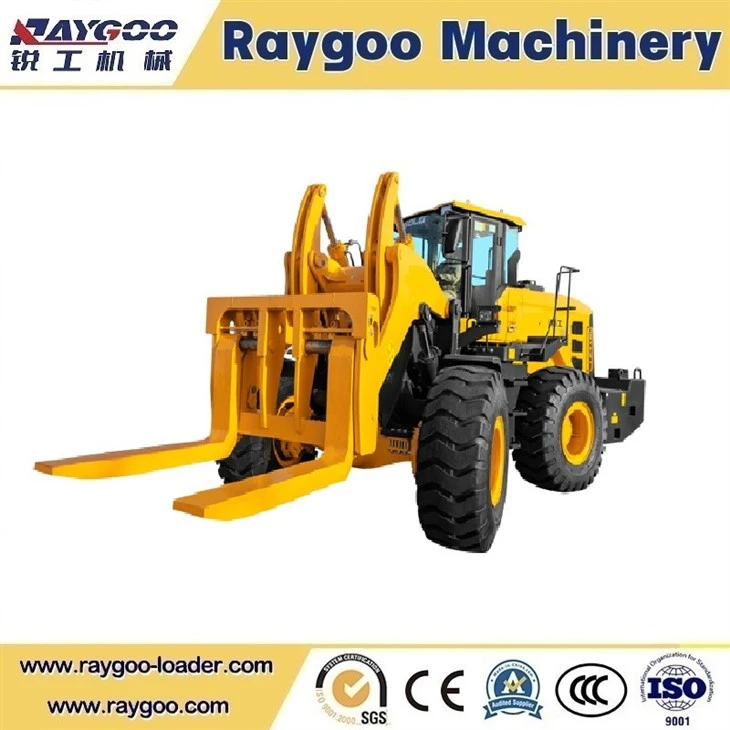

SDLG is constantly working on improving the noise - reduction technology of its wheel loaders. Research and development teams are exploring new engine designs, better - insulated hydraulic systems, and more advanced tire materials to further reduce the noise output. For example, some new models are being tested with advanced mufflers that can significantly reduce the engine noise without sacrificing performance.
In conclusion, the noise level of an SDLG wheel loader during operation is influenced by multiple factors, including the engine, hydraulic system, and tire - ground interaction. Different models have different noise characteristics, but overall, SDLG is committed to providing wheel loaders with relatively low noise levels to ensure the comfort of operators, compliance with regulations, and minimal impact on the surrounding environment.
If you're in the market for a high - quality wheel loader with reasonable noise levels, we invite you to reach out to us for more information. We can provide detailed specifications, product demonstrations, and assist you in choosing the right SDLG wheel loader for your specific needs. Contact us to start the procurement negotiation process and take your construction operations to the next level.
References
- Construction Equipment Noise Standards and Guidelines, International Construction Research Institute
- SDLG Wheel Loader Technical Manuals