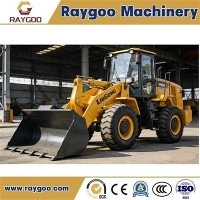
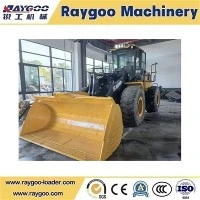
When it comes to heavy - duty construction and earth - moving tasks, a 10 - ton wheel loader is a workhorse on many job sites. As a supplier of 10 - ton wheel loaders, I'm often asked about the operating weight of these powerful machines. In this blog post, I'll delve into what the operating weight of a 10 - ton wheel loader means, why it's important, and how it can impact the performance of the equipment.
Understanding the Concept of Operating Weight
The operating weight of a 10 - ton wheel loader refers to the total weight of the machine when it's fully equipped and ready for operation. This includes the weight of the loader itself, such as the chassis, engine, hydraulic system, and cab. It also accounts for the weight of the standard attachments, a full fuel tank, and an average amount of coolant and lubricants. Additionally, the weight of the operator is factored in.


For a 10 - ton wheel loader, the term "10 - ton" typically refers to its rated payload capacity. However, the operating weight is usually higher than the rated payload. This is because the machine needs to be heavy enough to provide stability and counterbalance when lifting and moving heavy loads. A loader with insufficient operating weight may tip over or struggle to maintain traction, especially when dealing with large or unevenly distributed loads.
Factors Affecting the Operating Weight
Several factors can influence the operating weight of a 10 - ton wheel loader.
1. Structural Design
The design of the loader's frame and body plays a significant role in determining its weight. A more robust and heavy - duty frame will add to the overall weight of the machine. Manufacturers often use high - strength steel in the construction of the frame to ensure durability and longevity. However, this also means that the loader will be heavier compared to models with a lighter - weight frame design.
2. Engine and Power System
The engine is one of the heaviest components of a wheel loader. A more powerful engine, which is often required for a 10 - ton loader to handle heavy loads, will generally be larger and heavier. Additionally, the associated components of the power system, such as the radiator, fuel tank, and exhaust system, also contribute to the overall weight.
3. Attachments
The type and number of attachments used with the wheel loader can have a substantial impact on its operating weight. Standard attachments like buckets come in different sizes and weights. For example, a larger capacity bucket will be heavier than a smaller one. Specialized attachments, such as forks or grapples, also add to the weight. Some operators may choose to install additional features like a quick - coupler system, which further increases the weight.
4. Hydraulic System
The hydraulic system is crucial for the operation of a wheel loader, as it powers the lifting, tilting, and steering functions. A well - designed hydraulic system with large - diameter hoses and high - capacity pumps will be heavier. The hydraulic fluid itself also adds to the weight, and a full reservoir of fluid is included in the operating weight calculation.
Importance of Operating Weight
The operating weight of a 10 - ton wheel loader is not just a random number; it has several important implications for the machine's performance and safety.
1. Stability
One of the primary reasons for having an appropriate operating weight is to ensure stability. When a wheel loader is lifting a heavy load, it creates a moment of force that can cause the machine to tip forward. A sufficient operating weight provides the necessary counterbalance to prevent this from happening. The weight distribution of the loader is also crucial. Manufacturers design the machines to have a low center of gravity, which further enhances stability.
2. Traction
Traction is essential for a wheel loader to move smoothly and efficiently, especially when carrying heavy loads on uneven or soft terrain. A heavier loader generally has better traction because the additional weight presses the tires more firmly against the ground. This increases the friction between the tires and the surface, allowing the loader to move without slipping.
3. Lifting Capacity
The operating weight is closely related to the loader's lifting capacity. A loader with a higher operating weight can typically lift heavier loads. This is because the weight of the machine provides the necessary support and balance for the lifting mechanism. However, it's important to note that the lifting capacity is also limited by the strength of the hydraulic system and the structural integrity of the loader.
Examples of 10 - Ton Wheel Loaders and Their Operating Weights
Let's take a look at some specific models of 10 - ton wheel loaders and their operating weights.
The Brand New Electirc Wheel Loader XC968 - EV is an advanced electric - powered wheel loader. Its operating weight is carefully calibrated to provide optimal performance. The electric drivetrain, while more energy - efficient, also has its own weight characteristics. The battery pack, which is a significant component of the electric system, adds to the overall weight. This model is designed to be both powerful and stable, with an operating weight that allows it to handle heavy loads with ease.
Another popular model is the Wheel Loader XCMG LW600KV. This loader is known for its reliability and high - performance capabilities. The operating weight of the XCMG LW600KV is a result of its heavy - duty frame, powerful engine, and advanced hydraulic system. It's designed to work in demanding construction and mining environments, where stability and lifting capacity are of utmost importance.
If you're looking for a slightly larger option, the 12 - ton Front End Loader offers even more power and capacity. Although it's not a 10 - ton loader, it provides a comparison in terms of weight and performance. The operating weight of this loader is higher, which allows it to handle even heavier loads and operate in more challenging conditions.
Impact of Operating Weight on Transportation and Site Conditions
The operating weight of a 10 - ton wheel loader also has implications for transportation and site conditions.
When transporting a wheel loader from one location to another, the weight of the machine is a critical factor. Heavy - duty trailers and trucks are required to safely transport a 10 - ton loader. Additionally, the weight may be subject to transportation regulations, such as maximum weight limits on certain roads and bridges.
On the job site, the operating weight can affect the type of terrain the loader can operate on. A heavier loader may cause more ground compaction, which can be a problem in some applications, such as landscaping or agricultural work. However, in construction and mining sites, where the ground is more robust, the additional weight can be an advantage for stability and traction.
Conclusion
In conclusion, the operating weight of a 10 - ton wheel loader is a complex and important characteristic that affects its performance, safety, and usability. It's determined by various factors, including the design, components, and attachments of the machine. Understanding the operating weight is crucial for operators and contractors to make informed decisions about which loader to choose for their specific needs.
If you're in the market for a 10 - ton wheel loader, or if you have any questions about operating weights or other aspects of these machines, I encourage you to reach out. Our team of experts is ready to assist you in finding the perfect loader for your project. Contact us to start a discussion about your requirements and explore the options available.
References
- Construction Equipment Handbook, various editions
- Manufacturer's specifications for 10 - ton wheel loaders
- Industry research reports on heavy - duty machinery performance