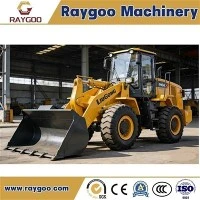
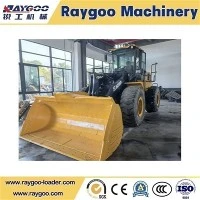
Hey there! As a supplier of medium wheel loaders, I often get asked about the service interval for the hoses and fittings of these machines. It's a crucial topic because proper maintenance of hoses and fittings can significantly impact the performance and lifespan of a medium wheel loader. So, let's dive right in and break it down.
First off, what are hoses and fittings in a medium wheel loader? Well, hoses are like the arteries of the machine. They carry hydraulic fluid, which is essential for powering the various functions of the loader, such as lifting the bucket and tilting it. Fittings, on the other hand, are the connectors that hold the hoses in place and ensure a leak - free connection. Without well - maintained hoses and fittings, your loader could experience all sorts of problems, from reduced efficiency to complete breakdowns.
Now, let's talk about the factors that determine the service interval for hoses and fittings.
Operating Conditions
One of the biggest factors is the operating conditions. If your medium wheel loader is working in a harsh environment, like a construction site with a lot of dust, dirt, and debris, the hoses and fittings will be under more stress. The dust can wear down the outer layer of the hoses, making them more prone to leaks. In this case, you might need to check and replace the hoses and fittings more frequently. For example, in a really dirty construction site, you might want to inspect the hoses and fittings every 200 - 300 operating hours.
On the other hand, if the loader is used in a relatively clean environment, like a warehouse or a landscaping project where there's less dust and debris, the service interval can be extended. You could probably get away with inspecting them every 400 - 500 operating hours.
Frequency of Use
How often you use the loader also matters. If it's used continuously, say in a 24/7 operation at a large quarry, the hoses and fittings will experience more wear and tear. The constant flow of hydraulic fluid and the movement of the loader can cause the hoses to flex and the fittings to loosen. In a high - usage scenario, it's advisable to check the hoses and fittings every 150 - 250 operating hours.
But if the loader is used only occasionally, like for small - scale agricultural work a few times a month, you can stretch the service interval to 500 - 600 operating hours.
Quality of Hoses and Fittings
The quality of the hoses and fittings you use in your medium wheel loader makes a huge difference. High - quality hoses and fittings are made from better materials and are designed to withstand more stress. They are less likely to develop leaks or break down. If you've installed top - notch hoses and fittings, you can generally expect a longer service interval.
For instance, if you use premium hoses and fittings, you might be able to go 400 - 600 operating hours between inspections. However, if you've gone for cheaper, lower - quality options, you'll probably need to check them every 200 - 400 operating hours.
Manufacturer's Recommendations
Don't forget to follow the manufacturer's recommendations. Each medium wheel loader model has specific guidelines regarding the service interval for hoses and fittings. These recommendations are based on extensive testing and research by the manufacturer.
For example, for the Wheel Loader XCMG LW500HV, the manufacturer might suggest inspecting the hoses and fittings every 300 - 450 operating hours. Similarly, for the 8 - ton Bucket Loader and Wheel Loader XCMG LW500FV, there will be their own set of guidelines. Always refer to the owner's manual for the most accurate information.


Signs That Hoses and Fittings Need Attention
Even if you're following a regular service interval, it's important to keep an eye out for signs that the hoses and fittings need attention. Some common signs include:
- Leaks: If you notice hydraulic fluid leaking from the hoses or fittings, that's a clear sign that there's a problem. Leaks can not only reduce the efficiency of the loader but also pose a safety hazard.
- Visible Damage: Look for cracks, cuts, or bulges on the hoses. These can weaken the hose and lead to a rupture. Also, check the fittings for signs of corrosion or looseness.
- Reduced Performance: If the loader is not performing as well as it used to, like slower bucket movements or less lifting power, it could be due to a problem with the hoses or fittings.
Maintenance Tips
To ensure the longevity of your hoses and fittings, here are some maintenance tips:
- Keep Them Clean: Regularly clean the hoses and fittings to remove dust, dirt, and debris. This can prevent premature wear.
- Tighten Fittings: Periodically check and tighten the fittings to prevent leaks. But be careful not to over - tighten them, as this can damage the fittings.
- Replace Worn Parts: Don't wait until a hose or fitting fails completely. If you notice any signs of wear or damage, replace them as soon as possible.
Importance of Regular Service
Regularly servicing the hoses and fittings of your medium wheel loader is not just about preventing breakdowns. It can also save you money in the long run. By catching problems early, you can avoid costly repairs and downtime. A well - maintained loader will also have a higher resale value if you ever decide to sell it.
In conclusion, there's no one - size - fits - all answer to the question of what the service interval for the hoses and fittings of a medium wheel loader is. It depends on a variety of factors, including operating conditions, frequency of use, quality of parts, and manufacturer's recommendations. By being aware of these factors and following the maintenance tips, you can keep your loader running smoothly for years to come.
If you're in the market for a medium wheel loader or need more information about hose and fitting maintenance, feel free to reach out. We're here to help you make the best decision for your business. Whether you're interested in the Wheel Loader XCMG LW500HV, 8 - ton Bucket Loader, or Wheel Loader XCMG LW500FV, we've got you covered. Let's start a conversation about your needs and how we can provide the right solutions for you.
References
- Medium wheel loader owner's manuals
- Industry research on hydraulic hose and fitting maintenance