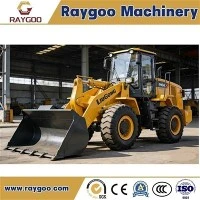
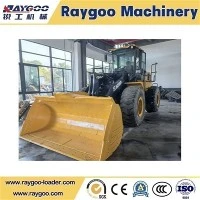
As a supplier of 20 Ton Wheel Loaders, I often get asked about the steering system types of these powerful machines. In this blog, I'll delve into the different steering system types commonly found in 20 Ton Wheel Loaders, their characteristics, advantages, and how they contribute to the overall performance of the loader.
Hydraulic Steering System
One of the most prevalent steering system types in 20 Ton Wheel Loaders is the hydraulic steering system. This system relies on hydraulic pressure to assist the operator in turning the wheels. The basic principle involves a hydraulic pump that generates fluid pressure, which is then directed to hydraulic cylinders connected to the steering mechanism.
The hydraulic steering system offers several advantages. Firstly, it provides high steering force, making it suitable for large and heavy vehicles like 20 Ton Wheel Loaders. This allows for easy maneuverability even in tough working conditions. Secondly, it offers smooth and precise steering control. The operator can easily adjust the steering angle with minimal effort, ensuring accurate positioning of the loader during loading and unloading operations.
Another benefit is its reliability. Hydraulic systems are known for their durability and ability to withstand harsh environments. They are less prone to mechanical failures compared to some other steering systems, which means less downtime and lower maintenance costs.
However, hydraulic steering systems also have some drawbacks. They require a hydraulic fluid reservoir and a complex network of hoses and valves. This adds to the overall weight and complexity of the loader. Additionally, hydraulic fluid can leak over time, which not only requires regular checks and maintenance but can also be a potential environmental hazard if not properly managed.
Electro - Hydraulic Steering System
The electro - hydraulic steering system is an advanced version of the traditional hydraulic steering system. It combines electrical control with hydraulic power to provide enhanced steering performance. In this system, sensors detect the operator's steering input, and an electronic control unit (ECU) processes this information. The ECU then sends signals to solenoid valves, which regulate the flow of hydraulic fluid to the steering cylinders.
One of the main advantages of the electro - hydraulic steering system is its flexibility. The ECU can adjust the steering response based on various factors such as vehicle speed, load, and operating conditions. For example, at lower speeds, the steering can be made more sensitive for easier maneuvering in tight spaces, while at higher speeds, it can be made less sensitive for better stability.
It also offers improved energy efficiency. Since the system can precisely control the flow of hydraulic fluid, it can reduce unnecessary power consumption compared to a traditional hydraulic steering system. This leads to lower fuel consumption and a more eco - friendly operation.
Moreover, electro - hydraulic steering systems can be integrated with other vehicle control systems. For instance, they can be linked to the loader's stability control system, which can help prevent roll - overs by automatically adjusting the steering in certain situations.
However, electro - hydraulic steering systems are more complex and expensive than traditional hydraulic systems. The electronic components are more susceptible to damage from electrical interference, moisture, and extreme temperatures. This requires additional protective measures and more specialized maintenance.

Articulated Steering System
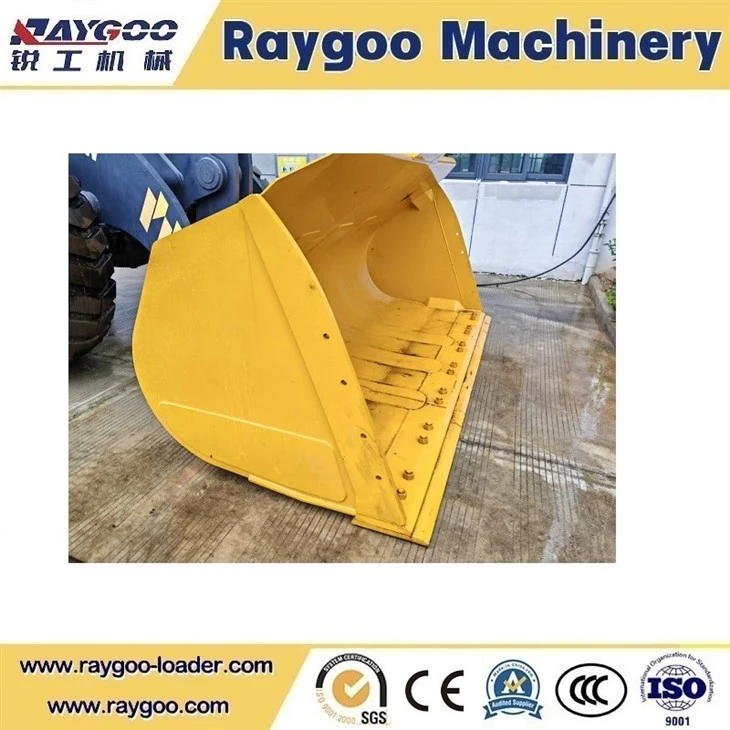
Many 20 Ton Wheel Loaders are equipped with an articulated steering system. In an articulated loader, the machine is divided into two sections: the front and the rear. These two sections are connected by a pivot point, and the steering is achieved by hydraulically actuating cylinders at this pivot point to bend the loader at the joint.
The main advantage of the articulated steering system is its excellent maneuverability. Articulated loaders can turn in a very tight radius, which is ideal for working in confined areas such as construction sites with limited space. They can easily navigate around obstacles and perform tasks in areas where a non - articulated loader would struggle to operate.
Another benefit is the distribution of weight. Since the loader is articulated, the weight is more evenly distributed between the front and rear axles, which improves traction and stability. This allows the loader to handle heavier loads more effectively.
Articulated steering also provides a better view for the operator. The operator can have a clear line of sight in all directions, which enhances safety during operation.
On the downside, articulated loaders require a more skilled operator. The steering mechanism is different from a traditional wheel - steering system, and operators need to be trained to handle the unique characteristics of articulated steering. Additionally, the pivot point and the associated hydraulic cylinders require regular maintenance to ensure smooth operation.
Comparison and Selection
When choosing the right steering system for a 20 Ton Wheel Loader, several factors need to be considered. If the loader is going to be used mainly in large open areas where high - speed operation and straight - line stability are important, a traditional hydraulic steering system might be a good choice. Its simplicity and reliability make it suitable for continuous, heavy - duty operations.
If the loader needs to operate in a variety of conditions and the operator requires more precise control and adjustable steering response, the electro - hydraulic steering system is a better option. It offers the flexibility to adapt to different situations, which can improve productivity and safety.
For operations in tight spaces, such as indoor construction sites or small quarries, an articulated steering system is highly recommended. Its superior maneuverability allows the loader to work efficiently in confined areas.
As a 20 Ton Wheel Loader supplier, we offer a range of loaders with different steering system types to meet the diverse needs of our customers. If you are looking for a loader with a specific steering system, we can help you find the perfect match.
We also have other great products in our lineup. For those who might need a smaller loader, we have the 14 Ton Wheel Loader. It offers similar performance features but in a more compact size. If you are interested in eco - friendly options, our Brand New Electirc Wheel Loader XC968 - EV is a great choice. And for those who prefer a well - known brand, the Wheel Loader XCMG LW700KN is a reliable and powerful machine.
If you are in the market for a 20 Ton Wheel Loader or any of our other products, we encourage you to contact us for a detailed discussion. Our team of experts can provide you with more information about the steering systems, the features of our loaders, and help you make an informed decision. We are committed to providing high - quality products and excellent customer service.
References
- "Construction Equipment Handbook" by Equipment World Media Group
- "Hydraulic Systems: Principles, Maintenance, and Troubleshooting" by Eugene F. Meyer
- "Steering System Design for Heavy - Duty Vehicles" by automotive engineering research papers