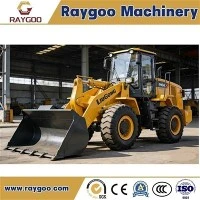
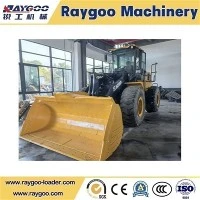
As a supplier of the Liugong 856 loader, I have received numerous inquiries regarding the vibration level in the cab during operation. This topic is of great significance as it directly impacts operator comfort, productivity, and long - term health. In this blog, I will delve into the factors influencing the vibration level in the Liugong 856 loader cab, the standards for acceptable vibration, and how Liugong addresses these issues to provide a better working environment.
Factors Influencing Vibration Levels
1. Working Conditions
The nature of the loader's work plays a crucial role in determining the vibration level. When the Liugong 856 is engaged in heavy - duty tasks such as loading large amounts of gravel or rocks, the impact forces generated during the scooping and dumping operations are substantial. These forces are transmitted through the machine's structure to the cab, resulting in higher vibration levels. For example, when the loader is working on a rough and uneven terrain, the continuous jolts and bumps cause the machine to vibrate more vigorously. The tires constantly encounter obstacles, and the suspension system has to work harder to absorb the shocks, leading to increased vibration in the cab.
2. Machine Design and Components
The design of the Liugong 856 loader and the quality of its components also affect the vibration level. The engine, which is the power source of the loader, can generate vibrations during its operation. The balance of the engine's rotating parts, such as the crankshaft and pistons, is essential. If these parts are not properly balanced, it can cause excessive vibrations that are transmitted throughout the machine.
The hydraulic system is another critical component. The pressure fluctuations in the hydraulic cylinders during the lifting and lowering of the bucket can contribute to vibrations. For instance, a sudden increase or decrease in hydraulic pressure can cause a jerky movement of the bucket, which is then felt in the cab as vibration.
The cab's mounting system is also a key factor. A well - designed mounting system can isolate the cab from the vibrations generated by the rest of the machine. Liugong has made significant efforts in this area by using advanced rubber mounts that absorb and dampen vibrations, reducing the amount of vibration transferred to the operator.
Standards for Acceptable Vibration
There are international and national standards that define the acceptable levels of vibration for operators in construction machinery. The International Organization for Standardization (ISO) has set guidelines in ISO 2631, which specifies the exposure limits for whole - body vibration. These limits are based on the frequency and magnitude of the vibration, as well as the duration of exposure.
In general, for an 8 - hour workday, the acceptable root - mean - square (RMS) acceleration value for whole - body vibration should be within a certain range. Exceeding these limits can lead to various health problems for the operator, such as back pain, neck pain, and even long - term musculoskeletal disorders.


The Liugong 856 loader is designed to meet these standards. Through continuous research and development, Liugong engineers have optimized the machine's design and components to keep the vibration levels within the acceptable range. This not only ensures the well - being of the operators but also helps to improve their work efficiency.
How Liugong Addresses Vibration Issues
1. Advanced Engine Technology
Liugong uses advanced engine technology in the 856 loader. The engines are carefully balanced during the manufacturing process to minimize vibrations. Additionally, the engine mounts are designed to isolate the engine from the rest of the machine. These mounts are made of high - quality rubber materials that have excellent vibration - damping properties. This helps to reduce the vibrations generated by the engine and prevent them from being transmitted to the cab.
2. Hydraulic System Optimization
The hydraulic system of the Liugong 856 loader is optimized to reduce pressure fluctuations. Liugong uses high - precision hydraulic valves and pumps that can control the flow and pressure of the hydraulic fluid more accurately. This results in smoother operation of the bucket and other hydraulic components, thereby reducing vibrations. For example, the proportional control valves in the hydraulic system can adjust the flow rate according to the load, ensuring a more stable and vibration - free operation.
3. Cab Design and Mounting
The cab of the Liugong 856 loader is designed with operator comfort in mind. It is equipped with a state - of - the - art mounting system that effectively isolates the cab from the machine's vibrations. The rubber mounts used in the cab mounting system are carefully selected and tested to provide the best possible vibration isolation.
Inside the cab, the seats are also designed to reduce the impact of vibrations on the operator. They are equipped with adjustable suspension systems that can be customized according to the operator's weight and preference. This helps to further reduce the whole - body vibration experienced by the operator.
Comparing Vibration Levels with Other Liugong Loaders
It is also interesting to compare the vibration levels of the Liugong 856 loader with other models in the Liugong lineup. For example, the Liugong 820H is a smaller loader, and its vibration levels may be different due to its different size and power. The smaller size may result in less mass to absorb the vibrations, but it also has a less powerful engine, which may generate less vibration in the first place.
The LiuGong 5tons Used Wheel Loader in Good Conditon and the Liugong 856h Wheel Loader are similar in terms of their load - carrying capacity. However, the 856h may have some improvements in vibration reduction technology compared to older models.
The Used Wheel Loader 856H Max and the Liugong 886H are larger and more powerful loaders. They may experience higher vibration levels during heavy - duty operations, but Liugong has also implemented more advanced vibration - reduction measures in these models to ensure operator comfort.
Conclusion
In conclusion, the vibration level in the cab of the Liugong 856 loader during operation is influenced by various factors such as working conditions, machine design, and components. Liugong has taken significant steps to address these issues by using advanced engine technology, optimizing the hydraulic system, and designing a comfortable and well - isolated cab. The loader is designed to meet international standards for acceptable vibration levels, which is crucial for the health and productivity of the operators.
If you are in the market for a loader and are concerned about vibration levels, the Liugong 856 loader is an excellent choice. We are a reliable supplier of Liugong 856 loaders, and we are committed to providing high - quality products and services. If you have any questions or are interested in purchasing a Liugong 856 loader, please feel free to contact us for further discussion and negotiation.
References
- ISO 2631 - 1:1997, Mechanical vibration and shock - Evaluation of human exposure to whole - body vibration - Part 1: General requirements.