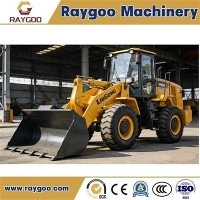
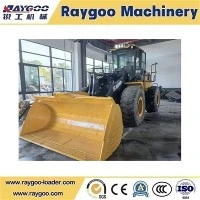
As a supplier of large wheel loaders, I'm often asked about the working principle of these powerful machines. In this blog post, I'll delve into the intricacies of how a large wheel loader operates, exploring its key components and the processes that enable it to perform heavy-duty tasks efficiently.
Key Components of a Large Wheel Loader
Before we discuss the working principle, let's first familiarize ourselves with the main components of a large wheel loader. These components work in harmony to ensure the smooth and effective operation of the machine.
Engine
The engine is the heart of the wheel loader, providing the power necessary to drive the machine and operate its various functions. Most large wheel loaders are equipped with diesel engines, which offer high torque and fuel efficiency. The engine drives the hydraulic pump, which is responsible for powering the hydraulic system.
Hydraulic System
The hydraulic system is a critical part of the wheel loader, as it controls the movement of the bucket, boom, and other attachments. It consists of a hydraulic pump, cylinders, valves, and hoses. The hydraulic pump, driven by the engine, pressurizes the hydraulic fluid, which is then directed to the cylinders through the valves. The cylinders convert the hydraulic pressure into mechanical force, allowing the bucket and boom to move up, down, and tilt.
Transmission
The transmission transfers power from the engine to the wheels, enabling the wheel loader to move forward and backward. There are two main types of transmissions used in large wheel loaders: mechanical and hydrostatic. Mechanical transmissions use gears to change the speed and torque of the wheels, while hydrostatic transmissions use hydraulic fluid to transfer power. Hydrostatic transmissions offer smoother operation and better control, especially in tight spaces.
Axles and Wheels
The axles and wheels support the weight of the wheel loader and provide traction. The front axle is usually steerable, allowing the operator to control the direction of the machine. The wheels are equipped with large, heavy-duty tires that provide good grip on various surfaces, including dirt, gravel, and snow.
Bucket and Attachments
The bucket is the primary working tool of the wheel loader, used for scooping, lifting, and transporting materials. It is attached to the boom, which can be raised and lowered to adjust the height of the bucket. In addition to the bucket, wheel loaders can be equipped with a variety of attachments, such as forks, grapples, and snowplows, to perform different tasks.
Working Principle of a Large Wheel Loader
Now that we've covered the key components, let's take a closer look at how a large wheel loader works. The operation of a wheel loader can be divided into several stages:


Approach and Positioning
The operator first drives the wheel loader to the material to be loaded. They position the machine so that the bucket is in front of the material, with the appropriate distance and angle for scooping. The operator uses the steering wheel and pedals to control the movement and direction of the wheel loader.
Scooping
Once the wheel loader is in position, the operator lowers the boom and bucket to the ground. They then engage the forward gear and drive the machine forward, pushing the bucket into the material. As the bucket penetrates the material, the operator raises the boom slightly to lift the material into the bucket. The hydraulic system provides the necessary force to scoop and lift the material.
Lifting and Transporting
After the bucket is filled with material, the operator raises the boom to lift the bucket off the ground. They then drive the wheel loader to the desired location, such as a truck or a stockpile. During transportation, the operator can adjust the height and angle of the bucket to ensure the material remains stable.
Dumping
When the wheel loader reaches the destination, the operator tilts the bucket forward to dump the material. They can control the speed and angle of the dumping process using the hydraulic system. Once the bucket is empty, the operator can lower the boom and return to the loading area to repeat the process.
Advanced Features and Technologies
Modern large wheel loaders are equipped with a range of advanced features and technologies that enhance their performance, efficiency, and safety. Some of these features include:
Automatic Bucket Leveling
This feature automatically levels the bucket when it is raised or lowered, ensuring that the material is evenly distributed and preventing spillage.
Load Weighing System
A load weighing system measures the weight of the material in the bucket, allowing the operator to accurately control the load and avoid overloading.
Joystick Controls
Joystick controls provide a more intuitive and precise way to operate the wheel loader, reducing operator fatigue and improving productivity.
Telematics
Telematics systems collect and transmit data about the wheel loader's performance, such as fuel consumption, engine hours, and maintenance alerts. This data can be used to optimize the operation of the machine and reduce downtime.
Conclusion
In conclusion, the working principle of a large wheel loader is based on the interaction of its key components, including the engine, hydraulic system, transmission, axles, wheels, and bucket. These components work together to enable the wheel loader to scoop, lift, transport, and dump materials efficiently. With the advancement of technology, modern wheel loaders are becoming more powerful, versatile, and user-friendly.
If you're in the market for a large wheel loader, we offer a wide range of models to meet your specific needs. Our 20 Ton Wheel Loader is a powerful and reliable machine, suitable for heavy-duty applications. We also have the Wheel Loader XCMG LW700KN and Wheel Loader XCMG LW600KV, which are known for their excellent performance and durability.
If you have any questions or would like to discuss your requirements, please don't hesitate to contact us. We're here to help you find the perfect wheel loader for your business.
References
- SAE International. (2021). Off - Highway Truck and Loader Engineering Handbook.
- Caterpillar Inc. (2020). Wheel Loader Operation and Maintenance Manual.
- Komatsu Ltd. (2019). Large Wheel Loader Technical Guide.