Can an 8 Ton Wheel Loader be used for grain handling?


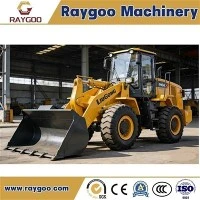
As a supplier of 8 ton wheel loaders, I often get asked whether these powerful machines can be effectively used for grain handling. In this blog post, I'll explore the capabilities of 8 ton wheel loaders in the context of grain handling, discussing their advantages, limitations, and key considerations.
Advantages of Using an 8 Ton Wheel Loader for Grain Handling
High Capacity
One of the primary advantages of an 8 ton wheel loader is its substantial capacity. With a large bucket, it can scoop up a significant amount of grain in a single pass. This high-capacity loading capability allows for efficient transfer of grain from storage bins, trucks, or railcars to other locations, such as processing facilities or shipping containers. For large-scale grain operations, this can significantly reduce the time and labor required for handling large volumes of grain.
Maneuverability
Despite their size, 8 ton wheel loaders are surprisingly maneuverable. They can easily navigate around grain storage facilities, loading docks, and other areas where grain is handled. Their ability to turn in tight spaces and move quickly between different locations makes them ideal for tasks that require frequent movement and positioning. This maneuverability also allows operators to access hard-to-reach areas, ensuring that all grain can be effectively handled.
Power and Performance
8 ton wheel loaders are equipped with powerful engines that provide the necessary torque and horsepower to handle heavy loads of grain. They can easily lift and transport large quantities of grain over short to medium distances. The hydraulic systems in these loaders are designed to provide smooth and precise control, allowing operators to handle grain with care and avoid spillage. Additionally, the strong construction of the loader ensures durability and reliability, even in the demanding environment of grain handling.
Versatility
In addition to grain handling, 8 ton wheel loaders can be used for a variety of other tasks in the agricultural and industrial sectors. They can be equipped with different attachments, such as forks, grapples, and sweepers, to perform tasks like moving pallets, handling bales, and cleaning up grain spills. This versatility makes them a valuable investment for businesses that need to perform multiple tasks with a single machine.
Limitations of Using an 8 Ton Wheel Loader for Grain Handling
Potential for Grain Damage
While 8 ton wheel loaders are designed to handle heavy loads, the force exerted by the bucket when scooping up grain can sometimes cause damage to the kernels. This is especially true if the loader is operated too aggressively or if the grain is already in a fragile state. Grain damage can reduce the quality of the grain and lead to financial losses for farmers and grain handlers. To minimize the risk of grain damage, operators should be trained to use the loader gently and avoid excessive force.
Dust Generation
Grain handling can generate a significant amount of dust, which can be a health hazard for operators and other workers in the area. 8 ton wheel loaders can contribute to dust generation, especially when loading and unloading grain. To mitigate this issue, it is important to use proper dust control measures, such as installing dust collectors and using water sprays to suppress dust. Additionally, operators should wear appropriate personal protective equipment, such as respirators, to protect themselves from dust inhalation.
Limited Reach
Although 8 ton wheel loaders are maneuverable, their reach may be limited in some situations. For example, they may not be able to reach the top of tall grain storage bins or into narrow spaces. In such cases, additional equipment, such as conveyors or grain elevators, may be required to transfer the grain to the desired location.
Key Considerations for Using an 8 Ton Wheel Loader for Grain Handling
Bucket Design
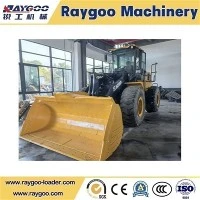
The design of the bucket is crucial for effective grain handling. A bucket with a smooth interior surface and rounded edges can help minimize grain damage and ensure that the grain flows easily out of the bucket. Additionally, the bucket should be the appropriate size and shape for the type of grain being handled. For example, a wider bucket may be more suitable for handling loose grain, while a narrower bucket may be better for handling grain in bags.
Operator Training
Proper operator training is essential for safe and efficient grain handling with an 8 ton wheel loader. Operators should be trained on how to use the loader correctly, including how to operate the controls, how to position the loader for optimal loading and unloading, and how to avoid grain damage. They should also be trained on safety procedures, such as how to wear personal protective equipment and how to prevent dust inhalation.
Maintenance and Inspection
Regular maintenance and inspection of the 8 ton wheel loader are necessary to ensure its continued performance and reliability. This includes checking the engine, hydraulic system, brakes, and other components for wear and tear, and performing any necessary repairs or replacements. Additionally, the loader should be cleaned regularly to remove any grain residue and prevent the buildup of dust and debris.
Our 8 Ton Wheel Loader Offerings
At our company, we offer a range of high-quality 8 ton wheel loaders that are suitable for grain handling. Our loaders are designed with the latest technology and features to provide optimal performance, reliability, and versatility. Some of our popular models include:
- The Used LG856 Wheel Loader in Good Conditon With Good Price: This used wheel loader is in excellent condition and offers a great value for money. It is equipped with a powerful engine and a large bucket, making it ideal for grain handling.
- 8-ton Bucket Loader: Our 8-ton bucket loader is a heavy-duty machine that is designed to handle large volumes of grain. It features a durable construction and advanced hydraulic system for smooth and precise operation.
- Wheel Loader XCMG LW500FV: The XCMG LW500FV is a popular wheel loader that is known for its reliability and performance. It is equipped with a fuel-efficient engine and a comfortable operator cabin, making it a great choice for long hours of grain handling.
Conclusion
In conclusion, an 8 ton wheel loader can be a valuable asset for grain handling operations. Its high capacity, maneuverability, power, and versatility make it well-suited for tasks such as loading and unloading grain, moving grain between storage facilities, and performing other related tasks. However, it is important to be aware of the potential limitations, such as grain damage and dust generation, and to take appropriate measures to mitigate these issues. By choosing the right loader, providing proper operator training, and performing regular maintenance, businesses can ensure that their 8 ton wheel loader operates efficiently and effectively in the grain handling environment.
If you are interested in learning more about our 8 ton wheel loaders or would like to discuss your specific grain handling needs, please feel free to contact us. Our team of experts is ready to assist you in finding the right solution for your business.
References
- "Grain Handling and Storage Handbook." American Society of Agricultural and Biological Engineers.
- "Wheel Loader Operator's Manual." Various manufacturers.