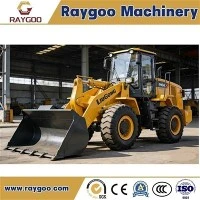
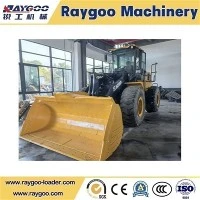
Lubrication is a crucial maintenance task for an 8 Ton Wheel Loader. As a reputable supplier of 8 Ton Wheel Loaders, I understand the significance of proper lubrication in ensuring the longevity and optimal performance of these powerful machines. In this blog post, I will guide you through the process of lubricating an 8 Ton Wheel Loader, covering everything from the importance of lubrication to the step-by-step procedures.
Why Lubrication Matters
Before delving into the lubrication process, it's essential to understand why lubrication is so important for an 8 Ton Wheel Loader. Lubrication serves several critical functions:
- Reducing Friction: Friction is the enemy of any moving parts. In a wheel loader, numerous components, such as bearings, gears, and cylinders, are in constant motion. Lubrication creates a thin film between these parts, reducing friction and wear. This not only extends the lifespan of the components but also improves the overall efficiency of the machine.
- Preventing Corrosion: The working environment of a wheel loader can be harsh, with exposure to moisture, dirt, and chemicals. Lubricants act as a protective barrier, preventing corrosion and rust from forming on the metal surfaces of the machine.
- Dissipating Heat: During operation, the components of a wheel loader generate a significant amount of heat. Lubricants help to dissipate this heat, preventing overheating and potential damage to the machine.
- Sealing and Contaminant Removal: Lubricants can also act as a sealant, preventing dirt, dust, and other contaminants from entering the internal components of the machine. Additionally, they can carry away any debris or contaminants that may have entered the system, keeping the components clean and functioning properly.
Choosing the Right Lubricant
Selecting the appropriate lubricant for your 8 Ton Wheel Loader is crucial. The type of lubricant you need will depend on several factors, including the specific components of the machine, the operating conditions, and the manufacturer's recommendations. Here are some general guidelines to help you choose the right lubricant:
- Viscosity: Viscosity refers to the thickness or resistance to flow of a lubricant. It is an important factor to consider, as the viscosity of the lubricant must be appropriate for the operating temperature and load conditions of the machine. In general, higher viscosity lubricants are better suited for high-load and high-temperature applications, while lower viscosity lubricants are more suitable for low-load and low-temperature conditions.
- Additives: Lubricants often contain additives that enhance their performance. These additives can include anti-wear agents, corrosion inhibitors, detergents, and antioxidants. Make sure to choose a lubricant that contains the appropriate additives for your specific application.
- Compatibility: It is important to ensure that the lubricant you choose is compatible with the materials used in the machine. Some lubricants may react with certain metals or plastics, causing damage to the components. Always refer to the manufacturer's recommendations for lubricant compatibility.
- Quality: Investing in high-quality lubricants is essential for the long-term performance and reliability of your wheel loader. Cheap or low-quality lubricants may not provide the same level of protection and performance as premium lubricants, and they may even cause damage to the machine over time.
Lubrication Points on an 8 Ton Wheel Loader
An 8 Ton Wheel Loader has several critical lubrication points that need to be regularly maintained. Here are some of the key lubrication points and the recommended lubricants for each:
- Engine Oil: The engine is the heart of the wheel loader, and proper lubrication of the engine oil is essential for its performance and longevity. Refer to the manufacturer's recommendations for the specific type and viscosity of engine oil to use, as well as the recommended oil change intervals.
- Hydraulic System: The hydraulic system of a wheel loader is responsible for powering the lifting, tilting, and steering functions of the machine. It is important to use a high-quality hydraulic fluid that meets the manufacturer's specifications. Check the hydraulic fluid level regularly and change it according to the recommended intervals.
- Transmission and Differential: The transmission and differential are responsible for transferring power from the engine to the wheels. They require a specific type of lubricant, such as a gear oil, to ensure smooth operation and prevent wear. Refer to the manufacturer's recommendations for the appropriate lubricant and change intervals.
- Grease Points: There are numerous grease points on an 8 Ton Wheel Loader, including the pivot points, joints, and bearings. These points need to be regularly greased to prevent friction and wear. Use a high-quality grease that is suitable for the specific application and follow the manufacturer's recommendations for greasing intervals.
- Final Drives: The final drives are the components that connect the transmission to the wheels. They require a specific type of lubricant, such as a hypoid gear oil, to ensure proper operation and prevent damage. Refer to the manufacturer's recommendations for the appropriate lubricant and change intervals.
Step-by-Step Lubrication Process
Now that you understand the importance of lubrication and have chosen the right lubricants, let's walk through the step-by-step process of lubricating an 8 Ton Wheel Loader:


- Prepare the Machine: Before starting the lubrication process, make sure the machine is parked on a level surface and the engine is turned off. Engage the parking brake and chock the wheels to prevent the machine from moving.
- Gather the Necessary Tools and Lubricants: Collect all the tools and lubricants you will need for the lubrication process. This may include oil drain pans, funnels, grease guns, and the appropriate lubricants for each lubrication point.
- Check the Fluid Levels: Start by checking the fluid levels of the engine oil, hydraulic fluid, and transmission fluid. If any of the fluid levels are low, add the appropriate lubricant to bring them up to the recommended levels.
- Drain and Replace the Engine Oil: If it's time for an oil change, locate the oil drain plug on the engine and place an oil drain pan underneath. Remove the drain plug and allow the old oil to drain completely. Once the oil has drained, replace the drain plug and refill the engine with the recommended type and amount of engine oil.
- Change the Hydraulic Fluid: If the hydraulic fluid needs to be changed, locate the hydraulic fluid reservoir and drain the old fluid. Replace the hydraulic filter if necessary, and then refill the reservoir with the recommended type and amount of hydraulic fluid.
- Lubricate the Grease Points: Use a grease gun to lubricate all the grease points on the machine. Apply the grease until it starts to squeeze out from the sides of the grease fitting. Make sure to lubricate all the pivot points, joints, and bearings as recommended by the manufacturer.
- Lubricate the Transmission and Differential: If the transmission and differential require lubrication, locate the fill and drain plugs and drain the old lubricant. Replace the lubricant with the recommended type and amount of gear oil.
- Lubricate the Final Drives: Similar to the transmission and differential, the final drives need to be lubricated with the appropriate hypoid gear oil. Locate the fill and drain plugs and drain the old lubricant. Replace it with the recommended type and amount of lubricant.
- Check and Tighten All Fasteners: After completing the lubrication process, check all the fasteners on the machine, including bolts, nuts, and screws, to ensure they are tightened properly.
- Clean Up: Clean up any spills or excess lubricant from the machine and dispose of the used lubricants and filters in accordance with local environmental regulations.
Additional Tips for Lubrication Maintenance
In addition to following the recommended lubrication procedures, here are some additional tips to help you maintain the lubrication system of your 8 Ton Wheel Loader:
- Keep a Maintenance Log: Maintain a detailed maintenance log that records the date of each lubrication service, the type and amount of lubricant used, and any other relevant information. This will help you keep track of the maintenance schedule and ensure that all lubrication points are properly maintained.
- Inspect the Lubrication System Regularly: Periodically inspect the lubrication system for any signs of leaks, damage, or contamination. Check the hoses, fittings, and seals for any cracks or wear, and replace them if necessary.
- Follow the Manufacturer's Recommendations: Always refer to the manufacturer's recommendations for lubrication procedures, lubricant types, and change intervals. The manufacturer's recommendations are based on extensive testing and research, and following them will help to ensure the optimal performance and longevity of your wheel loader.
- Train Your Operators: Provide proper training to your operators on the importance of lubrication and the correct lubrication procedures. Make sure they understand the lubrication points on the machine and how to perform basic lubrication tasks.
Conclusion
Proper lubrication is essential for the performance, reliability, and longevity of an 8 Ton Wheel Loader. By following the guidelines outlined in this blog post, you can ensure that your wheel loader is properly lubricated and maintained, reducing the risk of breakdowns and costly repairs.
If you're in the market for a high-quality 8 Ton Wheel Loader or need more information about lubrication and maintenance, we're here to help. We offer a wide range of The Used Wheel Loader LiugongZL50CN in Good Condition, Uesd XG982H Wheel Loader in Good Condition For Sale, and Wheel Loader XCMG LW500HV that are built to last. Contact us today to discuss your specific needs and let us help you find the perfect wheel loader for your business.
References
- Manufacturer's Operation and Maintenance Manual for 8 Ton Wheel Loader
- Industry Standards and Best Practices for Wheel Loader Lubrication