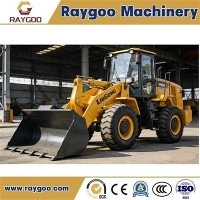
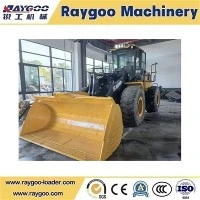
As a supplier of XCMG wheel loaders, I understand the importance of a properly adjusted seat in the cab. A well - adjusted seat not only enhances the operator's comfort but also improves safety and productivity. In this blog, I'll share some detailed steps on how to adjust the seat in the cab of an XCMG wheel loader.
Why Seat Adjustment Matters
Before diving into the adjustment process, let's briefly discuss why seat adjustment is crucial. When an operator sits in a poorly adjusted seat, it can lead to various problems. For example, improper seating position may cause fatigue, back pain, and neck strain over time. These discomforts can distract the operator from focusing on the task at hand, increasing the risk of accidents. Moreover, a comfortable operator is more likely to work efficiently, which can have a positive impact on the overall productivity of the construction or loading project.
Types of XCMG Wheel Loaders and Their Seat Features
XCMG offers a wide range of wheel loaders, such as the Xcmg Wheel Loader ZL60GN, 5ton Loader Zl50g, and Xcmg Wheel Loader Zl50gn. Each model may have slightly different seat features, but the basic adjustment principles remain the same.
Step - by - Step Guide to Adjusting the Seat
1. Seat Height Adjustment
The first step in adjusting the seat is to set the appropriate height. This ensures that the operator has a clear view of the controls and the working area outside the cab.
- Locate the height adjustment lever. In most XCMG wheel loaders, this lever is usually located on the side of the seat.
- Pull the lever up to release the locking mechanism. Then, either raise or lower the seat to the desired height. You should aim to have your eyes level with the top of the windshield or the main control panel, depending on the model.
- Once you've found the right height, release the lever to lock the seat in place.
2. Seat Fore - and - Aft Adjustment
The fore - and - aft adjustment allows you to position the seat closer or farther from the controls. This is important for reaching the pedals and the steering wheel comfortably.
- Find the fore - and - aft adjustment lever, which is typically located under the front part of the seat.
- Pull the lever to disengage the locking mechanism. Slide the seat forward or backward until your knees are slightly bent when you press the pedals. You should also be able to reach the steering wheel without stretching your arms too much.
- Release the lever to lock the seat in the adjusted position.
3. Seat Backrest Angle Adjustment
A proper backrest angle provides support for the operator's back and helps maintain a good posture.
- Look for the backrest adjustment lever, usually located on the side of the seat near the backrest.
- Pull or push the lever to adjust the angle of the backrest. The ideal backrest angle is one that allows your back to rest comfortably against it, with a natural curve in your spine. You may need to make small adjustments to find the most comfortable position.
- Once you're satisfied with the angle, release the lever to lock the backrest.
4. Lumbar Support Adjustment
Many XCMG wheel loader seats come with lumbar support adjustment features. Lumbar support helps reduce back fatigue by supporting the lower back.


- Locate the lumbar support adjustment knob or lever. This is often on the side of the seat near the backrest.
- Turn the knob or move the lever to increase or decrease the lumbar support. You should adjust it so that it fits the natural curve of your lower back.
5. Armrest Adjustment
Armrests can also be adjusted to provide additional comfort.
- Find the armrest adjustment mechanism, which may be a lever or a screw.
- Adjust the height and position of the armrests so that your arms can rest comfortably while operating the controls.
Additional Tips for Seat Adjustment
- Test the Adjustment: After making each adjustment, take a few minutes to sit in the seat and operate the controls. Make sure you can reach everything easily and that you feel comfortable. If not, make further adjustments.
- Consider the Operator's Body Type: Different operators have different body types. A seat that is well - adjusted for one operator may not be suitable for another. Encourage operators to make their own adjustments based on their individual needs.
- Regular Maintenance: Keep the seat and its adjustment mechanisms clean and lubricated. This will ensure smooth operation and prevent premature wear.
Importance of Training Operators on Seat Adjustment
As a supplier, it's not enough to just sell the XCMG wheel loaders. We also need to ensure that the operators are properly trained on seat adjustment. Provide training materials or on - site training to teach operators how to adjust the seat correctly. This will not only improve their comfort and safety but also extend the lifespan of the seat.
Conclusion
Adjusting the seat in the cab of an XCMG wheel loader is a simple yet crucial process. By following the steps outlined above, operators can ensure a comfortable and safe working environment. As a supplier, we are committed to providing high - quality XCMG wheel loaders and helping our customers get the most out of them. If you're interested in purchasing an XCMG wheel loader or have any questions about seat adjustment or other features, please feel free to contact us for further discussion and procurement negotiation.
References
- XCMG Wheel Loader User Manuals
- Industry best practices for heavy equipment seat adjustment