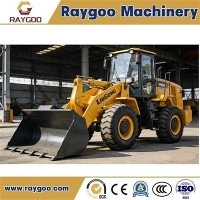
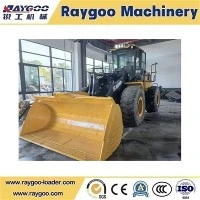
As a reputable medium wheel loader supplier, I understand the importance of proper maintenance for these heavy - duty machines. One crucial maintenance task is changing the axle oil. In this blog, I'll guide you through the process of changing the axle oil of a medium wheel loader, ensuring your equipment runs smoothly and efficiently.
Why Change Axle Oil?
Axle oil, also known as gear oil, plays a vital role in the operation of a medium wheel loader. It lubricates the gears and bearings in the axle, reducing friction and wear. Over time, the oil can break down due to heat, contaminants, and mechanical stress. Old and degraded axle oil can lead to increased friction, overheating, and premature wear of the axle components. By changing the axle oil at regular intervals, you can extend the lifespan of the axle, improve the loader's performance, and prevent costly repairs.
Pre - change Preparations
Before you start changing the axle oil, you need to gather the necessary tools and materials. Here's a list of what you'll need:
- Appropriate axle oil: Check the loader's manual to determine the correct type and viscosity of axle oil for your specific model. For example, some medium wheel loaders may require SAE 80W - 90 or SAE 75W - 140 gear oil.
- Drain pan: A large, sturdy drain pan to collect the old oil.
- Socket and wrench set: To remove the drain and fill plugs.
- Funnel: To pour the new oil into the axle.
- Safety equipment: Gloves and safety glasses to protect yourself from the hot oil and any contaminants.
Step - by - Step Guide to Changing Axle Oil
Step 1: Park the Loader on a Level Surface
Ensure the loader is parked on a flat and stable surface. Engage the parking brake and turn off the engine. Let the engine cool down for at least 30 minutes to prevent burns from the hot oil.
Step 2: Locate the Axle Drain and Fill Plugs
Refer to the loader's manual to find the location of the axle drain and fill plugs. Usually, the drain plug is at the bottom of the axle housing, while the fill plug is on the side or top.


Step 3: Remove the Drain Plug
Place the drain pan under the drain plug. Use the appropriate socket or wrench to loosen and remove the drain plug. Be careful as the oil may be hot. Let the old oil drain completely into the pan. This may take 15 - 30 minutes, depending on the amount of oil and the viscosity.
Step 4: Inspect the Drain Plug
While the oil is draining, inspect the drain plug for any metal shavings or debris. A small amount of fine metal particles is normal, but large chunks or excessive shavings may indicate a problem with the axle gears or bearings. If you notice any significant issues, it's advisable to consult a professional mechanic.
Step 5: Clean the Drain Plug
Clean the drain plug thoroughly with a clean cloth or a wire brush. Make sure there is no dirt or debris on the plug or the threads.
Step 6: Replace the Drain Plug
Once the old oil has drained completely, reinstall the drain plug and tighten it securely. Use a torque wrench to ensure the plug is tightened to the manufacturer's specifications.
Step 7: Fill the Axle with New Oil
Insert the funnel into the fill plug hole. Slowly pour the new axle oil into the axle. Refer to the loader's manual for the correct oil capacity. You may need to check the oil level using a dipstick or a sight glass, depending on the model of the loader.
Step 8: Check the Oil Level
After filling the axle with new oil, remove the funnel and reinstall the fill plug. Start the engine and let it run for a few minutes to circulate the new oil. Then, turn off the engine and check the oil level again. Add more oil if necessary to reach the proper level.
Maintenance Tips
- Regularly check the axle oil level: Make it a habit to check the axle oil level during your routine maintenance checks. Low oil levels can lead to insufficient lubrication and damage to the axle components.
- Follow the manufacturer's maintenance schedule: Different medium wheel loader models have different maintenance intervals for changing the axle oil. Follow the schedule recommended in the loader's manual to ensure optimal performance.
- Dispose of the old oil properly: Old axle oil is considered hazardous waste. Do not pour it down the drain or into the environment. Take the used oil to a local recycling center or an authorized waste disposal facility.
Our Medium Wheel Loader Offerings
As a medium wheel loader supplier, we offer a wide range of high - quality loaders to meet your construction and material handling needs. Our product lineup includes the 5 Ton Wheel Loader XCMG LW500FV, which is known for its powerful performance and reliability. The 3 Ton Wheel Loader XCMG LW300KN is another popular choice, offering excellent maneuverability and efficiency. If you're looking for a cost - effective option, we also have the The Used Wheel Loader LiugongZL50CN in Good Condition.
Contact Us for Purchasing
If you're interested in our medium wheel loaders or have any questions about axle oil change or other maintenance issues, we're here to help. Contact us to start a purchasing negotiation. We'll provide you with detailed product information, competitive prices, and excellent after - sales service.
References
- Medium wheel loader operation and maintenance manuals.
- Industry standards for axle oil specifications and maintenance.