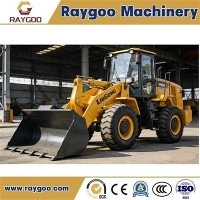
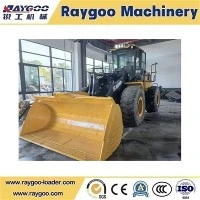
What are the electrical system components of a 20 Ton Wheel Loader?
As a supplier of 20 - ton wheel loaders, I've witnessed firsthand the importance of a well - functioning electrical system in these powerful machines. A 20 - ton wheel loader is a complex piece of equipment, and its electrical system is the nerve center that ensures all components work in harmony. In this blog, I'll delve into the key electrical system components of a 20 - ton wheel loader.
1. Battery
The battery is the heart of the electrical system in a 20 - ton wheel loader. It provides the initial power needed to start the engine. A high - quality battery with sufficient capacity is crucial. Typically, these loaders use large - capacity lead - acid batteries. They can store a significant amount of electrical energy and deliver a high current during engine starting. For example, a common battery for a 20 - ton wheel loader might have a capacity of around 100 - 200 amp - hours and a voltage of 12 or 24 volts.
The battery also powers the electrical accessories when the engine is not running. This includes things like interior lighting, radio, and some control systems. Regular maintenance of the battery, such as checking the electrolyte level (for non - maintenance - free batteries) and keeping the terminals clean, is essential to ensure its long - term performance.
2. Alternator
Once the engine is running, the alternator takes over the task of generating electrical power. It converts mechanical energy from the engine into electrical energy. The alternator charges the battery and supplies power to all the electrical components in the wheel loader.
A 20 - ton wheel loader usually requires a high - output alternator to meet the power demands of various systems. The alternator's output is typically regulated to maintain a stable voltage level, usually around 13.5 - 14.5 volts for a 12 - volt system and 27 - 29 volts for a 24 - volt system. This stable voltage is necessary to prevent damage to sensitive electrical components.
3. Starter Motor
The starter motor is responsible for cranking the engine to start it. When the operator turns the ignition key, an electrical signal is sent to the starter solenoid, which then engages the starter motor. The starter motor uses the electrical energy from the battery to rotate the engine's flywheel until the engine starts running on its own.
Starter motors for 20 - ton wheel loaders are designed to handle high torque requirements. They are built with strong gears and powerful electric motors to ensure reliable engine starting, even in cold weather conditions. Regular inspection of the starter motor, including checking the brushes and the solenoid, can help prevent starting problems.
4. Fuses and Relays
Fuses and relays are important safety and control components in the electrical system. Fuses act as a safeguard against electrical overloads. If there is a short - circuit or an excessive current flow in a particular circuit, the fuse will blow, interrupting the electrical flow and preventing damage to the wiring and other components.
Relays, on the other hand, are used to control high - current circuits with a low - current signal. For example, the starter solenoid is a type of relay that allows the ignition switch to control the high - current flow to the starter motor. Different relays are used throughout the wheel loader to control various functions such as lights, hydraulic pumps, and fans.
5. Wiring Harness
The wiring harness is like the circulatory system of the electrical system. It consists of a bundle of wires that connect all the electrical components in the wheel loader. The wiring harness is carefully designed to ensure proper routing of the wires, protection from mechanical damage, and prevention of electrical interference.


High - quality insulation materials are used in the wiring harness to prevent short - circuits. The wires are color - coded and labeled for easy identification during maintenance and troubleshooting. In a 20 - ton wheel loader, the wiring harness must be able to withstand harsh operating conditions, including vibration, heat, and moisture.
6. Sensors
Modern 20 - ton wheel loaders are equipped with a variety of sensors to monitor different parameters of the machine. These sensors play a crucial role in the operation and safety of the loader.
- Engine Sensors: There are sensors to monitor engine temperature, oil pressure, and fuel level. For example, the engine temperature sensor sends a signal to the dashboard display, alerting the operator if the engine is overheating.
- Hydraulic Sensors: These sensors monitor the pressure and temperature in the hydraulic system. They ensure that the hydraulic system is operating within the safe range and can detect potential problems such as leaks or blockages.
- Position Sensors: Position sensors are used to determine the position of the loader's boom, bucket, and other moving parts. This information is used for precise control of the machine and for safety interlocks.
7. Control Modules
Control modules are the brains of the electrical system. They receive input signals from the sensors and use pre - programmed algorithms to control various functions of the wheel loader.
- Engine Control Module (ECM): The ECM manages the engine's fuel injection, ignition timing, and other engine functions. It ensures optimal engine performance, fuel efficiency, and emissions control.
- Hydraulic Control Module: This module controls the operation of the hydraulic system, including the movement of the boom and bucket. It adjusts the hydraulic pressure and flow based on the operator's input and the feedback from the sensors.
8. Lights and Signals
Lights and signals are essential for the safety and visibility of the 20 - ton wheel loader. They include headlights, taillights, turn signals, and warning lights.
- Headlights: High - intensity headlights are used to provide adequate illumination during night - time operations. They are designed to project a wide and long - range beam of light to help the operator see the working area clearly.
- Taillights and Turn Signals: These are used to indicate the loader's position and its intended direction of movement to other vehicles and personnel on the worksite.
- Warning Lights: Warning lights on the dashboard alert the operator to various problems such as low oil pressure, battery charging issues, or engine malfunctions.
In conclusion, the electrical system of a 20 - ton wheel loader is a complex and vital part of the machine. Each component plays a specific role in ensuring the loader's reliable operation, safety, and performance. As a supplier, we offer high - quality 20 - ton wheel loaders with advanced electrical systems. For example, our Wheel Loader XCMG LW700KN and Wheel Loader XCMG LW600KV are equipped with state - of - the - art electrical components. We also have a 12 Ton Wheel Loader for customers with different requirements.
If you are interested in purchasing a 20 - ton wheel loader or have any questions about our products, please feel free to contact us for a detailed discussion. We are committed to providing you with the best solutions for your construction and mining needs.
References
- SAE International. Handbook on Heavy - Duty Vehicle Electrical Systems.
- Manufacturer's manuals for 20 - ton wheel loaders.