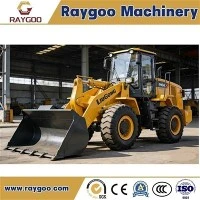
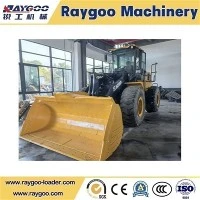
As a used loader supplier, I understand the importance of ensuring the quality and safety of the equipment we offer. One of the critical components to check in a used loader is the suspension system. A well-maintained suspension system not only provides a smooth ride but also contributes to the overall stability and performance of the loader. In this blog post, I'll share some essential steps on how to check the suspension system of a used loader.
Visual Inspection
The first step in checking the suspension system is a thorough visual inspection. Start by looking at the tires. Uneven tire wear can be a sign of suspension problems. For example, if the outer edges of the tires are more worn than the center, it could indicate that the loader's alignment is off, which might be due to issues in the suspension. Check for any signs of damage such as cuts, bulges, or excessive tread wear.
Next, examine the shock absorbers. The shock absorbers are responsible for damping the vibrations and reducing the impact when the loader moves over uneven terrain. Look for any signs of leakage, which is a clear indication that the shock absorbers are failing. Leaking fluid can be seen as wet spots or a film of oil around the shock absorber body. Also, check the shock absorber mounts. If they are loose, cracked, or damaged, it can affect the performance of the shock absorbers and the overall suspension system.
Inspect the springs. Springs play a crucial role in supporting the weight of the loader and maintaining its ride height. Look for any signs of sagging, which can indicate that the springs have lost their elasticity. Also, check for any visible cracks or breaks in the springs. Damaged springs can lead to an uneven ride and increased stress on other suspension components.
Physical Checks
After the visual inspection, it's time to perform some physical checks. One way to check the shock absorbers is the "bounce test." Push down on one corner of the loader and then quickly release it. The loader should bounce back once and then settle. If it bounces multiple times, it's a sign that the shock absorbers are not working correctly. Repeat this test on all four corners of the loader.
Another important physical check is to examine the steering and handling of the loader. Take the loader for a short test drive on a flat and smooth surface. Pay attention to how the loader responds to steering inputs. If the steering feels loose or unresponsive, it could be due to problems in the suspension system, such as worn ball joints or tie rods. Also, notice if the loader pulls to one side when driving straight. This can be a sign of alignment issues or uneven tire pressure, which can be related to the suspension.
Check the play in the suspension components. With the loader safely jacked up and supported on jack stands, grab the wheels at the top and bottom and try to move them back and forth. There should be minimal play. Excessive play can indicate worn bushings, ball joints, or other suspension components. Repeat this check for all four wheels.


Check the Linkages and Bushings
The linkages and bushings in the suspension system are responsible for connecting different components and allowing them to move smoothly. Inspect the linkages for any signs of bending, cracking, or excessive wear. Bent linkages can affect the alignment and performance of the suspension.
Check the bushings, which are made of rubber or polyurethane. Over time, bushings can wear out, crack, or become brittle. Worn bushings can cause excessive play in the suspension, leading to poor handling and increased noise. Look for any signs of damage or deterioration in the bushings. If possible, try to move the linkages gently to feel for any looseness or excessive movement, which could indicate worn bushings.
Consider the Loader's History
When checking the suspension system of a used loader, it's also important to consider the loader's history. Ask the previous owner or seller about the loader's usage. If the loader has been used in harsh conditions, such as heavy construction or mining, the suspension system may have experienced more wear and tear. Also, inquire if there have been any previous repairs or replacements in the suspension system. This information can give you an idea of the overall condition of the suspension.
As a used loader supplier, we offer a wide range of high - quality used loaders, such as the 5ton Loader Zl50g, SEM 656D Wheel Loader, and China Used SDLG 956 Wheel Loader. We ensure that each loader undergoes a comprehensive inspection, including a detailed check of the suspension system, before being offered for sale.
If you're in the market for a used loader and want to ensure that you're getting a reliable machine with a well - maintained suspension system, don't hesitate to contact us. We're here to assist you in finding the right loader for your needs and can provide you with all the necessary information about the suspension and other aspects of the loader.
References
- "Loader Maintenance Manuals" - Various loader manufacturers
- "Automotive Suspension Systems: Theory and Design" - By Donald Crolla