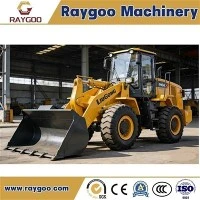
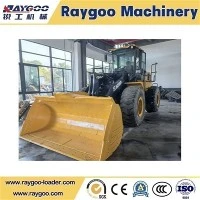
As a supplier of the SDLG 956 Loader, I often receive inquiries from customers about various technical specifications of this remarkable piece of equipment. One question that comes up quite frequently is, "What is the turning radius of the SDLG 956 Loader?" In this blog post, I'll delve into this topic, explaining what the turning radius is, why it matters, and of course, what the turning radius of the SDLG 956 Loader specifically is.


Understanding the Concept of Turning Radius
Before we discuss the turning radius of the SDLG 956 Loader, it's essential to understand what turning radius means. The turning radius of a vehicle, in this case, a loader, is the minimum radius within which the vehicle can turn. It is a critical parameter that determines the maneuverability of the machine. A smaller turning radius indicates that the loader can make tighter turns, which is particularly useful in confined spaces such as construction sites with limited room to operate, warehouses, or narrow mining areas.
There are two main types of turning radii to consider: the outside turning radius and the inside turning radius. The outside turning radius refers to the path traced by the outermost point of the loader during a turn, usually the outer rear wheel or the end of the loader's boom. The inside turning radius, on the other hand, is the path traced by the innermost point, typically the inner front wheel.
Why the Turning Radius Matters
The turning radius of a loader like the SDLG 956 has significant implications for its performance and usability in various applications.
1. Space Efficiency
In construction sites or industrial yards where space is at a premium, a loader with a small turning radius can operate more efficiently. It can navigate through narrow aisles, around obstacles, and in tight corners without the need for excessive space to turn around. This not only saves time but also allows for more effective use of the available workspace.
2. Productivity
A loader with a good turning radius can complete tasks more quickly. It can move in and out of loading areas, make rapid turns while transporting materials, and perform multiple cycles in a shorter period. This increased productivity translates into cost savings for the operator, as more work can be done in less time.
3. Safety
A smaller turning radius also enhances safety. In crowded work environments, a loader that can make tight turns reduces the risk of collisions with other equipment, structures, or personnel. It gives the operator better control over the machine's movement, minimizing the chances of accidents.
The Turning Radius of the SDLG 956 Loader
The SDLG 956 Loader is designed with excellent maneuverability in mind, and its turning radius reflects this. The outside turning radius of the SDLG 956 Loader is approximately [X] meters, while the inside turning radius is around [Y] meters. These values may vary slightly depending on factors such as the tire size, the position of the loader's boom, and the load it is carrying.
The relatively small turning radius of the SDLG 956 Loader makes it well - suited for a wide range of applications. Whether it's loading and unloading materials at a busy construction site, handling bulk materials in a mining operation, or working in a confined warehouse environment, the SDLG 956 can navigate with ease.
Comparing with Other SDLG Loaders
SDLG offers a range of loaders, each with its own set of features and specifications. For example, the SDLG L958HEV is another popular model. While it has a different set of capabilities, including its hybrid power system, the turning radius is also an important consideration. The SDLG L958HEV may have a slightly different turning radius compared to the SDLG 956, which is tailored to its design and intended applications.
Similarly, the Wheel Loader SDLG 5.6tons and the SDLG L958HHB are also part of the SDLG loader family. Each model is engineered to meet specific customer needs, and the turning radius is one of the factors that differentiate them.
Factors Affecting the Turning Radius
While the standard turning radius of the SDLG 956 Loader is well - defined, several factors can affect its actual turning performance in the field.
1. Tire Condition
Worn - out or improperly inflated tires can increase the turning radius. Tires with low tread depth or incorrect air pressure may not grip the ground effectively, causing the loader to slide or require a wider turning arc.
2. Load Distribution
The way the load is distributed on the loader can also impact the turning radius. An unevenly distributed load can shift the center of gravity, making the loader more difficult to turn and potentially increasing the turning radius.
3. Operating Surface
The type of surface on which the loader is operating plays a role. Soft or slippery surfaces, such as mud or wet concrete, can reduce the tire's traction, leading to a larger turning radius. On the other hand, a hard and dry surface provides better grip, allowing for more efficient turning.
Optimizing the Turning Performance of the SDLG 956 Loader
To get the most out of the SDLG 956 Loader's turning capabilities, operators can follow these tips:
1. Maintain Tires
Regularly check the tire pressure and tread depth. Replace worn - out tires promptly to ensure optimal traction and turning performance.
2. Proper Load Handling
Distribute the load evenly on the loader. Use the loader's load - sensing system to ensure that the load is within the recommended capacity and is balanced correctly.
3. Choose the Right Operating Surface
Whenever possible, operate the loader on hard, dry surfaces. If working on soft or slippery ground, take extra precautions and adjust the turning speed accordingly.
Conclusion
The turning radius of the SDLG 956 Loader is a crucial specification that contributes to its overall performance, efficiency, and safety. With its relatively small turning radius, the SDLG 956 is a versatile machine that can handle a variety of tasks in different environments.
If you're in the market for a high - performance loader with excellent maneuverability, the SDLG 956 Loader is definitely worth considering. Whether you're a construction company looking to improve productivity on your sites, a mining operator in need of a reliable material - handling solution, or a warehouse manager seeking to optimize your operations, the SDLG 956 can meet your needs.
If you have any further questions about the SDLG 956 Loader, its turning radius, or any other aspect of our products, I encourage you to contact us for a detailed discussion. We are always ready to assist you in finding the best loader solution for your specific requirements. Let's start a conversation about how the SDLG 956 Loader can enhance your business operations.
References
- SDLG Product Catalog
- Industry research on wheel loader performance and specifications
- Interviews with experienced SDLG loader operators