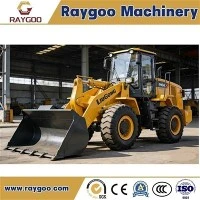
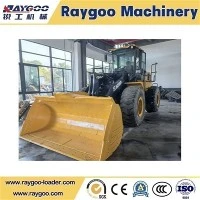
In the realm of construction, landscaping, and various industrial applications, mini front loaders have emerged as indispensable workhorses. These compact yet powerful machines offer versatility and efficiency in tight spaces where larger equipment simply won't fit. One of the key considerations when selecting a mini front loader is its width, which can significantly impact its maneuverability and suitability for specific tasks. As a leading supplier of mini front loaders, I'll delve into the factors that determine the width of these machines and how it relates to their performance.
Understanding the Importance of Width
The width of a mini front loader plays a crucial role in its functionality. A narrower machine can navigate through tight passages, such as doorways, alleys, and confined work areas, with ease. This makes it ideal for indoor construction projects, landscaping in small yards, or any job where space is limited. On the other hand, a wider loader may offer greater stability and carrying capacity, making it better suited for heavy-duty tasks on open terrain.
Factors Affecting the Width of Mini Front Loaders
Several factors contribute to the overall width of a mini front loader. These include:


- Chassis Design: The design of the loader's chassis is a primary determinant of its width. Manufacturers may opt for a wider chassis to provide greater stability, especially when the machine is carrying heavy loads. However, this can also limit its maneuverability in tight spaces.
- Tire Size: The size of the tires used on the loader can also affect its width. Larger tires generally require a wider wheelbase to accommodate them, which in turn increases the overall width of the machine.
- Bucket Width: The width of the loader's bucket is another important factor. A wider bucket can increase the machine's loading capacity, but it also adds to the overall width of the loader.
- Optional Attachments: Many mini front loaders can be equipped with a variety of optional attachments, such as forks, grapples, and snow blades. These attachments can add to the width of the machine, depending on their size and design.
Common Width Ranges for Mini Front Loaders
Mini front loaders come in a variety of widths to suit different applications. Generally, the width of these machines can range from as narrow as 3 feet (0.9 meters) to as wide as 6 feet (1.8 meters) or more. Here's a breakdown of some common width ranges and their typical applications:
- Narrow Width (3 - 4 feet / 0.9 - 1.2 meters): These ultra-compact loaders are designed for use in extremely tight spaces, such as indoor construction sites, small warehouses, and narrow alleys. They offer excellent maneuverability but may have limited carrying capacity.
- Medium Width (4 - 5 feet / 1.2 - 1.5 meters): This is the most common width range for mini front loaders. Machines in this category offer a good balance between maneuverability and carrying capacity, making them suitable for a wide range of applications, including landscaping, general construction, and material handling.
- Wide Width (5 - 6 feet / 1.5 - 1.8 meters or more): These wider loaders are typically used for heavy-duty tasks on open terrain, such as large-scale construction projects, mining operations, and agricultural applications. They offer greater stability and carrying capacity but may be less maneuverable in tight spaces.
Choosing the Right Width for Your Needs
When selecting a mini front loader, it's important to consider the specific requirements of your project. Here are some factors to keep in mind:
- Job Site Conditions: Assess the size and layout of your job site to determine the maximum width of the loader that can safely navigate through the area. If you're working in a confined space, a narrower machine may be necessary.
- Task Requirements: Consider the type of tasks you'll be performing with the loader. If you need to carry heavy loads or use wide attachments, a wider machine may be more suitable.
- Maneuverability vs. Capacity: Strike a balance between maneuverability and carrying capacity based on your project needs. A narrower loader may be more maneuverable but may have limited capacity, while a wider loader may offer greater capacity but may be less agile.
Our Mini Front Loader Offerings
As a supplier of high-quality mini front loaders, we offer a range of models with varying widths to meet the diverse needs of our customers. Here are some of our popular options:
- 1.8 Ton Wheel Loader: This compact loader has a width of approximately 4 feet (1.2 meters), making it ideal for use in tight spaces. It offers excellent maneuverability and a respectable carrying capacity, making it suitable for a variety of light to medium-duty tasks.
- Small Wheel Loader 2tons: With a width of around 4.5 feet (1.4 meters), this loader strikes a good balance between maneuverability and capacity. It's perfect for landscaping, construction, and material handling applications where a bit more power is required.
- 2.5 Ton Wheel Loader: This wider loader has a width of approximately 5 feet (1.5 meters) and offers increased stability and carrying capacity. It's well-suited for heavy-duty tasks on open terrain, such as large-scale construction projects and mining operations.
Conclusion
The width of a mini front loader is a critical factor to consider when choosing the right machine for your project. By understanding the factors that affect width and the common width ranges available, you can make an informed decision that meets your specific needs. As a trusted supplier of mini front loaders, we're committed to providing our customers with high-quality machines that offer the perfect balance of maneuverability, capacity, and performance. If you're in the market for a mini front loader, we invite you to contact us to discuss your requirements and explore our range of products. Our team of experts will be happy to assist you in finding the ideal loader for your project.
References
- Construction Equipment Guide. (Year). Mini Front Loaders: A Buyer's Guide.
- Machinery Outlook. (Year). Understanding the Dimensions of Mini Front Loaders.