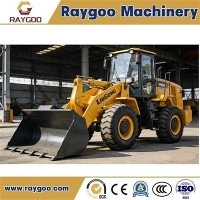
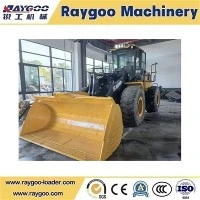
As a supplier of large wheel loaders, I am often asked about the various components and systems that make these powerful machines efficient and comfortable to operate. One such crucial system is the cabin ventilation system. In this blog, I will delve into the details of cabin ventilation systems in large wheel loaders, explaining their importance, types, and how they contribute to the overall performance and user experience.
Importance of Cabin Ventilation Systems
The cabin of a large wheel loader is the operator's workspace, and a well - functioning ventilation system is essential for several reasons. Firstly, it helps to maintain a comfortable temperature inside the cabin. Large wheel loaders are often used in harsh environments, where temperatures can be extremely high or low. A proper ventilation system can regulate the temperature, ensuring that the operator does not get too hot or cold during long working hours.
Secondly, ventilation systems play a vital role in removing pollutants and contaminants from the cabin. When the loader is operating, it generates dust, fumes, and other harmful particles. These can be detrimental to the operator's health if inhaled over an extended period. The ventilation system filters the air, removing these harmful substances and providing the operator with clean, fresh air to breathe.
Finally, a good ventilation system can enhance the operator's concentration and productivity. A comfortable and clean working environment reduces fatigue and stress, allowing the operator to focus better on the task at hand. This, in turn, leads to improved efficiency and fewer errors.
Types of Cabin Ventilation Systems
There are several types of cabin ventilation systems used in large wheel loaders, each with its own advantages and applications.
Natural Ventilation
Natural ventilation is the simplest form of ventilation. It relies on the natural movement of air through openings in the cabin, such as windows and vents. This type of ventilation is cost - effective and requires no additional power source. However, it is highly dependent on external weather conditions and may not be sufficient in extreme temperatures or when there is a high concentration of pollutants.
Forced Ventilation
Forced ventilation systems use fans to circulate air inside the cabin. These fans can be powered by the loader's electrical system. Forced ventilation provides a more consistent airflow compared to natural ventilation, regardless of external conditions. It can be adjusted to meet the specific needs of the operator, allowing for better control over the cabin environment.
Air - Conditioning Ventilation
Air - conditioning ventilation systems are the most advanced type of ventilation used in large wheel loaders. These systems not only circulate air but also cool or heat it to maintain a comfortable temperature inside the cabin. They are equipped with high - efficiency filters to remove dust, pollen, and other contaminants from the air. Air - conditioning ventilation systems are ideal for use in extreme weather conditions, as they can provide a stable and comfortable working environment year - round.
Components of a Cabin Ventilation System
A typical cabin ventilation system in a large wheel loader consists of several key components.
Air Inlets
Air inlets are the openings through which fresh air enters the cabin. They are usually located on the exterior of the cabin and are designed to prevent large particles, such as leaves and debris, from entering the system. Some air inlets are equipped with pre - filters to remove larger contaminants before the air reaches the main filter.
Filters
Filters are an essential part of the ventilation system. They remove dust, dirt, pollen, and other harmful particles from the air. There are different types of filters available, with varying levels of filtration efficiency. High - efficiency particulate air (HEPA) filters are often used in large wheel loaders to provide the highest level of air purification.
Fans
Fans are responsible for circulating the air inside the cabin. They can be axial fans or centrifugal fans, depending on the design of the ventilation system. Axial fans are typically used for providing a large volume of air at a relatively low pressure, while centrifugal fans are used when a higher pressure is required.
Ducts
Ducts are the channels through which the air flows inside the cabin. They are designed to distribute the air evenly throughout the cabin, ensuring that all areas receive a sufficient supply of fresh air. Ducts are usually made of plastic or metal and are insulated to reduce noise and heat transfer.
Air Outlets
Air outlets are the openings through which the stale air exits the cabin. They are usually located on the opposite side of the cabin from the air inlets to ensure proper air circulation. Some air outlets are adjustable, allowing the operator to control the direction and volume of the air flow.
Our Large Wheel Loader Models and Their Ventilation Systems
At our company, we offer a range of large wheel loaders, each equipped with a state - of - the - art cabin ventilation system. For example, our 12 Ton Wheel Loader features an advanced air - conditioning ventilation system. This system is designed to provide a comfortable and clean working environment, even in the most challenging conditions. It has a high - efficiency filter that can remove up to 99% of dust and other contaminants from the air.
Another popular model is the Wheel Loader XCMG LW600FV. This loader is equipped with a forced ventilation system that uses a powerful fan to circulate air inside the cabin. The system can be adjusted to meet the operator's specific needs, providing a customizable and comfortable working environment.


Our Wheel Loader XCMG LW700KN also comes with a top - notch ventilation system. It combines natural ventilation with forced ventilation to provide a balanced airflow. The air inlets are strategically located to ensure maximum air intake, while the ducts are designed to distribute the air evenly throughout the cabin.
Conclusion
In conclusion, the cabin ventilation system is a crucial component of a large wheel loader. It not only provides a comfortable and clean working environment for the operator but also contributes to the overall performance and efficiency of the machine. At our company, we understand the importance of a good ventilation system, and we are committed to providing our customers with large wheel loaders that are equipped with the best ventilation technology available.
If you are in the market for a large wheel loader and are interested in learning more about our products and their ventilation systems, we encourage you to contact us for a purchase negotiation. We have a team of experts who can answer all your questions and help you choose the right wheel loader for your specific needs.
References
- SAE International. "Ventilation and Air - Conditioning in Heavy Equipment Cabins."
- ISO Standards. "Standards for Air Quality in Vehicle Cabins."
- Manufacturer's Manuals for Large Wheel Loaders.