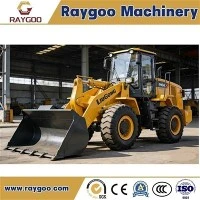
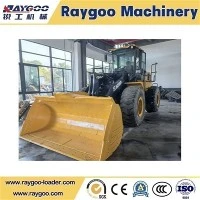
When it comes to mini front loaders, one of the first decisions you'll face is whether to go for a wheeled or a tracked model. As a mini front loader supplier, I've had my fair share of customers scratching their heads over this choice. So, let's break down the differences between these two types of mini front loaders to help you make an informed decision.


Mobility and Maneuverability
Wheeled mini front loaders are like the sports cars of the loader world. They're super agile and can zip around job sites with ease. Thanks to their wheels, they have a tight turning radius, which means you can navigate through narrow spaces without breaking a sweat. Whether you're working in a small construction site, a landscaping project, or a warehouse, a wheeled loader can get in and out of tight spots quickly.
For example, if you're using a LG920F Wheel Loader, you'll be impressed by how easily it can turn on a dime. This makes it ideal for tasks that require a lot of back - and - forth movement, like loading and unloading materials in a confined area.
On the other hand, tracked mini front loaders are more like the tanks. They're not as quick to turn as wheeled loaders, but they offer better stability on uneven terrain. The tracks distribute the weight of the loader more evenly, which allows it to move smoothly over rough, muddy, or soft ground. If you're working on a construction site with a lot of debris, or in a forest where the ground is uneven, a tracked loader is going to be your best bet.
Speed and Productivity
When it comes to speed, wheeled mini front loaders win hands down. They can travel at higher speeds on flat surfaces, which means you can cover more ground in less time. If you have a job that requires you to move materials over a long distance on a relatively smooth surface, a wheeled loader will get the job done faster.
Take the Wheel Loader XCMG LW200kv, for instance. It can zip along at a decent pace, allowing you to transport materials from one end of the site to the other in no time. This increased speed can lead to higher productivity, especially on large - scale projects.
However, speed isn't everything. Tracked loaders may be slower, but they make up for it in terms of their digging and lifting capabilities. The tracks provide better traction, which means they can handle heavier loads and dig deeper into the ground. If your job involves a lot of heavy - duty digging and lifting, a tracked loader might be more productive in the long run.
Terrain Adaptability
Wheeled mini front loaders are best suited for hard, flat surfaces. They perform great on concrete, asphalt, and paved roads. You can use them in urban construction projects, road maintenance, or even in large parking lots. But put them on soft or uneven ground, and they might start to struggle. The wheels can sink into the mud, and the loader may lose traction, making it difficult to operate.
In contrast, tracked mini front loaders can handle a wide variety of terrains. Whether it's mud, snow, sand, or rocky ground, they can move forward with relative ease. The tracks act like a larger footprint, spreading the weight and preventing the loader from getting stuck. So, if your job takes you to different types of environments, a tracked loader is more versatile. For example, if you're a contractor who works on both rural and urban projects, the Wheel Loader XCMG LW150FM might be a good option as it can adapt to different terrains.
Maintenance and Durability
Maintenance is an important factor to consider when choosing a mini front loader. Wheeled loaders generally have a simpler design when it comes to the undercarriage. The wheels are easier to replace and maintain compared to the tracks on a tracked loader. You don't have to worry about track tension, alignment, or wear and tear as much as you do with a tracked loader.
However, the tires on wheeled loaders are more prone to punctures and damage, especially if you're working in an environment with sharp objects. You may find yourself having to replace tires more frequently, which can add to the cost of ownership.
Tracked loaders, on the other hand, have a more complex undercarriage system. The tracks require regular maintenance, including checking the tension, lubricating the joints, and inspecting for any signs of wear. But if maintained properly, the tracks can last a long time. They're also more durable in harsh environments, as they're less likely to get damaged by rocks or debris.
Cost
The initial cost of a wheeled mini front loader is usually lower than that of a tracked loader. This makes them a more budget - friendly option for small businesses or contractors who are just starting out. However, you need to factor in the cost of tire replacement and maintenance over time.
Tracked loaders are more expensive upfront, but they can offer better value in the long run, especially if you're working in challenging terrains. The increased productivity and durability can offset the higher initial cost.
Making the Decision
So, which one should you choose? Well, it depends on your specific needs. If you're working on flat, hard surfaces and need a loader that's fast and agile, a wheeled mini front loader is the way to go. But if you're dealing with rough, uneven terrain and need a loader that can handle heavy - duty tasks, a tracked mini front loader is a better choice.
As a mini front loader supplier, I'm here to help you make the right decision. If you're still not sure which type of loader is best for your project, feel free to reach out to me. We can discuss your requirements in detail and find the perfect mini front loader for you. Whether it's a wheeled or a tracked model, we have a wide range of options to suit your needs and budget.
If you're interested in purchasing a mini front loader, don't hesitate to contact us. We can provide you with more information, pricing, and even arrange a demonstration. Let's work together to find the best solution for your business.
References
- Construction Equipment Handbook
- Mini Front Loader Manufacturer's Manuals